




A pair of headphones can do almost nothing to a train engine, and yet when noise cancelling works properly, the engine seems to leave the room. That illusion is harder to pull off than it sounds. It takes microphones that listen to the world, a processor that predicts what the world will do next, and drivers that produce an opposing signal fast enough that your ear never registers the original. Sony has been refining that chain for close to a decade in its WH-1000XM line, and the useful question is not whether these headphones are good. It’s why rivals with deep pockets and loyal customers keep chasing a target Sony set years ago.
The answer is less about any single specification than about how the pieces are tuned together. Active noise cancelling is an engineering problem with a long tail of small failures: wind hiss, a low rumble that leaks through, a faint pressure sensation, a cancelling effect that works on an airplane but falls apart on a busy sidewalk. Sony’s advantage has been closing those gaps one by one, generation after generation, until the headphones stopped feeling like a gadget and started feeling like a quiet room you can wear.

A Template Built Through Iteration
The WH-1000XM naming scheme dates back to Sony’s earlier 1000X models, and the formula has stayed consistent. Each new generation keeps the same core idea: microphones on the outside and inside of each ear cup measure ambient sound, a dedicated chip calculates the inverse waveform, and the driver plays it back alongside your music. What changes is the quality of each step. Better microphones hear more. Faster processing reacts to sudden sounds with less delay. Improved driver tuning keeps the cancelling signal from muddying the music itself.
That slow, deliberate refinement matters because noise cancelling is not a feature you can verify from a spec sheet. A buyer cannot easily tell the difference between eight microphones and twelve in a store, but they can tell on a commuter train whether the low drone of the engine is gone or merely softened. Sony has treated that real-world experience as the product. The latest model, the WH-1000XM6, adds a newer processor and more microphones, and the pitch is the same one the line has always made: less of the world getting through, with fewer audible side effects.
There is also a software layer that quietly does a great deal of work. Sony’s companion app lets the headphones adjust cancelling to your surroundings, tweak the equalizer, and switch behavior depending on whether you are walking, sitting, or traveling. Plenty of brands offer an app, but few make it feel like part of the product rather than an afterthought. That polish shows up in small decisions, such as a mode that lets voices through when you want to hear an announcement without taking the headphones off.
Comfort Is the Other Half of Cancelling
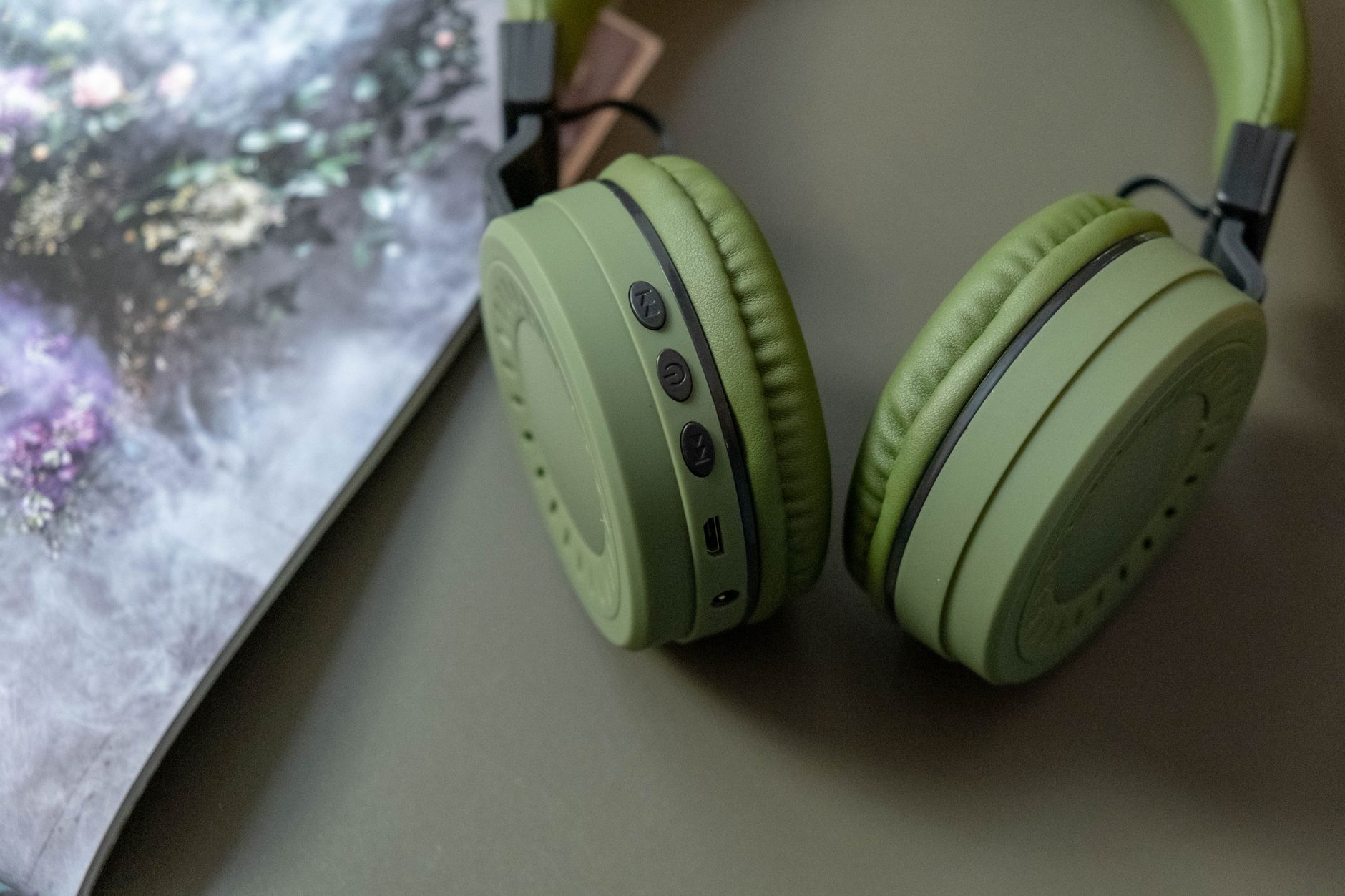
Noise cancelling only works if you actually keep the headphones on for hours, and that is where weight and clamping force decide everything. The XM line has leaned toward a light build and soft ear pads that spread pressure without squeezing the head. Plastic construction is an easy criticism, and it does make the headphones feel less premium than some metal-framed alternatives. It also keeps them light enough to forget on a long flight.
Passive isolation matters too. A good seal does a lot of the work before any electronics switch on.
Where Rivals Close the Gap, and Where They Don’t
The competition is real. Bose has spent decades on noise cancelling and its QuietComfort Ultra headphones are strong at the same job, with a reputation for exceptionally comfortable fit and very effective low-frequency cancelling. Apple’s AirPods Max offers tight integration with iPhones, Macs, and the rest of the Apple ecosystem, which is a genuine advantage for people who live inside it. Neither is a pushover. Where Sony tends to pull ahead is in the breadth of the package: cancelling performance, sound customization, battery life, and a feature list that doesn’t require buying into a single brand’s phones and laptops.
Codec support is a good example. Sony supports its high-resolution LDAC codec, which matters to anyone streaming lossless-leaning audio to an Android phone, while Apple’s headphones are built around its own wireless ecosystem. Multipoint connection, which lets the headphones stay paired with a phone and a laptop at once, has become a daily convenience rather than a novelty, and Sony has made it a standard part of the line. These are not glamorous details. They are the kind of thing a buyer notices in the second week of ownership, when the initial excitement has worn off and the headphones have to fit a real routine.
Sony’s design choices have not always been popular. When the WH-1000XM5 arrived, it dropped the folding hinge of earlier models in favor of a sleeker look, and the bulkier case that resulted drew plenty of complaints from frequent travelers. The company’s response with the XM6, which brings back a folding design, is telling. Sony listens to what people dislike and fixes it in the next cycle, a habit that sounds simple but is rarer than it should be in a market where many companies treat each launch as a reset button.

That feedback loop is the real moat. A competitor can match noise cancelling on a given day, and some do, but matching a product line that has spent years sanding off its own rough edges is a different task. Price is the one place the argument gets complicated: the XM6 launched at $449, and a premium that high leaves room for older Sony models, which often drop in price after a new release, to quietly become the better deal.