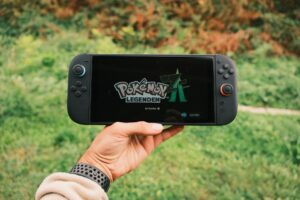




A console sells once. A controller, a memory card, a camera and a carrying case sell again and again, often to the same household, and often months after the launch-day rush has faded. Nintendo’s Switch 2 arrived at $449.99 in the US, and the console itself drew most of the attention. The more interesting story may be the shelf of add-ons sitting beside it.
Nintendo has always sold extras. What has changed is how many of them the Switch 2 either requires or makes tempting, and how neatly they fit the way people actually play.
Why Accessories Behave Differently From Consoles
Hardware makers usually treat the console as the entry fee, and the economics explain why. A new console carries heavy engineering costs, and its price has to stay low enough to persuade millions of people to buy in. An accessory has none of that pressure. A controller is a smaller bundle of plastic, sensors and a battery, with a far simpler supply chain. It can carry a healthier margin than the machine it plugs into, and nobody expects it to be sold near cost.
The second advantage is repetition. A household buys one console but may need several controllers, a spare charging solution, extra storage and protection for a device that spends its life in backpacks. Each of those purchases is a separate decision made at a different moment. That spreads revenue across the console’s whole lifespan instead of concentrating it in a launch window.
The Storage Tax and the Controller Math
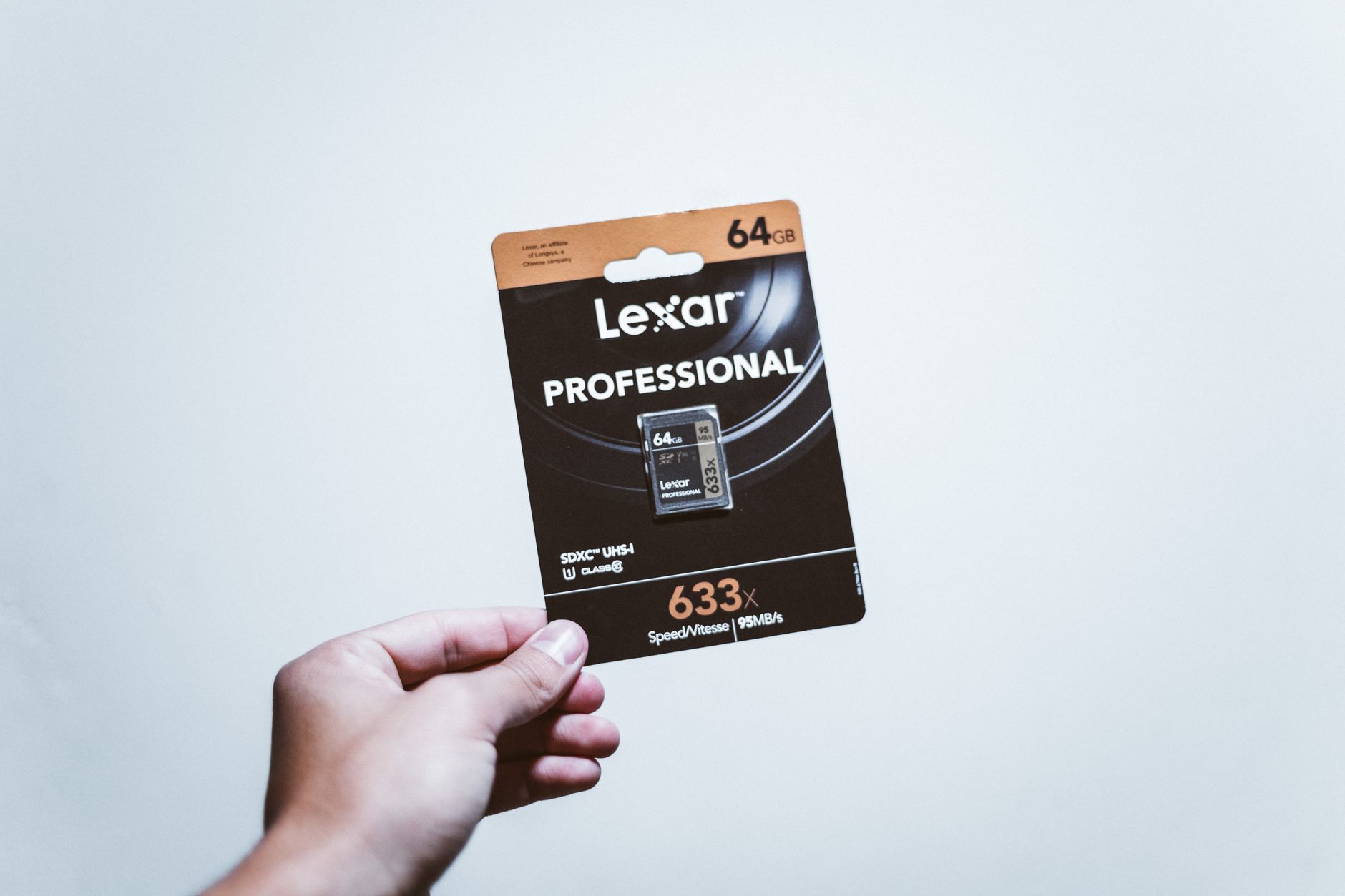
The clearest example is storage. The Switch 2 uses microSD Express cards for expansion, and the older microSD cards many Switch owners have in a drawer will not run Switch 2 games. That is a technical requirement, but it works commercially like a toll. Anyone who plans to download a library, not just play a few cartridges, ends up shopping for a card in a newer and pricier format.
The pressure to buy storage is built into modern game distribution. Large downloads fill internal memory quickly, and the Game-Key Card approach, where a physical card acts as a license while the game data is downloaded, means even some boxed purchases consume space on the device. Players who buy a mix of digital and physical releases hit the ceiling sooner than they expect. The memory card stops being optional once the third or fourth big game arrives.
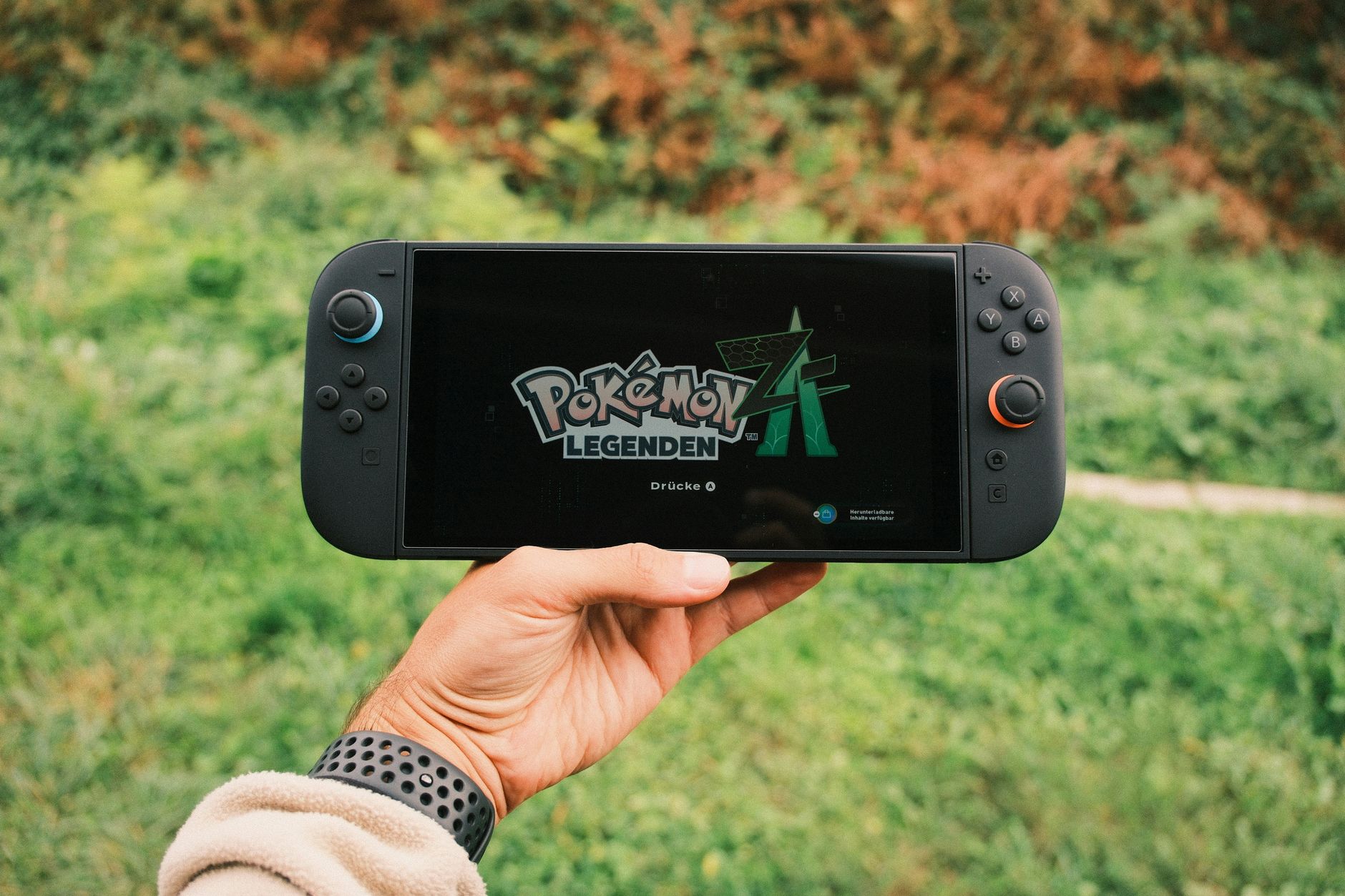
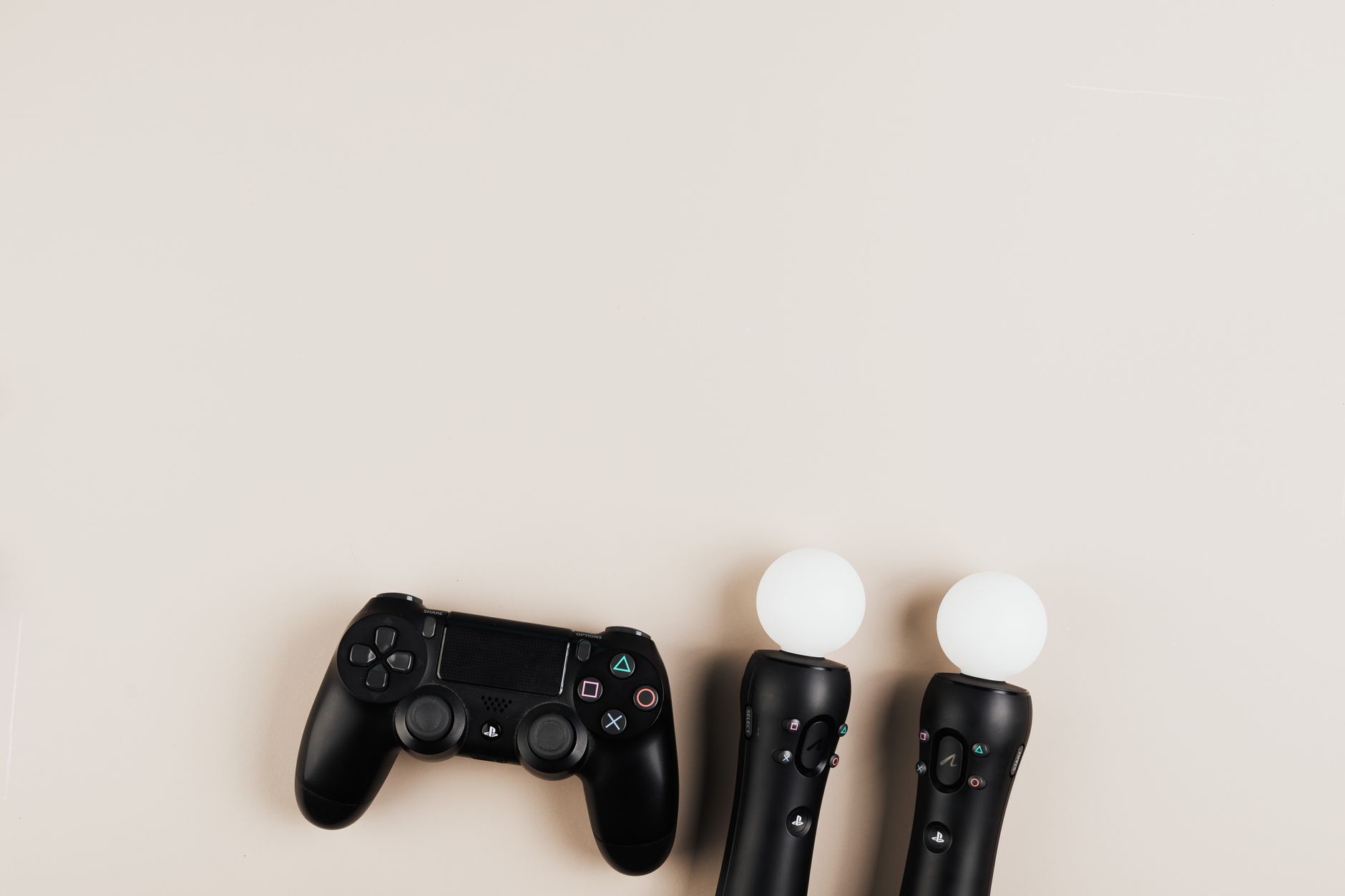
Controllers follow different logic, based on social play. The Joy-Con 2 pair attaches magnetically and doubles as two separate controllers, which makes spontaneous multiplayer easy. Easy multiplayer creates demand for more pairs, and the Pro Controller covers people who spend long sessions docked at a TV and want something closer to a traditional gamepad. Add the Joy-Con 2’s mouse-style sensing, which opens up a different kind of control in supported games, and the controller becomes a feature set as much as an input device.
Third-party makers have traditionally undercut first-party pricing, and some will again. But the Switch 2’s controller hardware includes features that are difficult to copy fully, and compatibility is never guaranteed. A cheaper pad that lacks the magnetic attachment or the sensor behavior can feel like a compromise. Nintendo benefits from that gap, because buyers who want the complete experience tend to default to the official option.
The Camera and the Software Pull
The Switch 2 Camera shows a different side of the strategy. It is a USB-C accessory tied to the console’s GameChat feature, which puts voice and video chat inside the platform itself. Hardware that unlocks a social feature is a smart sell, because the feature advertises the product. A friend who appears on screen with a camera feed makes the others wonder why they do not have one.
Nintendo has a long record of using peripherals to carry software ideas, from motion-tracking fitness games to cardboard construction kits. Some of those experiments became enormous hits and others faded quickly, which is the risk of the model. A camera is a lower-stakes bet than a full fitness system, but it follows the same instinct: give players a physical object that makes a software idea feel concrete, and a share of them will pay for it.
Cases, Docks and the Squeeze on Third Parties
The least glamorous category may be the steadiest. A handheld that travels needs a case, a screen protector and a charging option, and it needs them on day one, before a scratch teaches the lesson. Docks add another layer. A household that wants the console in two rooms, or wants a spare for a vacation home, ends up buying a dock set in addition to everything else. None of this is exciting, but it is predictable demand.
This is also where third parties compete hardest. Case makers, charger brands and memory card manufacturers all chase the same buyers, and Nintendo’s licensing approach decides how much room they get. Licensed products carry an official look and some assurance of compatibility. Unlicensed ones compete on price and take the risk that a firmware update changes the rules. The mix on store shelves tends to show who is winning that contest.
The tension is that every added requirement risks a perception problem. Buyers who accept the console price may balk at feeling charged again for storage, a second controller and a case, and the resentment can show up in reviews and forums even as the sales numbers hold. A family of four that wants everyone playing together on day one faces a bill that can climb well past the console’s sticker price.