




Why would anyone spend tablet money on a device that cannot stream a show, run a game, or ping them with a single notification? The question has followed E-Ink writing tablets since they first appeared, and the answer gets clearer as more people try one. The reMarkable, the Kindle Scribe, the Kobo Elipsa and a growing crowd of Boox and Supernote models have turned a strange idea into a real product category.
The pitch is subtraction.
These devices use electrophoretic displays, the same basic technology found in e-readers. The screen holds an image without drawing power, so the battery only works when the page changes. Add a stylus and software built around handwriting, and you get something closer to a digital notebook than a tablet. It does not try to replace a laptop or a phone. It tries to replace the legal pad, the stack of printed PDFs and the sticky notes migrating across a desk.
Why Paper-Like Screens Appeal to Heavy Note-Takers
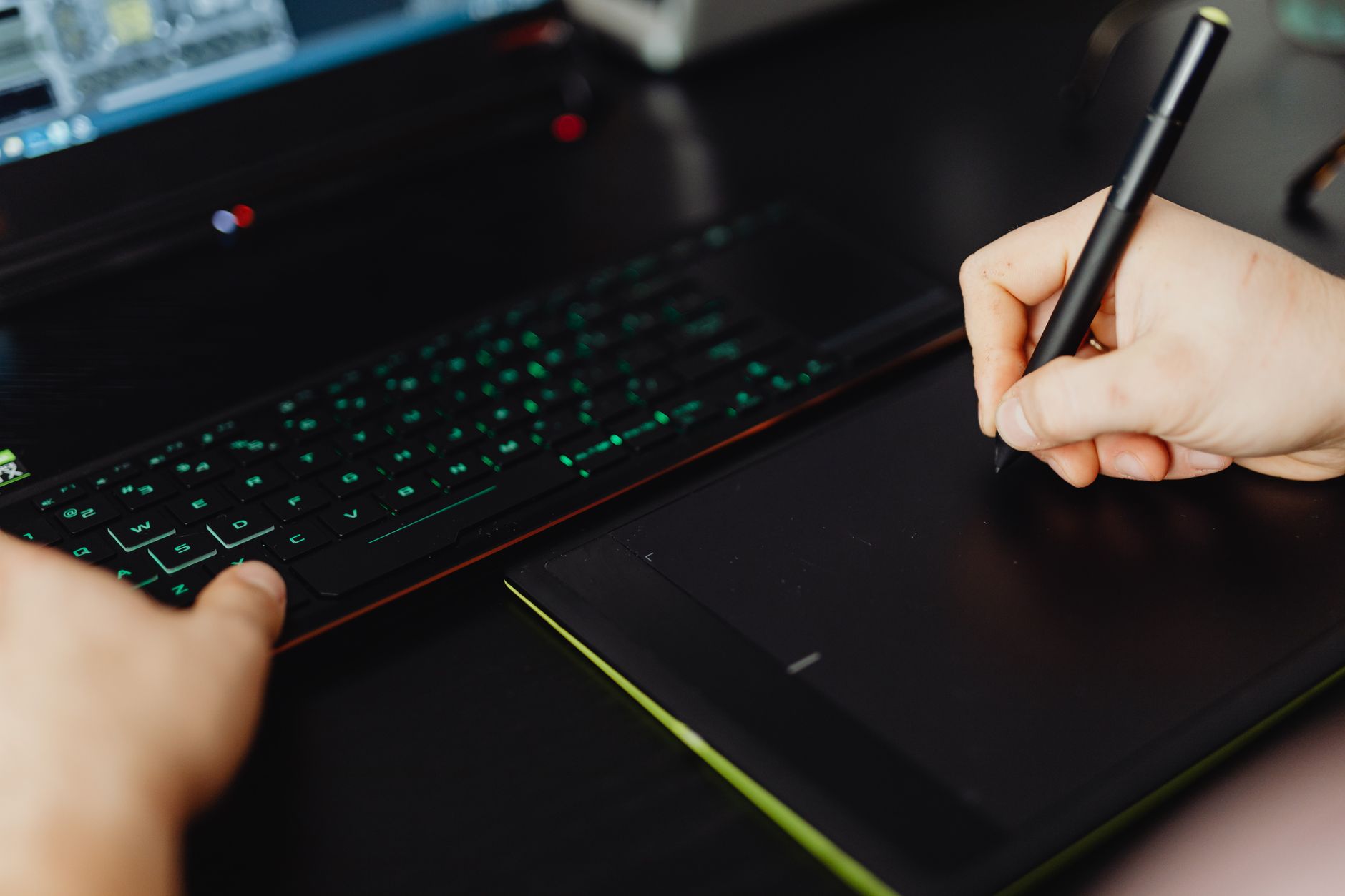
The first thing most new owners notice is the writing feel. The display has a slightly textured surface, and the pen tip meets it with a small amount of friction, much closer to graphite on paper than to a fingertip skating across glass. On the reMarkable, the Marker pen needs no charging, which removes one of those small chores that make a stylus feel like another gadget to manage. The matte screen also stays readable in bright light, where a glossy tablet turns into a mirror. For anyone who annotates contracts, drafts outlines by hand or sketches diagrams in meetings, those details matter more than a spec sheet suggests.
The second appeal is what the device refuses to do. A conventional tablet with an app store is a constant negotiation: you sit down to write and end up answering a message, checking a headline or switching to something that looks more urgent. An E-Ink tablet closes most of those doors by design, since there is no browser worth opening and no feed to scroll. That restriction can sound like a gimmick, but it works like a locked cupboard. The friction is the feature, and the people who buy these devices tend to be the ones who already know their own habits.
Battery life rounds out the case. Because the screen only draws power when it changes, a charge can last days or even weeks of normal use, depending on the model and settings. Many of these tablets can also convert handwriting to typed text, which turns a page of scrawl into something searchable and shareable.
The Limits and the Price of Doing One Thing
The trade-offs are real, and they show up quickly. E-Ink refreshes more slowly than an LCD or OLED panel, so scrolling a long document can feel sluggish and anything animated is out of the question. Most screens are still grayscale, and the color versions, including the newer reMarkable Paper Pro, produce muted tones that suit highlighting and diagrams better than photos or charts with fine gradients. Software is the other pressure point. The reMarkable keeps its system tightly controlled, which protects the focused experience but limits what it can do, and some cloud features sit behind a paid subscription. Boox takes the opposite route with Android-based tablets that can install almost any app. That flexibility is useful, but it also reintroduces the distractions that made the category attractive in the first place.
Then there is the price. These devices often cost as much as a capable mainstream tablet, and the pen or a folio cover can add to the bill depending on the model. Imagine a consultant who marks up long reports every week, or a student who drowns in lecture PDFs. For them the cost is easy to justify, because the device replaces a printer, a pile of paper and a lot of wasted time. For someone who only wants to jot a grocery list, it is an expensive way to avoid a notepad.
The bigger players are watching. Amazon has pushed into the space with the Kindle Scribe, and conventional tablet makers sell matte screen films that mimic paper texture. Neither move erases the appeal of a device that cannot do anything else. A multipurpose tablet will always be one tap away from distraction, and a dedicated slate will not. That difference keeps the niche alive, even if it never becomes a mass market.

A Device Built to Be Put Down
The most revealing thing about an E-Ink tablet is that it has no interest in your attention: no badge, no buzz, no reason to pick it up unless you have something to write. Every other gadget on the desk is designed to pull you back in, and this one waits in the drawer for days, with the battery barely dented.