



Sega has gone quiet on the Yakuza front, and the silence is doing something unexpected: it’s pushing fans straight back into Like a Dragon and the classic Yakuza titles, replaying stories they’ve already finished while waiting for any word on what comes next.
A Franchise on Pause With No Explanation
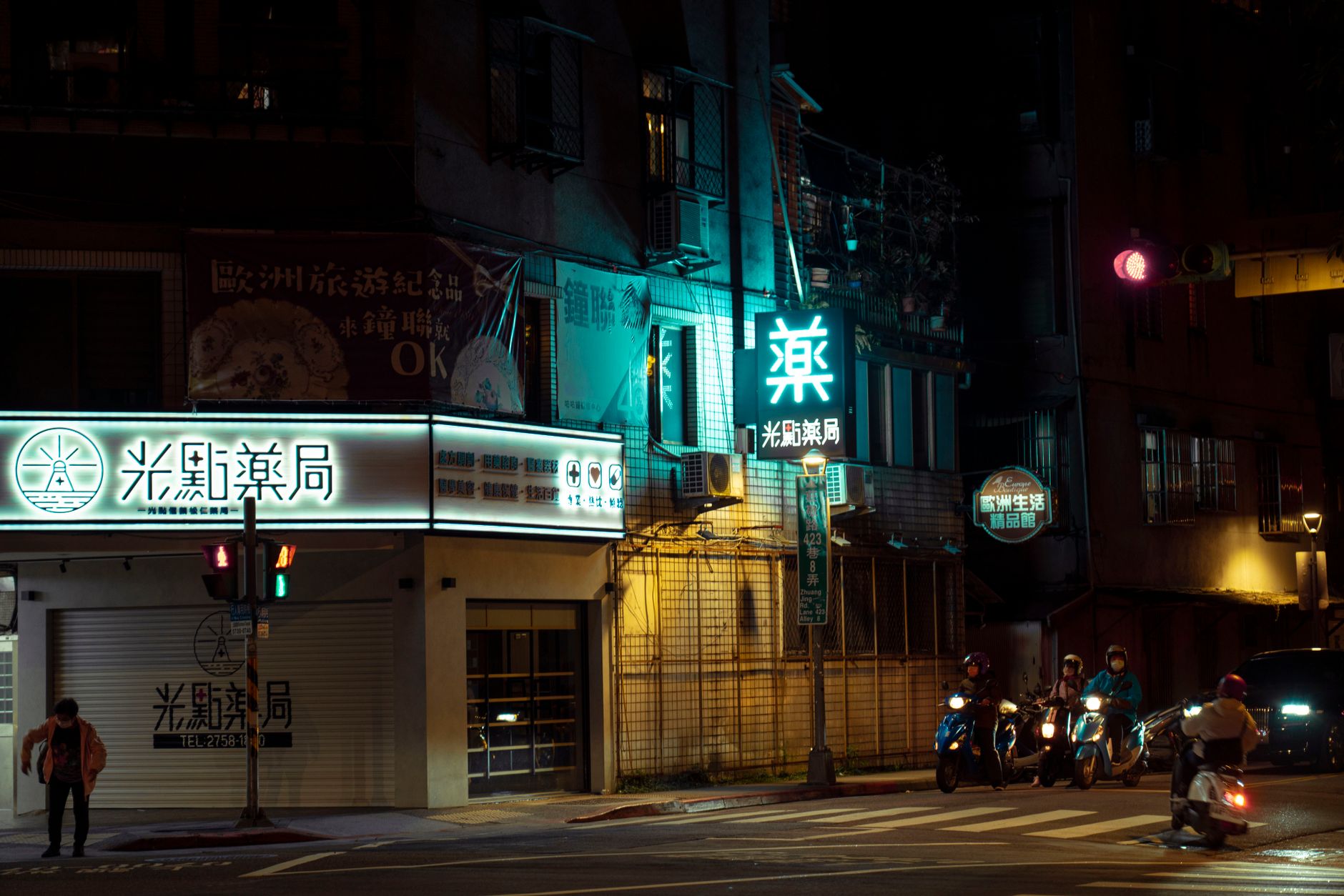
The Like a Dragon series – rebranded from the original Yakuza name starting with Ishin!‘s Western release and the full pivot with Like a Dragon: Ishin! – has been one of Sega’s most consistent output machines over the past several years. From Yakuza 0 pulling in massive new Western audiences to Like a Dragon: Infinite Wealth releasing in early 2024 to strong reviews and solid sales, the momentum felt unstoppable. Then, almost nothing. No major announcements. No roadmap. No teaser. Just the sound of an empty Kamurocho street at 3 a.m.
Fans tracking Sega’s official channels have noticed that the cadence of content – updates, spin-off reveals, DLC drops, surprise ports – has dropped off significantly since Infinite Wealth wrapped up its post-launch cycle. For a series that once seemed to release something new almost every calendar year, the quiet feels conspicuous. Community threads across Reddit, ResetEra, and dedicated Discord servers are filling with the same question: what exactly is Sega building?
Part of what makes the silence so loud is how much Infinite Wealth left on the table narratively. The game ended in a way that clearly signals continuation, with character arcs pointed in directions that feel deliberately unresolved. Ichiban Kasuga’s story has room to grow. Kiryu’s health situation, handled with unusual emotional weight for an action game, was never fully closed off. Sega planted seeds and then walked away from the garden without saying when they’d be back.
There’s also a spin-off dimension to consider. The Judgment series – featuring detective Takayuki Yagami – went dormant after Lost Judgment in 2021, and despite positive reception, no third entry has been announced. Ryu Ga Gotoku Studio has stayed focused on the mainline Dragon series, but even that pipeline has gone dark. The studio isn’t known for lengthy development cycles, which makes the current gap feel longer than it probably is – but perception matters to an active fanbase.
Why Fans Are Running the Games Again Instead of Waiting
When a beloved franchise goes quiet, the fanbase doesn’t simply wait. It revisits. Across streaming platforms and content communities, there’s been a noticeable uptick in people starting fresh playthroughs of Yakuza 0, Kiwami, and the HD remasters, often framing it as “catching up” before the next announcement drops. The logic is circular but emotionally satisfying: if something new is coming, it’s worth being refreshed. And if nothing is coming soon, at least the time is spent with a game you love.
This behavior pattern – fans cycling back into existing entries during franchise downtime – isn’t unique to Like a Dragon. Bethesda’s extended silence on Starfield DLC pushed a similar wave of players back into Oblivion, suggesting that publisher quiet periods have a consistent and predictable effect on how existing libraries get consumed. Sega is inadvertently benefiting from the same dynamic.
The Like a Dragon back catalog is particularly well-suited for this kind of return. The games are long, dense with side content, and reward replays with details that only land once you know how the broader story unfolds. Substories that seemed throwaway on a first run carry more weight when you know where characters end up. Yakuza 0‘s dual-protagonist structure – widely regarded as the best entry point in the series – holds up as a standalone experience regardless of what comes next, which makes it a natural anchor for lapsed players looking for a reason to return.
Streaming and content creation are amplifying the cycle. When a prominent streamer starts a Yakuza 0 playthrough during a slow news period, it introduces the series to entirely new audiences who may never have touched the games. Those viewers, converted into players, then become fans waiting for the next entry – adding new voices to the crowd already asking what Sega is planning. The franchise grows its audience during its own silence, which is an unusual kind of luck that not every publisher gets to enjoy.
There’s also the Gaiden factor. Like a Dragon Gaiden: The Man Who Erased His Name released in late 2023 as a shorter, more focused chapter designed to bridge narratives. Some fans skipped it, treating it as optional content. The current quiet period has given those players reason to go back and fill that gap, meaning the franchise’s library is being actively consumed across multiple entry points simultaneously. Sega’s catalog is working harder right now than it has in years, entirely because of an absence of new information.
What Sega Actually Owes the Fanbase – and What It Doesn’t
There’s a reasonable argument that Sega owes its audience nothing beyond the games it has already delivered. Infinite Wealth was a substantial, well-crafted release by any measure – over 50 hours for a main story playthrough, with a side content volume that could triple that number. Ryu Ga Gotoku Studio earned the right to take time. Rushing a follow-up to meet fan demand is exactly how beloved series lose the quality that made them beloved in the first place. The silence might simply be discipline.

But discipline and communication aren’t mutually exclusive. A brief acknowledgment – even a vague “we’re working on something” – can be the difference between a fanbase that feels respected and one that feels ignored. Sega’s marketing approach for this franchise has historically leaned on surprise announcements and direct reveals, skipping the slow drip of teasers that other publishers use to maintain visibility. That strategy works brilliantly when a reveal lands. Between reveals, it leaves a vacuum that the internet fills with speculation, frustration, and occasionally, a fresh Yakuza 0 playthrough at midnight on a Tuesday.