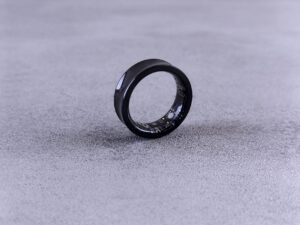




A fitness watch is a small computer strapped to your wrist, and it behaves like one. It wants charging, it wants attention, and it lights up whenever a message arrives. A smart ring does the opposite. It has no screen to glance at, no notifications to dismiss, and a battery that typically lasts days rather than hours. For a growing number of buyers, that absence of features is the feature. Oura built its business on that idea, and Samsung, Ultrahuman and RingConn have since pushed their own versions into a category that once looked like a niche experiment for sleep-obsessed biohackers.
The watch makers have noticed.
What makes the squeeze real is not that rings do more than watches. They do far less. A ring measures heart rate, skin temperature and movement, then boils a night of data down to a few scores in a phone app. But that narrow focus matches how many people actually use a wearable. They want to know whether they slept well and whether today is a day to push hard, not to read a text message on their wrist. A watch can answer those questions too, but it usually does so while asking far more of the wearer in return.
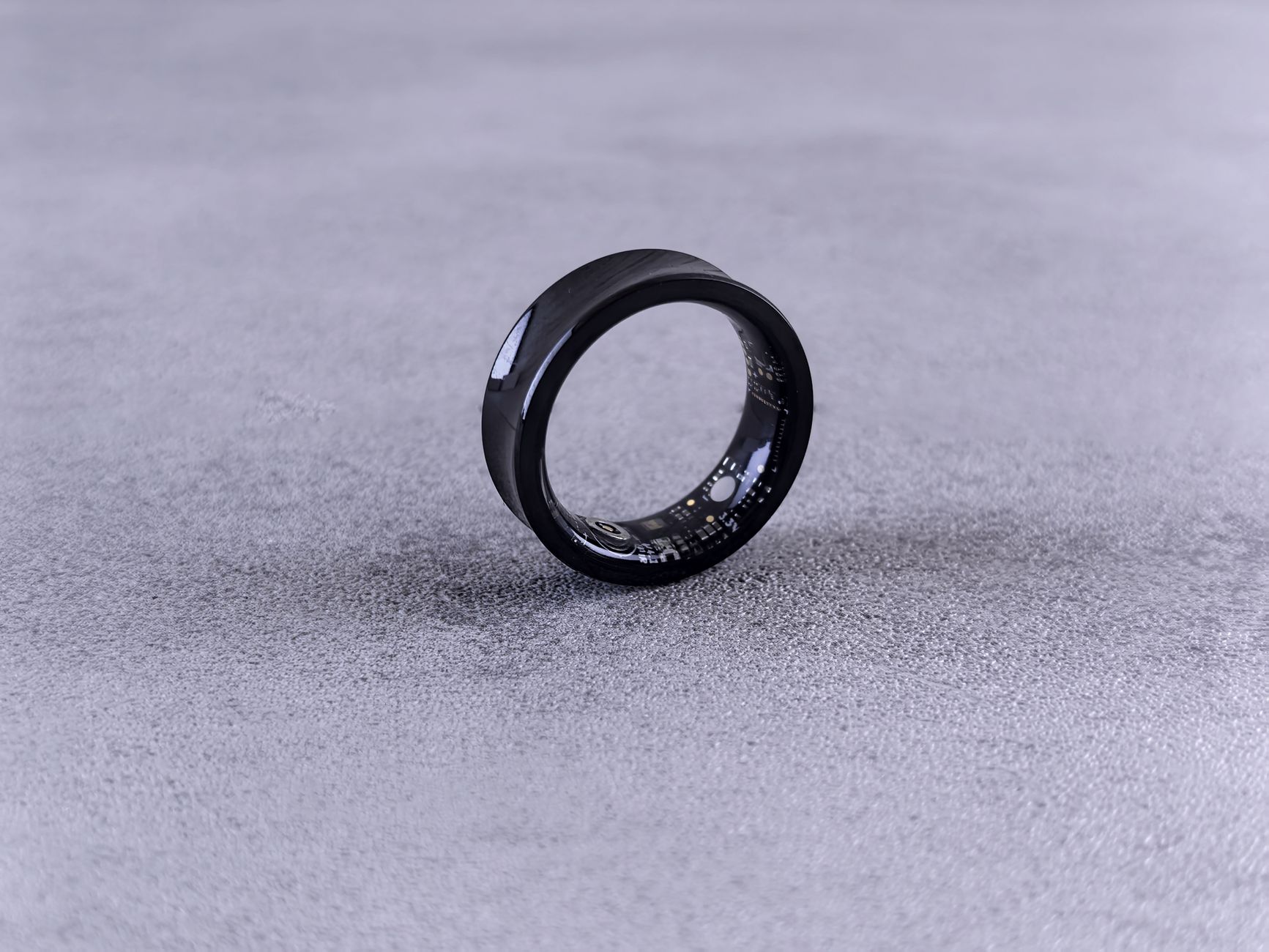
Sleep Is the Ring’s Home Turf
Sleep tracking is where the ring format makes its strongest argument. Plenty of people dislike wearing a watch to bed because of the bulk, the hard case pressing against the wrist and the need to recharge it at some point. Overnight is often when the watch ends up on the charger, which is exactly the window when sleep data matters. A ring sits on a finger, weighs very little, and can run through several nights before it needs power. The finger is also a sensible place to read a pulse, since blood vessels run close to the surface, and a snug ring stays in contact with the skin even when you toss around. Wearing it every night builds a personal baseline for resting heart rate and temperature, and baselines are what make a morning score mean something.
The software layer matters as much as the sensors. Oura’s readiness and sleep scores compress a night of signals into a number and a short explanation, which is easy to act on even when the underlying measurements are imperfect. Imperfect is the honest word here. Consumer wearables estimate sleep stages and recovery from indirect signals, and none of them is a medical instrument. Still, a consistent estimate worn every night can reveal patterns, such as a run of poor sleep after late meals or a temperature drift that shows up before a cold. The ring turns self-tracking into a habit rather than a project.
Then there is the plain matter of looks. A watch announces itself as technology, while a ring reads as jewelry. Titanium finishes, a range of colors and slimmer profiles let the device pass unnoticed at a dinner or in a meeting where a chunky sports watch might feel out of place. It also reaches people who never wore a watch at all, and who may have no interest in starting. For a wearables industry that has spent years fighting over the same wrists, that is a genuinely new pool of buyers.

What Rings Still Can’t Do
The limitations are easy to list. A ring has no GPS of its own, no display, and no way to show your pace or heart rate mid-run without a phone nearby. Strength training and cycling are awkward as well, since gripping a barbell or handlebar presses on the sensors and can scratch the finish. Athletes who train by real-time numbers will keep a watch or chest strap, and for them a ring is an add-on rather than a replacement. That explains why many owners wear both, using the watch for workouts and the ring for everything that happens when the workout ends.
Money complicates the picture too. Oura charges a monthly membership to unlock the full app experience, a model closer to Whoop’s than to a conventional watch purchase. Samsung took the opposite route with the Galaxy Ring and skipped the subscription, which makes Oura’s pricing a talking point in every comparison. Rings are also hard to repair, their tiny batteries cannot be swapped, and sizing is unforgiving because a loose fit can produce poor readings. Oura has pursued patent claims against rival ring makers, a sign of how contested the category has become now that bigger names are crowding in.
Watch makers are not standing still. Sleep scores, recovery metrics and longer battery life have been creeping into mainstream smartwatches and fitness bands, so the gap that rings exploited is narrowing. Yet a watch’s greatest strength, being a do-everything device, is also why it struggles to compete on comfort. Every added feature brings more weight, a brighter screen and more frequent charging. The more likely outcome is a split, with watches for people who want a small computer on the wrist and rings for people who want the health data and little else.

A Quiet Device With a Loud Weakness
The ring’s biggest flaw is also the simplest to state: it cannot tell you anything on its own. Every answer waits inside a phone app, which means the buyer still has to open it, read it and change something in their routine. Anyone who never does has paid for a very expensive piece of jewelry.
Frequently Asked Questions
Are smart rings better than fitness watches?
It depends on use. Rings are more comfortable for sleep and last longer on a charge, while watches offer GPS, screens and real-time workout data.
Do smart rings require a subscription?
Some do. Oura charges a monthly membership for its full app experience, while Samsung’s Galaxy Ring does not require one.
Can a smart ring replace a fitness watch for workouts?
Not fully. Rings lack built-in GPS and a display, so serious athletes often keep a watch or chest strap for training.