




A Franchise Left Waiting
Suikoden was never a franchise that chased the spotlight. Through six mainline entries and a handful of spinoffs spanning the late 1990s through the mid-2000s, Konami’s political RPG series built a loyal audience on the strength of its 108-character recruitment systems, its war strategies, and its willingness to tell stories about revolution and moral compromise. Then, without ceremony, it went quiet. The last new entry in any form arrived in 2012, and since then Konami has offered almost nothing – no sequel announcements, no remasters beyond the 2023 HD remaster of Suikoden I and II, no signals about where the series goes from here.
That 2023 remaster briefly reignited hope. Players who had never touched the originals discovered what the fuss was about, and longtime fans revisited classics they had not played since childhood. The natural expectation was that a renewed commercial interest would push Konami toward a broader revival. It has not happened – at least not publicly, and not yet.
So fans are doing what fans do when a publisher goes silent: they are going back to the catalog.
Why Tierkreis Is Getting a Second Look
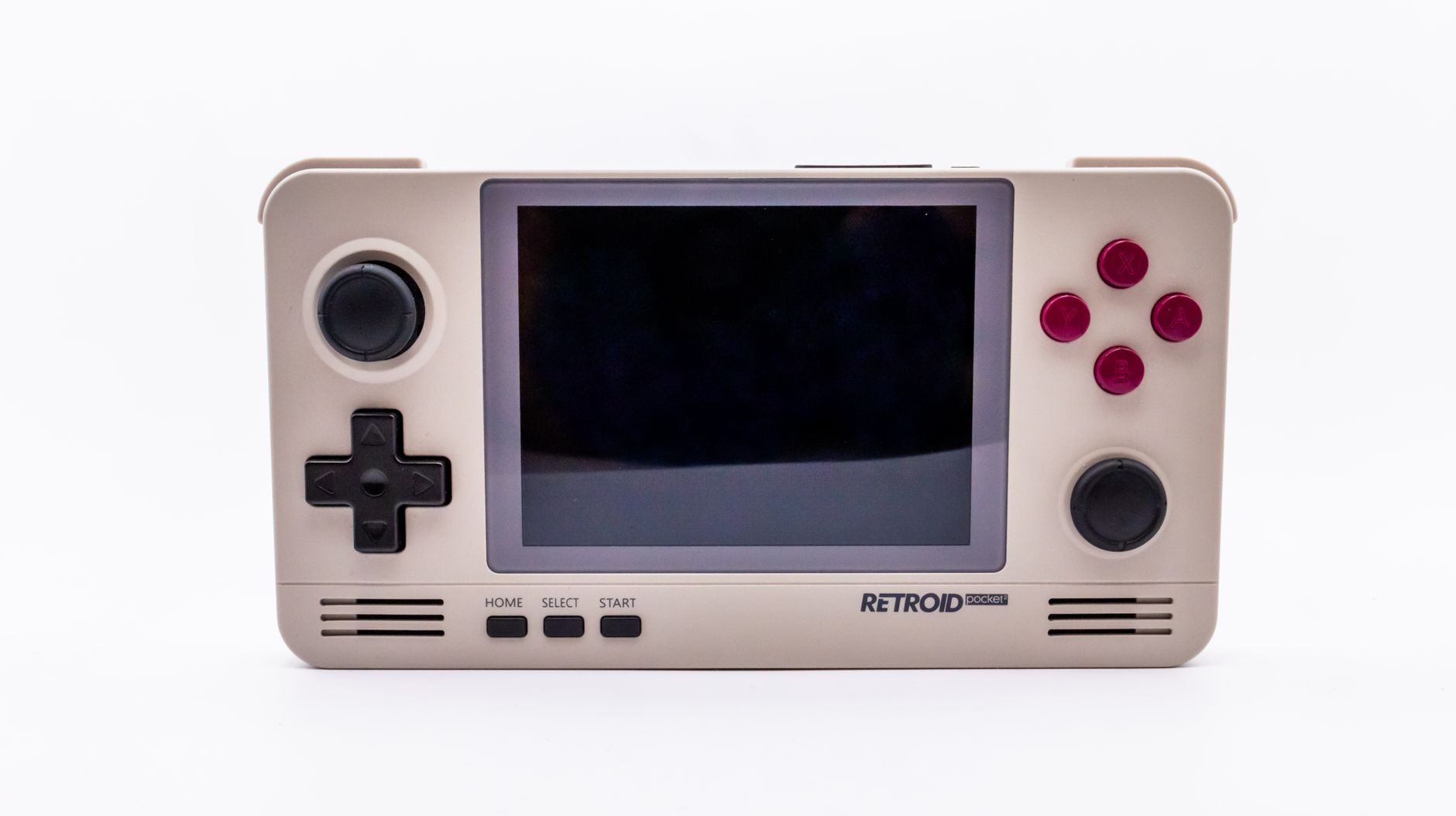
Suikoden Tierkreis, released for the Nintendo DS in 2008 in Japan and 2009 in the West, was always the odd one out. It dropped the True Runes mythology, replaced the established world of the mainline series with an entirely new setting, and made the handheld format its home at a time when console RPGs still dominated the conversation. Critics at the time received it warmly enough, but it sat outside the main canon, which made it easy to dismiss or skip. Now, partly because it is one of the few Suikoden games that remains genuinely accessible – the DS cartridge market is active, and emulation is straightforward – it is seeing a surge of community attention.
Fan forums and Discord servers dedicated to Suikoden have been filling with first-time Tierkreis playthroughs since mid-2024. The pattern follows a familiar logic: when a franchise produces nothing new, its fanbase turns inward and starts excavating the parts of the library that were previously treated as minor footnotes. Tierkreis, with its multiverse concept and its surprisingly robust 108-character roster, is turning out to be considerably more than a footnote. Players who expected a lightweight handheld spinoff are finding a game with more mechanical depth and narrative ambition than its reputation suggested.
The multiverse framing – where the game’s cast travels between parallel worlds governed by different “Stars of Destiny” – has also aged in an interesting way. That concept, which felt like a strange departure from Suikoden tradition in 2009, now reads as ahead of its time given how much of gaming and broader popular culture has leaned into parallel-world storytelling in the years since. It makes revisiting Tierkreis feel less like a consolation prize and more like encountering something that never got its due.
The Pattern of Publisher Silence
This is not the first time a beloved franchise’s silence has pushed its community toward deep cuts. Namco’s quiet period around Tekken sent players back to Tag Tournament 2, rediscovering mechanics and systems that had been partially abandoned in later entries. The same logic applies here. When official content stops coming, the conversation shifts from anticipation to archaeology.
Konami’s situation with Suikoden is complicated by the company’s well-documented pivot away from traditional console development through the 2010s. The studio cancellations, the departures of key creative figures, the focus on pachinko machines and mobile games – all of that is documented history, and it left Suikoden with no clear internal champion. The 2023 remaster was handled by an outside studio, Rabbit and Bear, which was itself founded by former Konami staff specifically to work on Suikoden projects. That arrangement produced a genuinely good product, but it also highlighted how much distance now exists between Konami as a company and Suikoden as a creative property.
What fans are waiting to hear is whether that distance can be closed. Rabbit and Bear has not announced a new original Suikoden title. Konami has not announced one either. The remaster sold well enough that the question is not absurd – there is clearly still commercial appetite. But appetite and greenlight are different things, and right now the community has no way to tell which side of that line they are on.
What Tierkreis Reveals About What’s Missing
Going back to Tierkreis is, for many players, also an exercise in identifying what made Suikoden work in the first place. The 108-character recruitment system is the obvious answer – the act of building a castle-sized community of allies, each with their own role and backstory, creates an investment that most RPGs do not attempt. Tierkreis executes that system in compressed handheld form, which means it is not quite the sprawling experience of Suikoden II or V, but the core appeal is intact. Finding your 108th recruit still carries weight. The headquarters still grows. The cast still rewards attention.
That is exactly what makes the current silence frustrating rather than just disappointing. The design language of Suikoden is not obsolete – it is simply absent. Modern RPGs that attempt large ensemble casts, like various tactical and strategy titles that have come out in the last several years, often lack the personal intimacy that Suikoden built into its structure. Each of the 108 Stars of Destiny in a Suikoden game is a character, not a unit. Tierkreis maintains that standard even without the mainline mythology behind it.
Tierkreis also has the distinction of being fully voiced in English, which the mainline entries were not. For new players coming to the series through emulation or the DS cartridge market, that accessibility matters. The voice work is not exceptional by modern standards, but it makes the game feel more complete than its handheld origins might suggest – and it means that whatever nostalgia gap might exist for longtime fans does not apply to newcomers in the same way. If Konami wanted a testing ground to understand what a new Suikoden could look like in a contemporary market, the audience currently rediscovering Tierkreis is telling them exactly that the market is still there.