




What happens when the brand that defined a product category becomes the benchmark everyone else prices against? For years, “GoPro” worked as a generic term, the way people say “Kleenex” or “Jacuzzi.” Strap a small camera to a helmet, a handlebar or a dog, and it was a GoPro whether or not the logo said so.
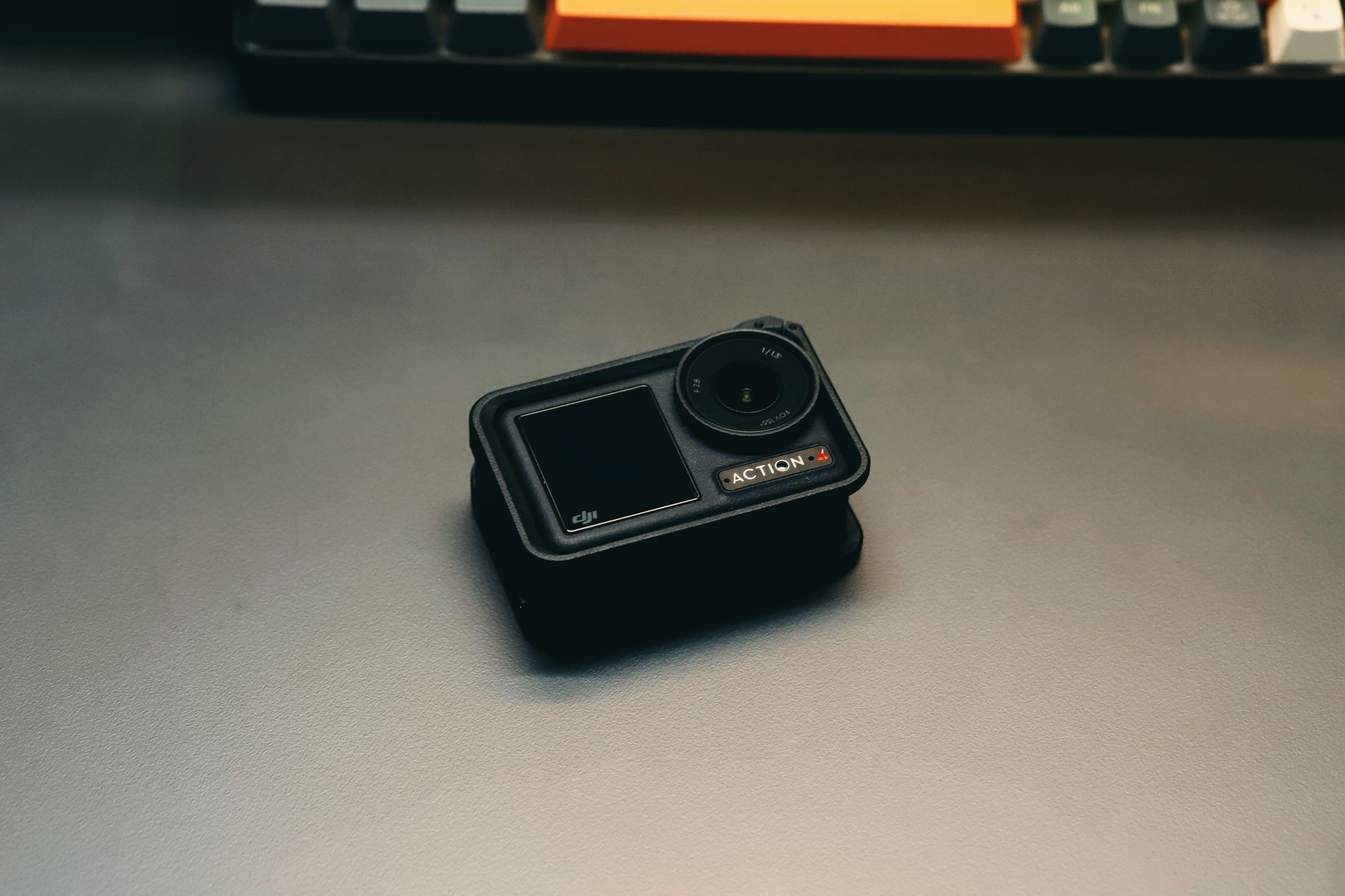
That shorthand is losing its grip. DJI’s Osmo Action cameras have moved from curiosity to default recommendation in a lot of buyer conversations, and the reasons are mostly practical: larger sensors, sensible pricing, and a company that already sells many of the other things a creator carries in a bag. GoPro still sells excellent cameras. The problem is that “excellent” is no longer a differentiator when a rival matches it on the spec sheet and undercuts it at the register.
How GoPro Built a Lead That Looked Permanent
GoPro’s early dominance rested on more than hardware. It sold an identity: footage that looked like it came from inside the action, shared by people who were doing the action. The company built a sprawling mount ecosystem, a recognizable visual style and a community that treated its cameras as the obvious choice for surfing, skiing, cycling and anything involving a roll cage. Competitors could make a waterproof camera, but they could not easily make one that people wanted to be seen using.
Software reinforced the hardware. HyperSmooth stabilization became a signature feature, good enough that many buyers stopped thinking about gimbals altogether. The mounting standard, with its folding prongs and thumbscrews, became so widespread that third-party accessory makers designed around it by default. That kind of lock-in is powerful, but it is also a reason for complacency, because a moat built on accessories only holds as long as buyers care about reusing their old gear.
What DJI Changed With the Osmo Action Line
DJI did not try to beat GoPro at being GoPro. It looked at the places where owners were quietly annoyed and fixed those first. Early Osmo Action models added a front-facing screen alongside the rear display, which solved a problem every vlogger and cyclist had been working around. Later versions moved to a magnetic quick-release mounting system, so swapping a camera between a chest strap and a handlebar took seconds rather than a fiddly minute with a thumbscrew and cold fingers.
Then came the sensor. Recent Osmo Action models use a larger sensor than most of their GoPro counterparts, and in dim light, the difference shows up as cleaner shadows and less smeared detail. Action cameras have traditionally struggled at dusk, in forests and indoors, which is exactly where many real-world users shoot. A camera that holds up in those conditions does not need a marketing campaign to explain itself, because the footage does the arguing in side-by-side comparisons on YouTube.
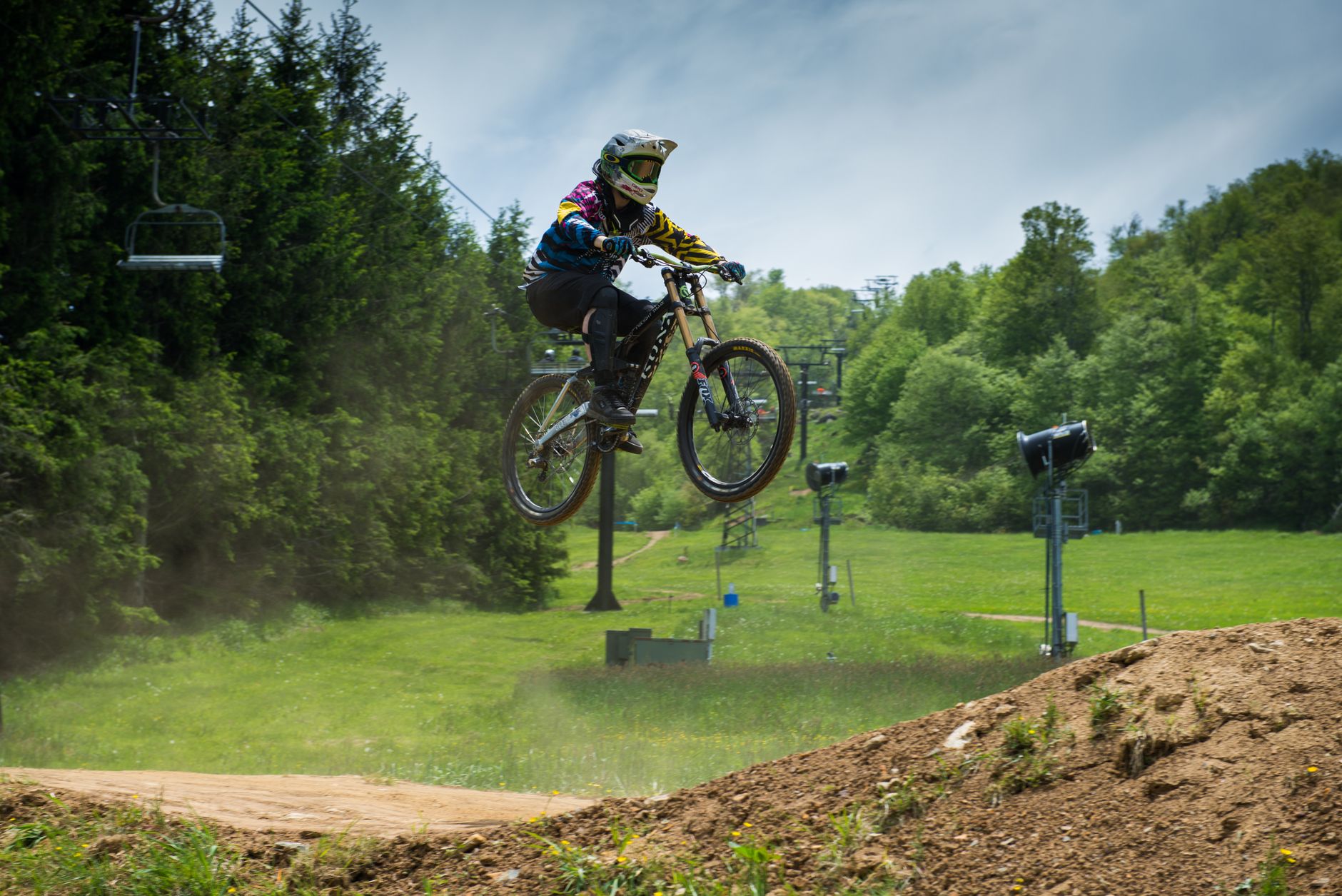
Battery and temperature behavior added to the pitch. DJI has promoted strong cold-weather endurance, which matters to skiers, snowmobilers and anyone filming in conditions that drain lithium cells quickly. Reviews of the Osmo Action line have tended to treat battery life as a strength rather than a compromise, and that reputation travels fast among people choosing a first action camera.
The less visible advantage is that DJI is not only an action camera company. It sells drones, gimbals, wireless microphones and pocket cameras, so a buyer who already owns one of those products has a reason to stay in the same ecosystem. A DJI microphone that pairs cleanly with a DJI camera is a small convenience, but small conveniences add up when two products are otherwise close. DJI has also generally priced the Osmo Action line at or below comparable GoPro models, which makes the decision easier for anyone comparing carts side by side.
GoPro’s Counterpunch
GoPro has not been standing still. Its recent flagship cameras added swappable lens modifiers, which lets a user change field of view or add a macro or anamorphic look without buying a new body. That is a smart answer to the sensor argument: if you cannot win on raw sensor size, win on flexibility. The company has also pushed longer-lasting batteries, added more resolution and frame rate options, and kept its firmware experimentation community, GoPro Labs, alive for power users who like to tinker.
The weakness is that these upgrades arrive as add-ons to a mature design, while DJI’s pitch is simpler. Lens mods are clever, but they cost extra and appeal mostly to enthusiasts. Most buyers want to open a box, snap a camera into a mount and get usable footage. GoPro also carries the baggage of its subscription push, which has drawn grumbling from owners who feel that features once bundled with the camera now sit behind a recurring fee.
Pressures Beyond the Spec Sheet
The contest is not a clean two-way fight. Insta360 has built a loyal following with 360-degree cameras and a compact single-lens model, and it competes for the same shelf space and the same creator budgets. Every buyer who picks Insta360 is a sale neither GoPro nor DJI gets, which means the market GoPro once owned is being sliced from several directions at once.

DJI has its own exposure. The company has faced sustained political and regulatory scrutiny in the United States, particularly around its drones, and that pressure could spill into how its cameras are sold, stocked or taxed there. A rival’s regulatory trouble is the kind of opening GoPro, as an American company, could use, but only if its products are competitive enough that buyers would choose it over a cheaper, better-reviewed alternative anyway.
GoPro’s financial position adds urgency. The company has reportedly struggled with declining sales and restructuring in recent years, and a smaller revenue base means less room for the research spending needed to match a larger rival with a broader product line. If DJI keeps pushing sensor size and price while GoPro leans on accessories and software, a buyer in a camera store may soon be asking which brand will still be updating its firmware in five years, not which one has the better mount.