




Buy a smartwatch and the sticker price is only the first line item. There is the cellular plan if you want to leave your phone at home, the optional fitness service, the cloud storage that quietly fills with health data, and the growing habit of wearable makers dangling a premium tier in front of you. Garmin built its reputation on the opposite pitch: pay once for the hardware, and the training metrics, maps and sleep data come with it. That pitch is now landing with a far wider audience than the brand’s traditional base of marathoners, triathletes and trail obsessives.
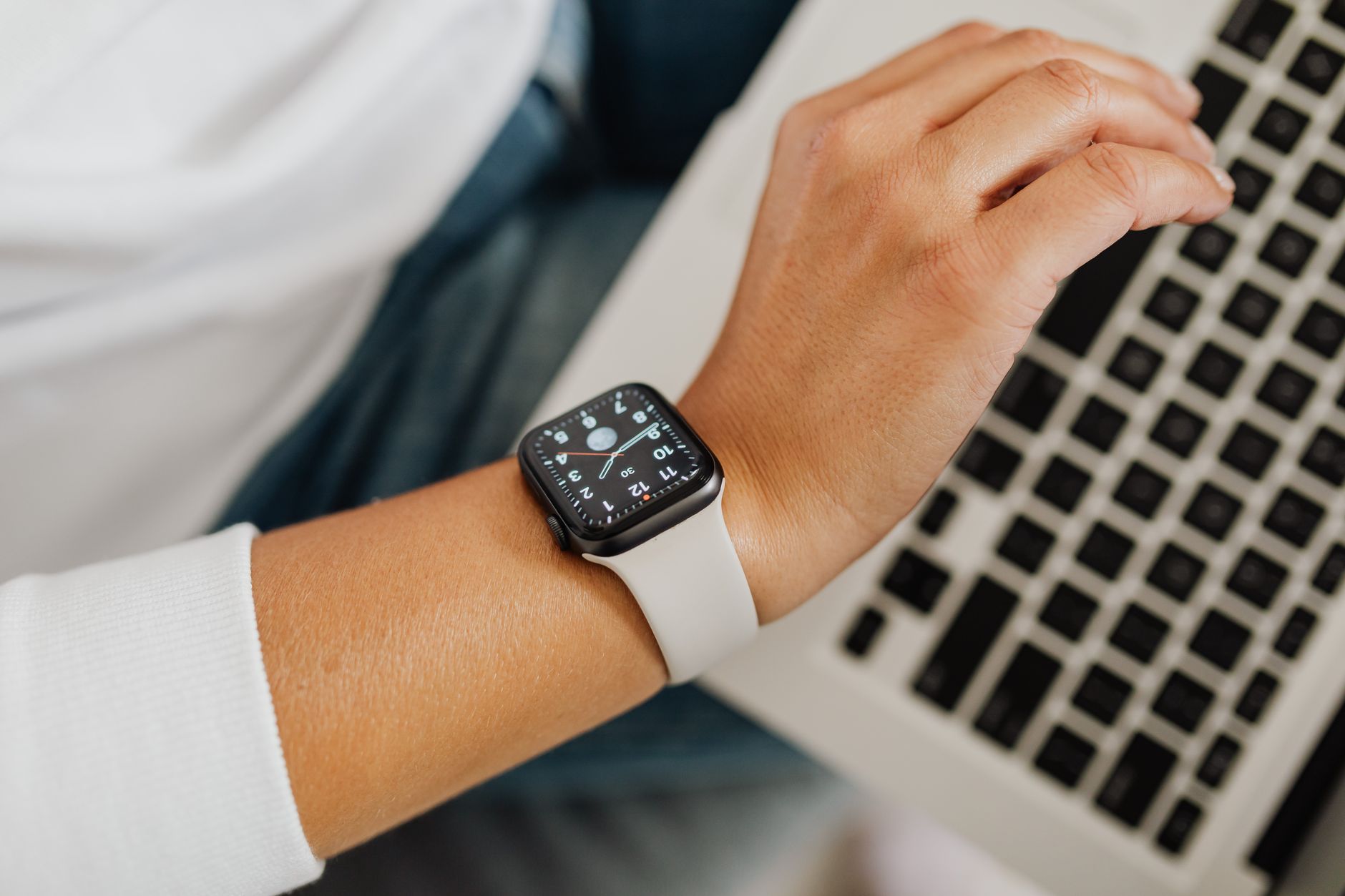
The Apple Watch is still the default choice, but it is no longer the only watch people cross-shop.
Garmin is not entirely free of subscriptions anymore, and it would be dishonest to pretend otherwise. In 2025 the company introduced Connect+, an optional paid tier that adds extra insights and app features, while saying that features owners already had would stay free. That caveat matters, but it also sharpens the contrast. Garmin’s paid layer is an add-on you can ignore, not a toll booth between you and your own heart rate data, and the watches themselves still work as complete products without it.
The Math of Owning a Watch That Doesn’t Bill You
The Apple Watch is not a subscription product in the strict sense, and it is fair to say so. Core features work out of the box once it is paired with an iPhone, and Fitness+ is optional. But the ecosystem is built to accumulate small recurring costs: a cellular plan for models that can leave the phone behind, extra iCloud storage as health and photo data pile up, and an upgrade cycle nudged along by new sensors and software features that skip older hardware. None of these is outrageous on its own. Stacked over three or four years, they turn a one-time purchase into a running tab. Garmin keeps that tab short because the training analysis, maps and recovery tools live on the watch and in a free companion app.
There is also a psychological layer. Most people already juggle subscriptions for streaming, storage, music and software, and fatigue sets in quickly. A watch is different from a movie service because it sits on your wrist and measures your body. Being told that deeper readings of your own sleep or recovery sit behind a monthly fee feels more like a rental than a purchase. Garmin’s message is easy to say in one sentence, and that simplicity is part of why it travels well by word of mouth.
Platform neutrality adds to the appeal. An Apple Watch only works with an iPhone, so the watch becomes another reason not to switch phones. A Garmin pairs with both iOS and Android, which matters for households with mixed devices and for anyone who suspects their next phone might not be an iPhone. The watch outlives the phone decision instead of being tied to it.

Battery Life Is the Quiet Dealbreaker
Ask people who dropped an Apple Watch for a Garmin why they switched, and battery life tends to come up first. An Apple Watch generally wants a charge every day or so, which forces a choice: charge it overnight and lose sleep tracking, or squeeze a top-up into the morning routine and hope it is enough. Many Garmin models run for days between charges, and some solar-assisted designs stretch much further. That changes how the watch behaves in daily life. Sleep, resting heart rate and recovery trends are only useful if the watch is on your wrist when the data is being generated, and a watch that rarely needs the charger is a watch that rarely has gaps in its record. Long battery life is less a spec-sheet brag than the reason a wearable can act as a health monitor instead of a gadget you babysit.
Training depth is the second pillar. Garmin’s software is organized around coaching concepts: recovery time, training load, race predictions, morning readiness summaries and structured workouts you can send from your phone. Apple has narrowed the gap with better workout tracking and load metrics, and its screens, apps and overall polish remain excellent. Still, the Garmin interface assumes you are planning weeks of training, not just closing rings. Physical buttons also matter more than they sound. They work with sweaty fingers, rain-soaked gloves and cold hands, where a touchscreen can misfire at the worst moment of a run.
The category is getting crowded from below as well, since smart rings like Oura are squeezing fitness watches with sleep and recovery tracking that needs no screen at all. Garmin’s answer is to double down on what a ring cannot do: built-in GPS, offline maps, onboard music and a display you can read mid-stride. That is a sturdier defense than trying to out-polish Apple on lifestyle features.
Where Garmin Still Loses
Garmin wins the wrist of the person who wants a coach, but the Apple Watch still owns the person who wants a phone extension. Payments, app variety, voice assistance and the tight handoff between watch and iPhone are areas where Apple’s integration is hard to match. And on an iPhone, a Garmin watch still can’t reply to a text message, a limitation that for plenty of buyers ends the debate before battery life ever comes up.