




Approval was supposed to be the hard part. When regulators in the UK and US cleared Casgevy in late 2023, it became the first medicine built on CRISPR gene editing to reach the market, and the headlines treated it as the moment a decades-old promise became real. For people with sickle cell disease and transfusion-dependent beta thalassemia, the news carried an obvious meaning: a one-time treatment that could end the pain crises and the transfusion schedules that define their lives.
The picture since then has been quieter and more complicated. Approval turned out to be the start of a different kind of problem, one that has little to do with the science of editing DNA and everything to do with hospitals, insurance systems, chemotherapy, and the sheer number of steps between a patient’s blood and a finished treatment. A cure that exists on paper is not the same as a cure that reaches a person in a clinic.
A Treatment Built Like a Logistics Chain
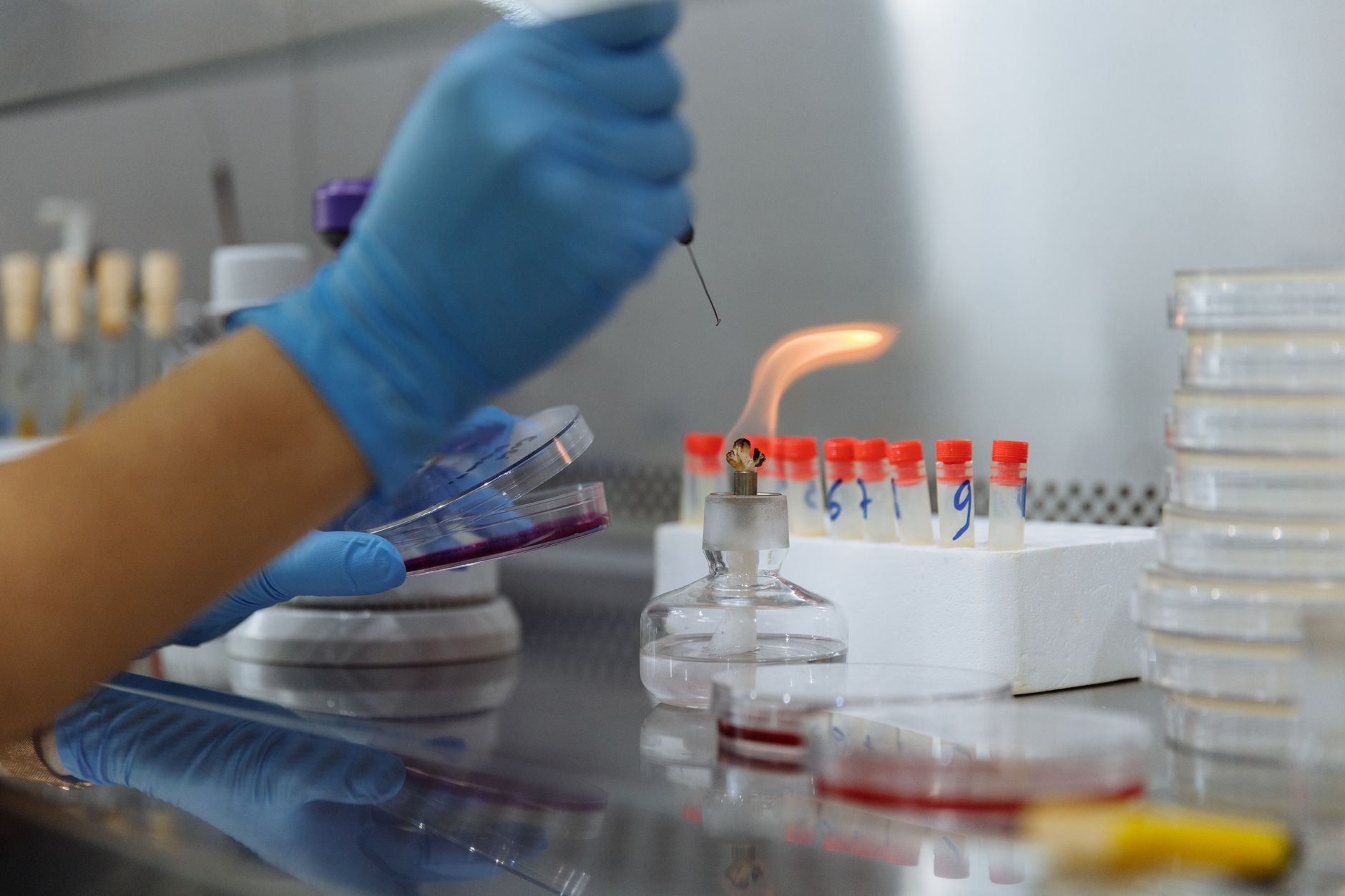
Casgevy is not a pill or an infusion pulled off a pharmacy shelf. It is made from the patient’s own blood stem cells, which have to be collected through a process called apheresis, where blood is drawn, the stem cells are filtered out, and the rest is returned to the body. Patients often need more than one collection round to gather enough cells. Those cells are then shipped to a manufacturing facility, where the gene responsible for shutting off fetal hemoglobin production is edited with CRISPR. Reactivating fetal hemoglobin is the trick that lets red blood cells work properly despite the underlying genetic defect.
Then everything waits. Manufacturing, quality testing, and shipping the edited cells back to the hospital take months, and any hiccup in that chain, from a failed collection to a batch that does not meet specifications, can push the timeline further. Because every dose is custom-made from one person’s cells, there is no inventory to draw on and no way to speed things up by producing in bulk. The treatment scales the way a bespoke tailor does, one fitting at a time.
Why the Hospital Is the Bottleneck
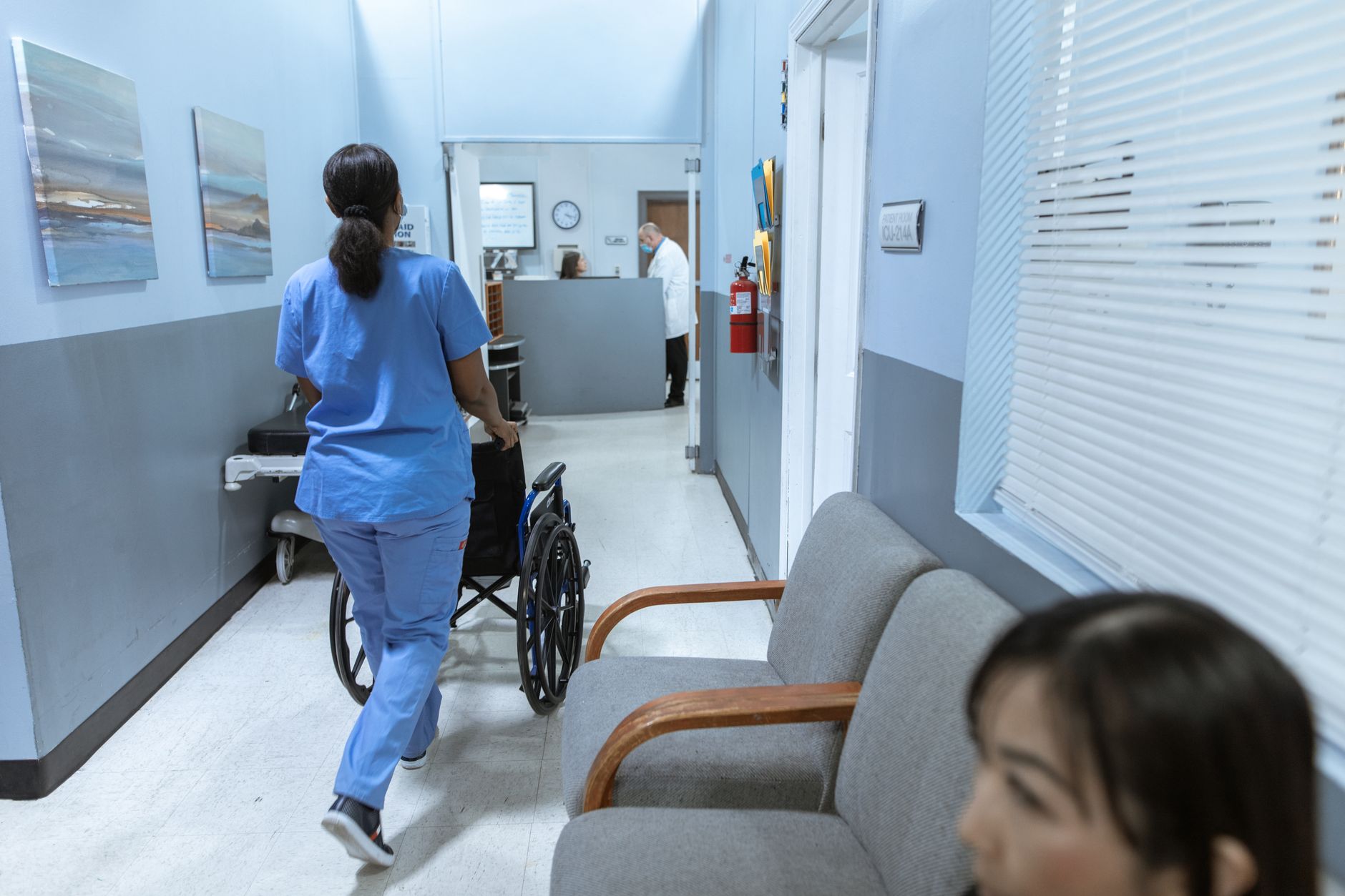
Before the edited cells go back in, patients must undergo conditioning with busulfan, a chemotherapy drug that clears out existing bone marrow to make room for the modified cells. This is the part of the process that gives many patients and families pause. Busulfan is a serious drug with serious consequences, including a high risk of infertility, and it requires a lengthy stay in a specialized hospital unit while the new cells take hold and blood counts recover.
That requirement shapes who can realistically be treated. Only a limited number of hospitals are qualified to run the full process, and each needs the staff, the isolation rooms, and the experience with stem cell transplant-style care. Each patient occupies a bed for weeks, which means a center can only take on a handful of cases at a time without crowding out other transplant patients.
The fertility question deserves its own attention. Many people with sickle cell disease are young adults or teenagers, and the idea of trading one lifelong condition for a possible loss of the ability to have biological children is not a minor footnote. Fertility preservation is an option, but it adds another layer of appointments, expense, and delay, and not every insurer or clinic makes it easy.
There is also a quieter psychological barrier. People living with sickle cell disease have often spent years being underserved by the medical system, and asking them to trust a hospital with a months-long, high-intensity procedure is a lot. A treatment can be scientifically elegant and still be a hard sell when the path to it runs through chemotherapy and an extended hospital stay.
Who Pays for a $2.2 Million Therapy
The US list price for Casgevy is $2.2 million, a figure that sounds staggering until it is set against a lifetime of hospitalizations, emergency visits, and transfusions. That argument is the basis for the pricing, and it is not a silly one. But a good argument about long-term savings does not solve the immediate problem of who writes the check, particularly when a large share of people with sickle cell disease in the US depend on Medicaid, which operates on state budgets that are not built to absorb a seven-figure charge on short notice.
Federal and state officials have tried to address this through outcomes-based arrangements, where payment is tied to how well the therapy works rather than simply handed over upfront. Such deals are still new, and they require states to opt in, negotiate, and build administrative systems that did not exist before. Every month spent on paperwork is a month in which a patient who qualifies on clinical grounds remains on the waiting list.

The Patients Who Need It Most Live Far From It
Sickle cell disease is most common in sub-Saharan Africa, parts of India, and the Middle East, with a heavy burden in the US among Black Americans. Casgevy, as currently designed, is almost entirely out of reach for the first group. The infrastructure for apheresis, cell manufacturing, and intensive inpatient care simply does not exist at scale in the regions where most patients live. A therapy priced in the millions, built on a supply chain that runs through specialized facilities in wealthy countries, was never going to land there on its own.
Researchers are working on ways around this. One direction is editing cells inside the body rather than outside it, which would skip the collection, manufacturing, and chemotherapy steps altogether. Another is gentler conditioning regimens that clear marrow without the toxicity of busulfan. Both are early, and neither is a quick fix, but they target the right obstacles. The editing itself is not what holds back access to this therapy. The surrounding process is.
That leaves a strange situation for a field that spent years proving CRISPR could work in people. The proof is in. What is missing is a delivery system that does not require a patient to be near a major medical center, healthy enough to survive chemotherapy, and covered by a payer willing to approve a price that rivals a house in an expensive city. Until the process gets lighter, the first CRISPR therapy will keep being a landmark that most eligible patients can only watch from a distance.