




Nintendo’s Alarmo clock started as a curiosity – a $99 motion-sensing alarm device that wakes you up with video game sound effects. But a closer look at what the hardware actually does, and where Nintendo seems to be taking it, suggests something more calculated is going on.
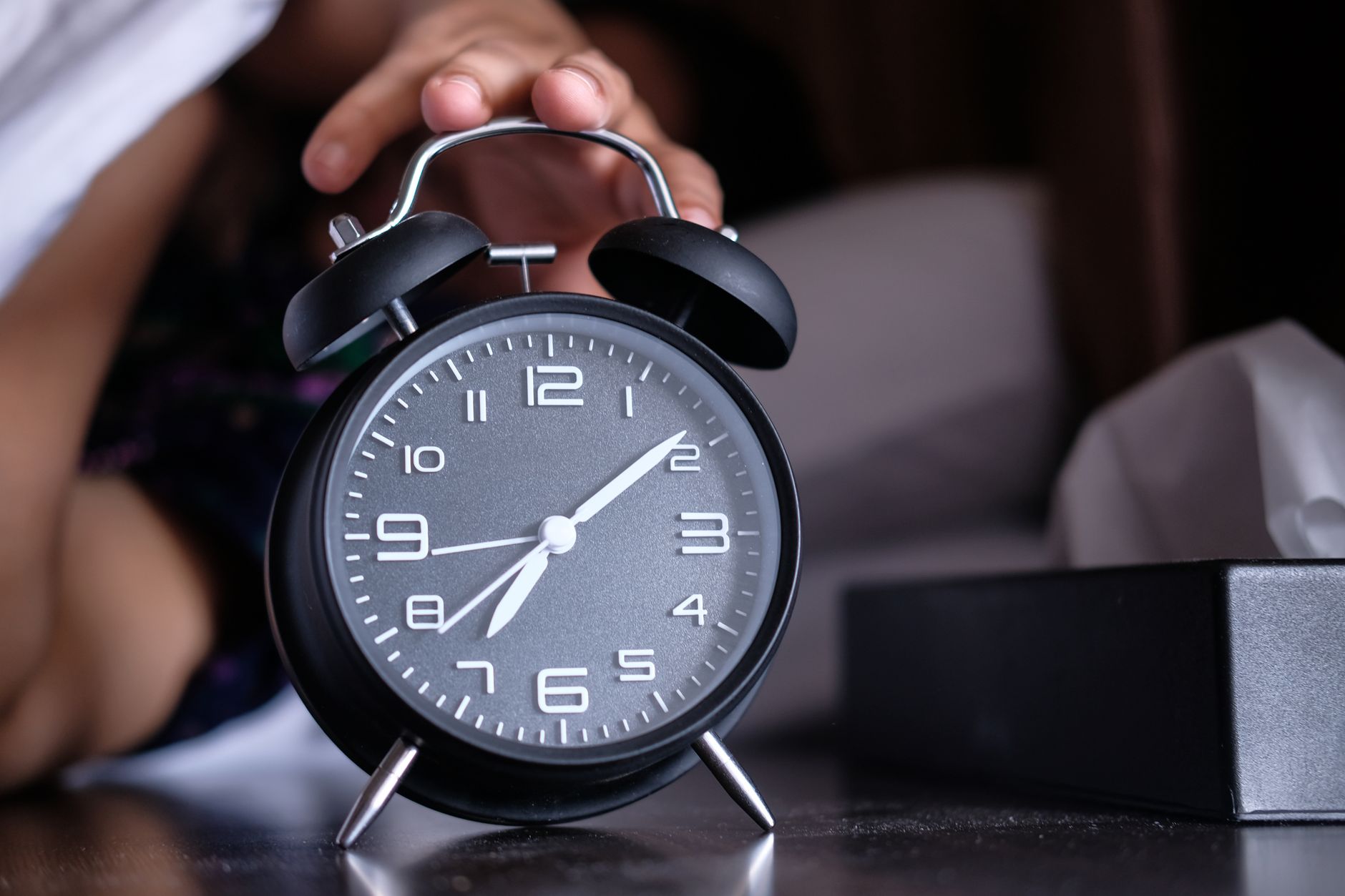
An Alarm Clock That Watches You Sleep
Alarmo uses radar-based motion sensing to detect movement in your bed. The original pitch was simple: the clock responds to whether you’re actually awake, adjusting its alarm behavior based on your movement. Roll over and ignore it, and the sounds escalate. Get up, and it quiets down. That alone made it an interesting gadget. What it also does, quietly, is collect granular motion data across the entire night – not just the moment the alarm goes off.
That distinction matters more than it might seem. A device that reads your movement every few seconds over seven or eight hours isn’t just an alarm clock. It’s a sleep monitor. Nintendo hasn’t marketed Alarmo that way, and the current software doesn’t present sleep data to users in any detailed form. But the sensor architecture is fully capable of it. The hardware was built with significantly more capability than the initial feature set requires, which is either very generous engineering or a deliberate foundation for something that comes later.
Nintendo has a documented history of interest in sleep and health monitoring. The company spent years developing the QOL (Quality of Life) platform, a non-wearable sleep sensor that used similar radar-based detection and was intended to analyze sleep stages, breathing, and movement patterns. That project was quietly shelved around 2016 without a commercial release. Alarmo, which uses a closely related sensing approach, looks a lot like QOL’s second attempt – this time wrapped in a consumer-friendly product with immediate utility as an alarm clock.
The pricing also tells a story. At $99, Alarmo is expensive for an alarm clock and reasonably priced for health hardware. Consumer sleep trackers from dedicated health device makers routinely cost between $150 and $300. Positioning Alarmo in that gap – useful enough as an alarm to justify the price, but priced below dedicated sleep hardware – lowers the barrier for Nintendo to later expand what the device does without asking users to spend more money on a separate product.
What a Sleep Platform Would Actually Look Like
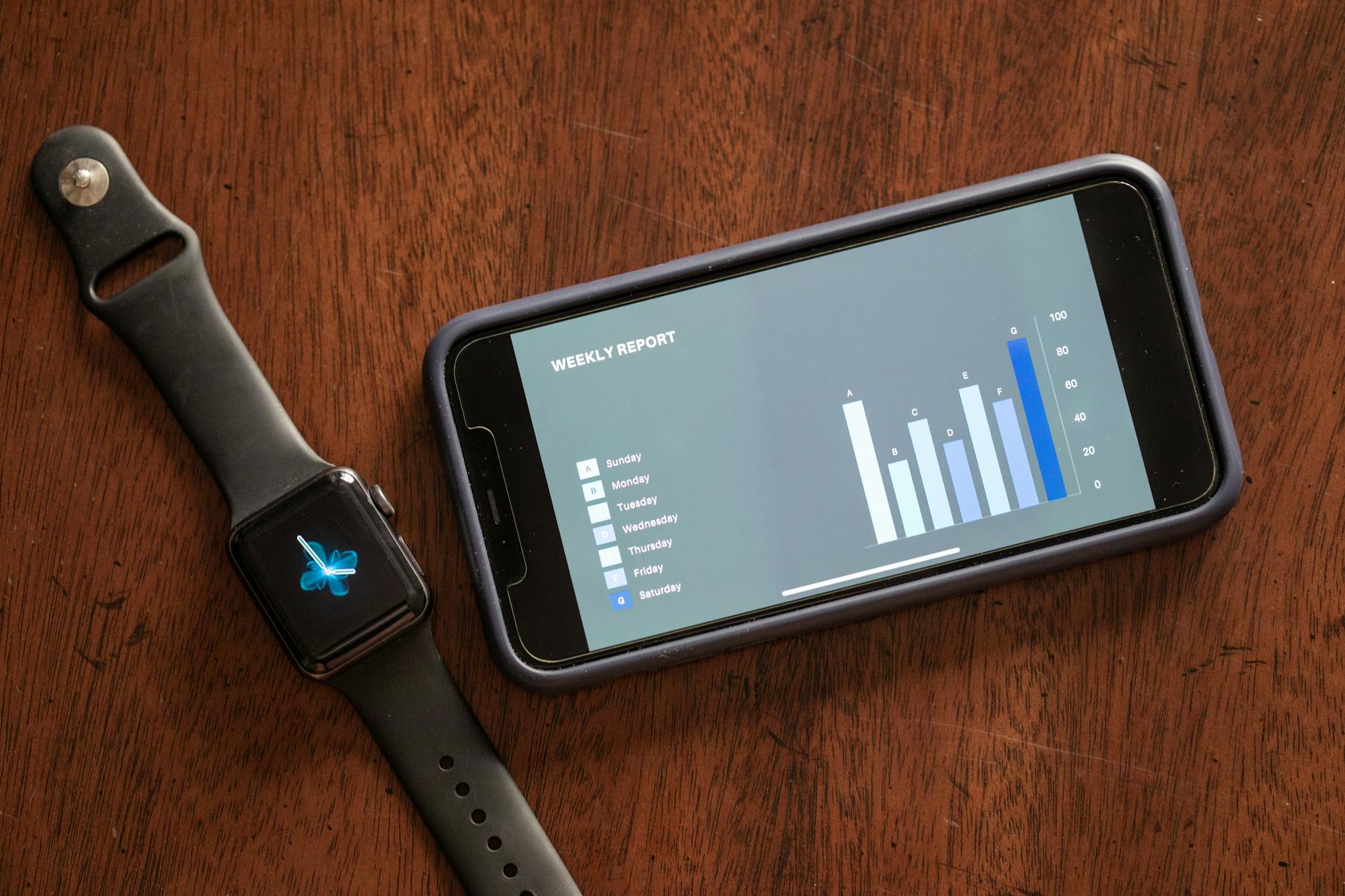
The infrastructure for a sleep tracking expansion is already partially in place. Alarmo connects to Nintendo’s online services, and the Nintendo Switch has an established account ecosystem with health-adjacent data handling. If Nintendo chose to push a software update that surfaced nightly motion summaries, sleep duration estimates, or restlessness scores, the path from current hardware to that feature set isn’t long. The sensor is already running. The data is already being generated. The question is what Nintendo decides to do with it.
Sleep tracking as a software feature would be a meaningful differentiator in a market where Nintendo has historically stayed out of health tech entirely. Apple, Google, Fitbit, and Garmin all compete aggressively in the wearable sleep space. None of them have Nintendo’s specific advantage: a gaming brand that already lives in bedrooms, a built-in audience of millions of Switch users, and a device that sits on a nightstand without requiring users to wear anything. Non-contact sleep tracking is genuinely harder to get consumers to adopt when it requires a new habit. Alarmo sidesteps that entirely because people are already putting it next to their bed for the alarm.
The gaming angle also opens territory that health device makers haven’t really explored. Imagine sleep data tied to gaming performance nudges – a notification suggesting you’re averaging less sleep than usual ahead of a big ranked session, or a morning summary delivered in the voice of a Nintendo character. It sounds gimmicky, but behavioral research on habit loops consistently shows that tying health data to activities people care about increases engagement with that data. Nintendo’s IP library is essentially a library of intrinsic motivators for its audience.
Third-party app integration is another logical extension. If Alarmo’s data ever opened to health platforms like Apple Health or Google Fit, it would immediately become one of the more accurate non-wearable sleep sensors on the market. Radar-based sensing picks up respiratory movement and micro-motion that most wrist accelerometers miss. That’s not a small technical advantage. Fitbit and Apple Watch estimate sleep stages from wrist movement and heart rate – workable, but indirect. A bedside radar sensor that can detect chest rise from across the room is closer to the methodology used in clinical sleep studies.
Nintendo hasn’t announced any of this. There are no confirmed partnerships, no roadmap, and no public statements from the company about sleep platform ambitions. What exists is a hardware device that is technically capable of substantially more than it currently offers, a company with a documented prior interest in exactly this space, and a product priced and positioned in a way that makes future expansion straightforward. That combination of factors doesn’t happen by accident.
The Risk Nintendo Is Quietly Taking On
Health data carries a different level of regulatory and reputational weight than gaming data. Sleep information is sensitive – it can reveal anxiety, health conditions, lifestyle patterns, and relationship dynamics. If Nintendo moves Alarmo toward genuine sleep tracking, it steps into a space where data privacy expectations are significantly higher than they are for a leaderboard score or a play history. The company’s privacy track record in gaming has been largely unremarkable in the best sense – Nintendo doesn’t have the data reputation concerns that follow some of its platform competitors. But health data is a different conversation entirely, and Nintendo would need to approach it carefully.

The more immediate question is whether Nintendo’s current users even know what Alarmo is capable of. Most people who bought one did so because it plays Zelda sounds when they hit snooze too many times. If those same users eventually open a software update and find a sleep dashboard waiting for them, the reaction will split cleanly between delight and discomfort – and which direction that split leans will depend almost entirely on how transparently Nintendo communicates what the device has been doing all along.