




The Silence That Speaks Volumes
Valve has said nothing about Half-Life 3. Not a tease, not a denial, not an accidental roadmap leak. Just silence – the kind that, after more than a decade, has developed its own gravitational pull. And right now, that silence is doing something unusual: it’s sending fans back to Half-Life: Alyx, the 2020 VR entry that many initially treated as a consolation prize rather than a true continuation of Gordon Freeman’s story.
The pattern is easy to spot across Steam forums, Reddit threads, and YouTube comment sections. Whenever a new rumor surfaces – a Valve job listing that mentions “narrative design,” a cryptic social post, a datamined string of text – interest in Alyx spikes. Players who skipped it due to the VR headset requirement are suddenly renting or borrowing hardware just to experience the ending. The ending, specifically, is the thing everyone keeps talking about.
Why Alyx Keeps Resurfacing
Released in March 2020, Half-Life: Alyx was a genuine critical success. It wasn’t Half-Life 3, and Valve never pretended it was. But its final act contains a story beat so deliberately designed to feed into a sequel that ignoring it feels almost impossible. Without spoiling too much for holdouts: the ending doesn’t close anything. It opens a door, loudly, then Valve walked away from the doorway and apparently took a very long nap.
That unresolved narrative is the engine behind Alyx’s recurring revivals on Steam charts. When nothing new is coming, the last real thing becomes the most important thing. Players return not just for nostalgia but to reanalyze, to pick apart environmental details they may have missed in a first playthrough, and to post their theories in increasingly elaborate forum threads. The game functions, almost accidentally, as a holding pattern for a fanbase with nowhere else to go.
This also connects to something worth understanding about Valve’s relationship with its own franchises. The company operates without the quarterly release pressure that most publishers face. It doesn’t owe investors a sequel timeline. That freedom produces either long-form creative development or indefinite shelving – and from the outside, those two things look identical. The Half-Life community has spent years trying to determine which one is actually happening.
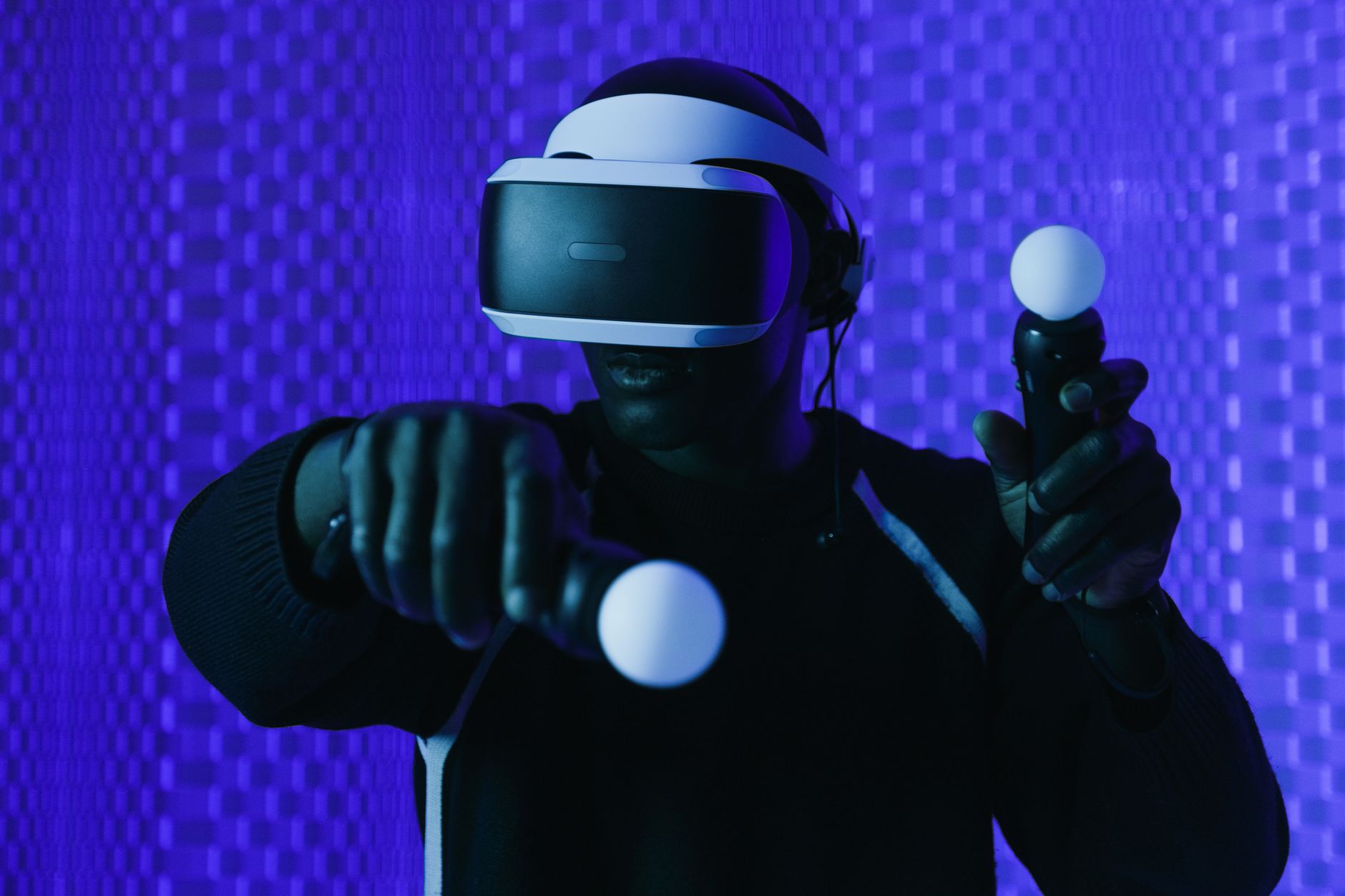
What makes Alyx different from, say, a straight replay of Half-Life 2 is the VR medium itself. Returning players aren’t just watching the same story unfold – they’re physically interacting with City 17’s environments in a way that feels different every time. That tactile quality gives the game a longer shelf life than a traditional narrative shooter, and it means each return visit can feel like a slightly different experience. The hardware barrier that once kept players away has quietly lowered as second-hand headsets and PC VR bundles have become more affordable.
The Rumor Cycle and Its Effect
The Half-Life 3 rumor cycle runs like clockwork at this point. A LinkedIn profile update at Valve, a job posting mentioning “a large-scale single-player project,” a developer spotted at a motion capture studio – each of these triggers a new wave of speculation that reliably sends Alyx back into trending discussions. It’s a feedback loop where the absence of information becomes its own form of content.
This is worth comparing to how Valve’s silence around Dota 2 updates has pushed players toward older titles. The behavior is consistent across Valve’s ecosystem: when the company goes quiet, its community doesn’t disperse. It circles back to whatever’s available and waits.

What a Return to Alyx Actually Reveals
Players revisiting Alyx in 2024 and 2025 are reporting something that first-time players missed: the game is dense with environmental storytelling that clearly anticipates future events. Resistance base layouts, background conversations, and certain late-game visual choices all suggest a development team that knew exactly where the story was going – or at minimum, wanted players to believe they did. Whether that confidence was justified by actual production work on a sequel is the question nobody outside Valve can answer.
There’s also a growing appreciation for Alyx as a standalone work rather than just a bridge chapter. Critics who initially graded it on a curve as “impressive for VR” are now discussing it as a well-constructed horror-inflected shooter that holds up on its own terms. That reappraisal is partly responsible for drawing in players who sat it out the first time, either due to hardware costs or the assumption that a non-Gordon Freeman story wasn’t worth the investment.
The more time passes without a Half-Life 3 announcement, the more Alyx becomes the definitive ending point of the series – not because Valve intended it that way, but because a story left unfinished eventually becomes the story itself. For a game designed as a middle chapter, that’s an odd kind of immortality. And for players currently strapping on headsets to replay that final scene one more time, the question isn’t whether Valve will eventually break the silence. The question is whether any actual announcement could possibly live up to what twelve years of imagination have already built.