





The $549 Question Xbox Can’t Easily Answer
Valve’s Steam Deck OLED arrived not as a minor hardware refresh, but as a direct argument against owning a dedicated home console. At $549 for the 1TB model, it sits below the Xbox Series X’s $499 price point while offering something Microsoft has never been able to match: a portable PC gaming device with access to a library that dwarfs anything on Game Pass. For budget-conscious gamers who already own a TV and don’t want to pay a monthly subscription just to keep their game library alive, the math is starting to land differently than it used to.
The shift is visible in gaming communities across Reddit, Discord, and YouTube comment sections, where a growing number of players describe the Steam Deck OLED as their “main console” – not a secondary device, not a travel gadget, but the primary machine they boot up after work. That framing would have seemed strange two years ago. It doesn’t anymore.
What the OLED Upgrade Actually Changes
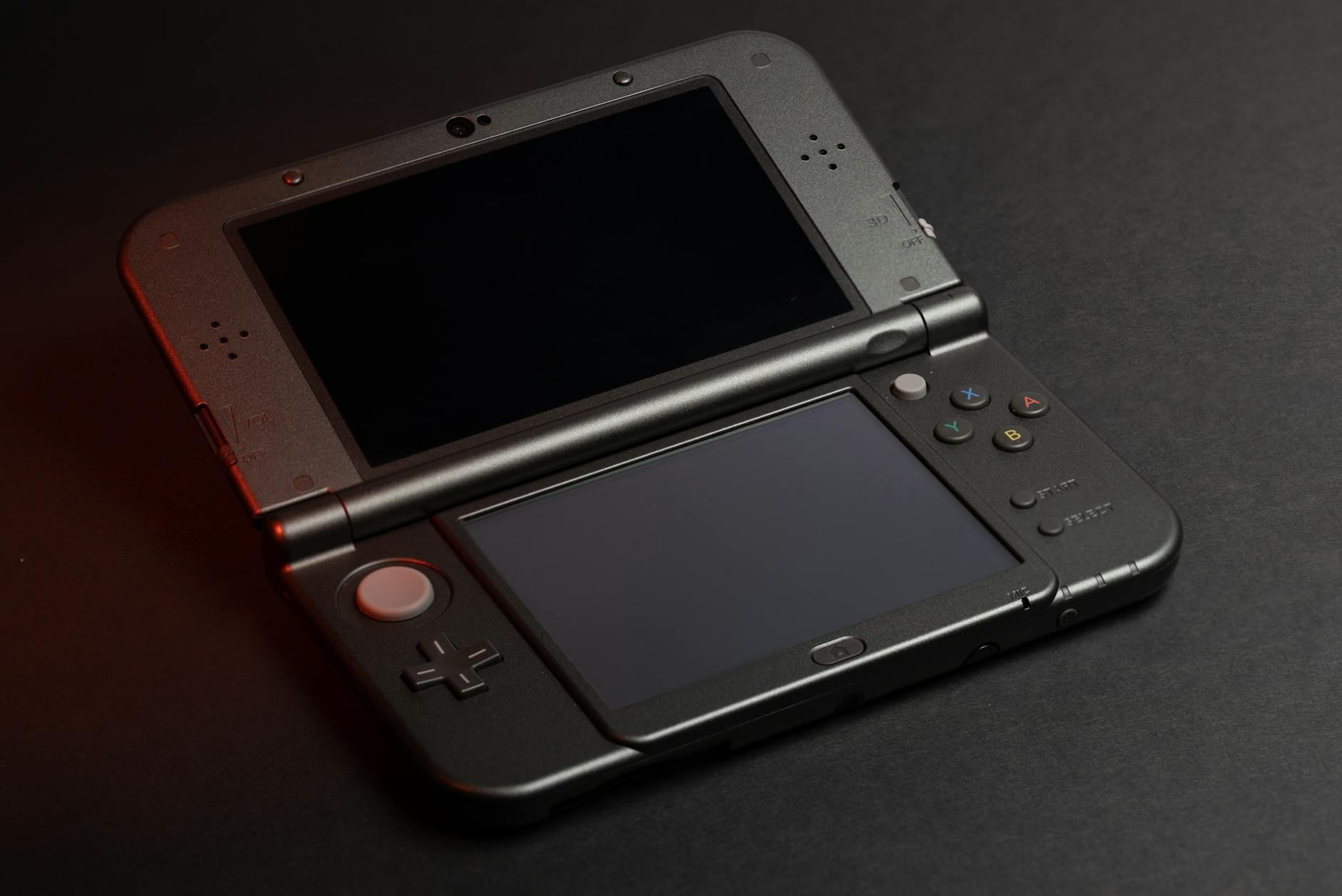
The original Steam Deck had a display problem. Its LCD screen was adequate, but in a market where even mid-range phones ship with OLED panels, “adequate” wasn’t good enough for a $400-plus device. The OLED version corrects that with a 7.4-inch 90Hz HDR display that offers noticeably deeper blacks, better contrast, and more saturated color than its predecessor. That might sound like a spec-sheet upgrade, but it matters in practice because the screen is the entire window into every game you play on a handheld – it’s not a secondary spec like RAM or storage speed. When the display improves this much, the whole experience improves.
Battery life also extended from the original’s underwhelming 2-3 hours in demanding titles to a range that more reliably hits 4-6 hours depending on settings. The chassis stayed roughly the same size, but the weight dropped slightly, and the new white model in particular looks less like a developer prototype and more like a finished consumer product. These are the kinds of refinements that close the gap between “impressive tech demo” and “daily driver.”
Steam’s Library Advantage Is Structurally Hard to Beat
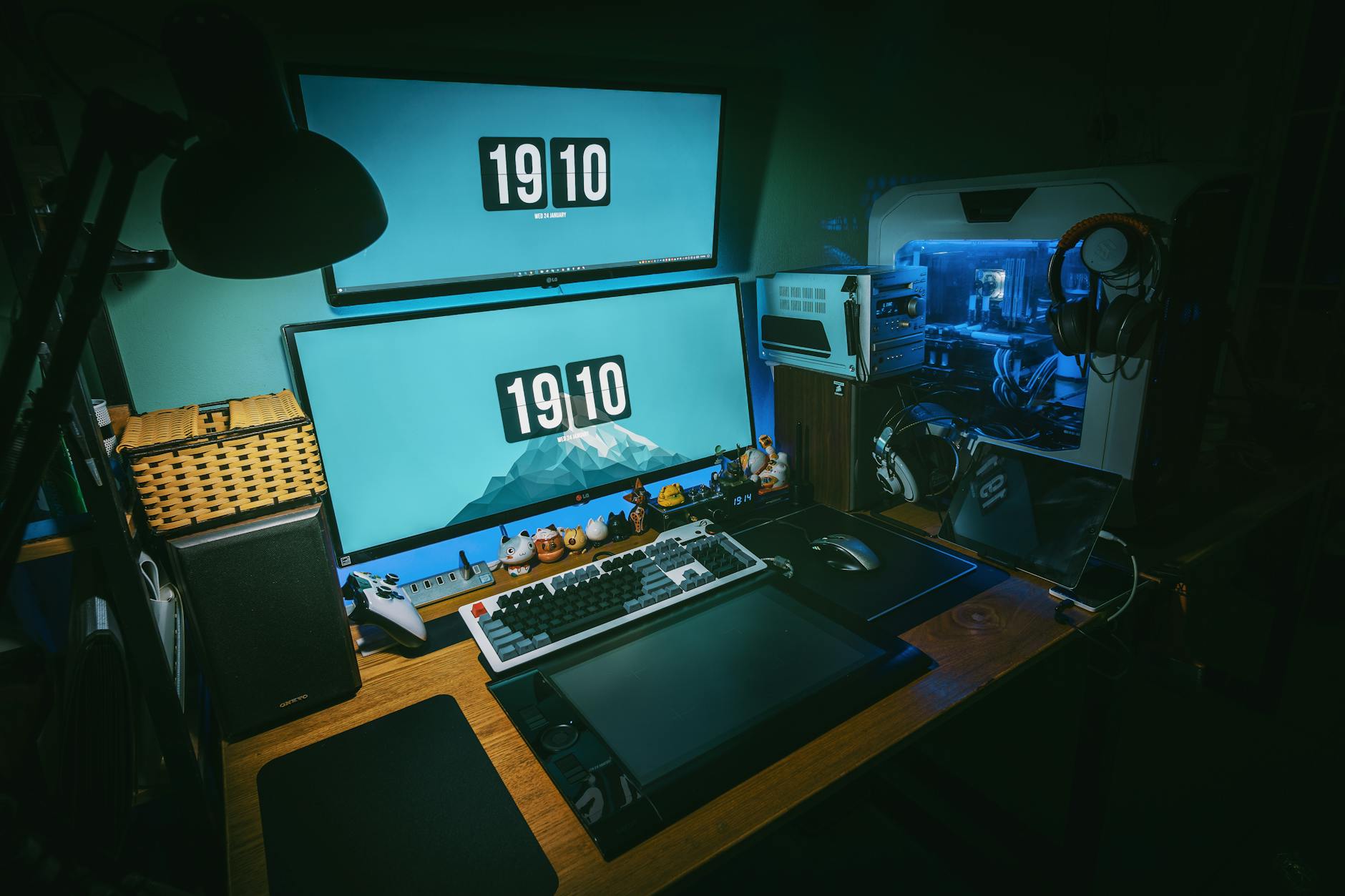
Xbox’s Game Pass is genuinely good value for players who are content renting their library. But a growing segment of budget gamers are noticing that Steam sales, bundles, and the sheer depth of the back catalog make ownership more economical over time. A game bought on Steam stays in a library permanently. It can be played offline, modded freely, and accessed on any PC or on the Steam Deck without re-purchasing. That ownership model has real appeal for gamers who learned hard lessons about digital storefronts closing or subscription prices increasing.
Steam also carries an enormous number of titles that will never appear on Xbox – indie darlings, Japanese releases, legacy titles, and niche genres that Microsoft has little incentive to pursue. The Steam Deck can also run emulators natively through desktop mode, which unofficially expands its library into decades of gaming history. That capability alone makes it attractive to a certain type of budget gamer: one who wants to spend less per game, not more, and who values breadth over the latest AAA tentpole release.
Valve’s approach to the hardware also differs from console makers in one important way: the Steam Deck is an open platform. Users can install Windows, sideload software, connect external monitors and keyboards, and use it as a low-power desktop replacement. Microsoft sells a console that does console things. Valve sells a PC in handheld form, and the flexibility that comes with that distinction is worth real money to technical users who want one device to do many jobs.
For players interested in how Valve is managing its broader gaming ecosystem, the Steam Deck fits into a larger strategy of deepening player investment in the Steam platform rather than any single game or service. The hardware and the storefront reinforce each other – buying a Steam Deck makes players more likely to buy on Steam, which makes the Deck more useful, which makes players less likely to leave for a competing platform.
Xbox’s Response Has Been Software, Not Hardware
Microsoft’s answer to portable gaming has been Xbox Cloud Gaming, a streaming service that requires a stable internet connection and a Game Pass Ultimate subscription. For players in urban areas with fast home networks, it works reasonably well. For players in rural areas, on commutes, or in places with spotty Wi-Fi, it falls apart. The Steam Deck runs games natively, locally, with no internet required after download. That’s a structural hardware advantage that a streaming service cannot replicate regardless of how the software improves.
There’s also a trust gap forming around Xbox hardware investment. Microsoft has spent two years emphasizing that all its first-party games will also come to PC and Game Pass on day one, which logically undermines the case for buying an Xbox console specifically. If everything on Xbox is also on PC, and Steam Deck is a PC, then the Steam Deck already plays Xbox’s best games – many of which land on Steam within a year of console release.
The Budget Gamer’s Actual Calculation
Budget gaming isn’t just about the sticker price of the hardware. It’s about total cost over two to three years: the console, the subscriptions, the games, the accessories. A Steam Deck OLED at $549 with no required subscription, a Steam library built on sales, and no paid online multiplayer fee presents a spending profile that is genuinely competitive with an Xbox Series S plus 18 months of Game Pass. The comparison gets even sharper for players who already have a Steam library and are essentially buying access to games they already own in a portable format.
Xbox Game Studios still produces titles that hold serious weight – Forza, Halo, and the Bethesda catalog carry real loyalty among certain players. And for families with multiple users, a single Game Pass subscription shared across devices remains a practical option that Steam doesn’t really replicate at the same scale. These are real advantages, not theoretical ones.
But the Steam Deck OLED is quietly winning on a specific kind of gamer: the single adult who plays alone, values ownership over subscription, and wants flexibility over ecosystem lock-in. That demographic might not be the majority of console buyers, but it’s large enough to matter, and right now Valve is serving it better than Microsoft is. The fact that Xbox hasn’t announced a competing handheld device – only gestures toward one through licensing and cloud gaming – suggests Microsoft may have already decided that particular fight isn’t worth having on hardware terms.