




Author: Daniel Drake


At 5.6mm, the iPhone Air is Apple’s thinnest phone ever. Its real job is finding out how much buyers will give up for it.

What does a phone company sell when its strongest argument is that you shouldn’t need another one for years? Fairphone has turned that contradiction into a business. Photo by iam hogir / Pexels A Product Built to Be Kept The smartphone industry runs on a rhythm that rarely changes. A new flagship arrives every autumn or spring, carriers wrap it in installment plans, and trade-in credits soften the sticker price. The camera or chip gets a modest bump, just large enough to justify a keynote. The whole system depends on a habit: people replace phones before the old ones actually…
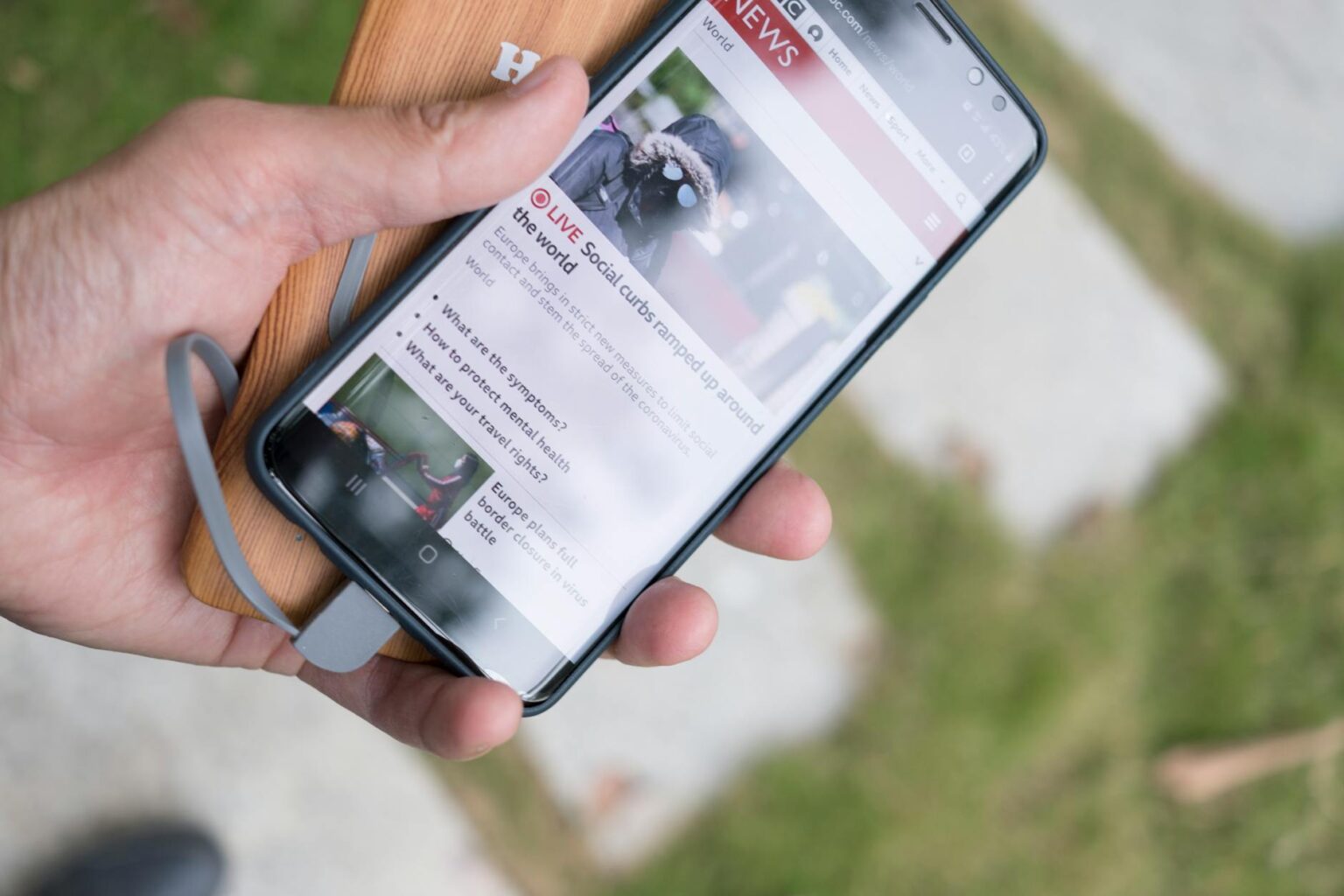
Qualcomm’s Snapdragon 8 Gen 3 chips are finally delivering longer battery life than Apple’s A17 Pro processors in real-world testing scenarios.
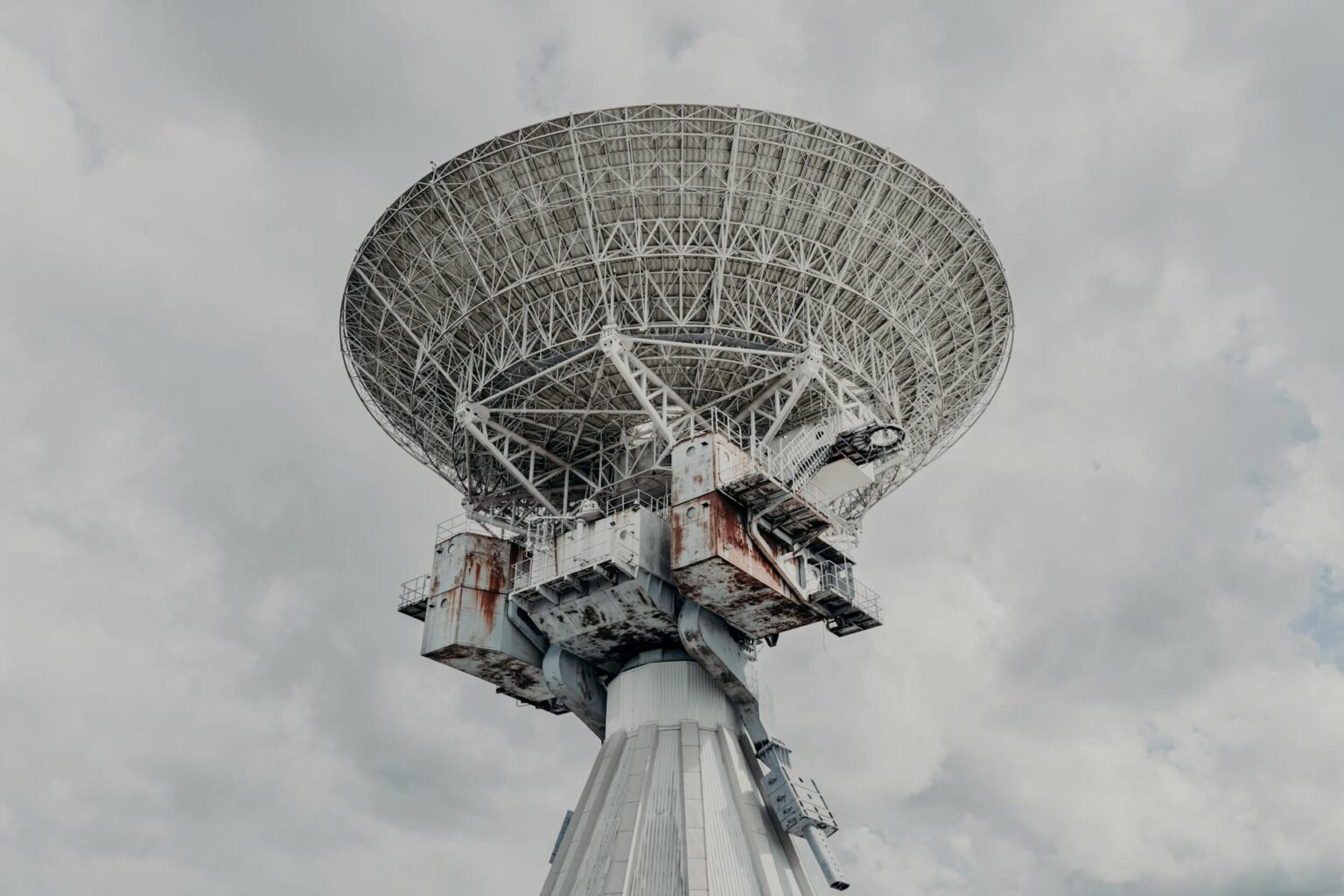
Budget Android phones are gaining satellite messaging capabilities once limited to premium devices, revolutionizing global connectivity for rural and remote users.
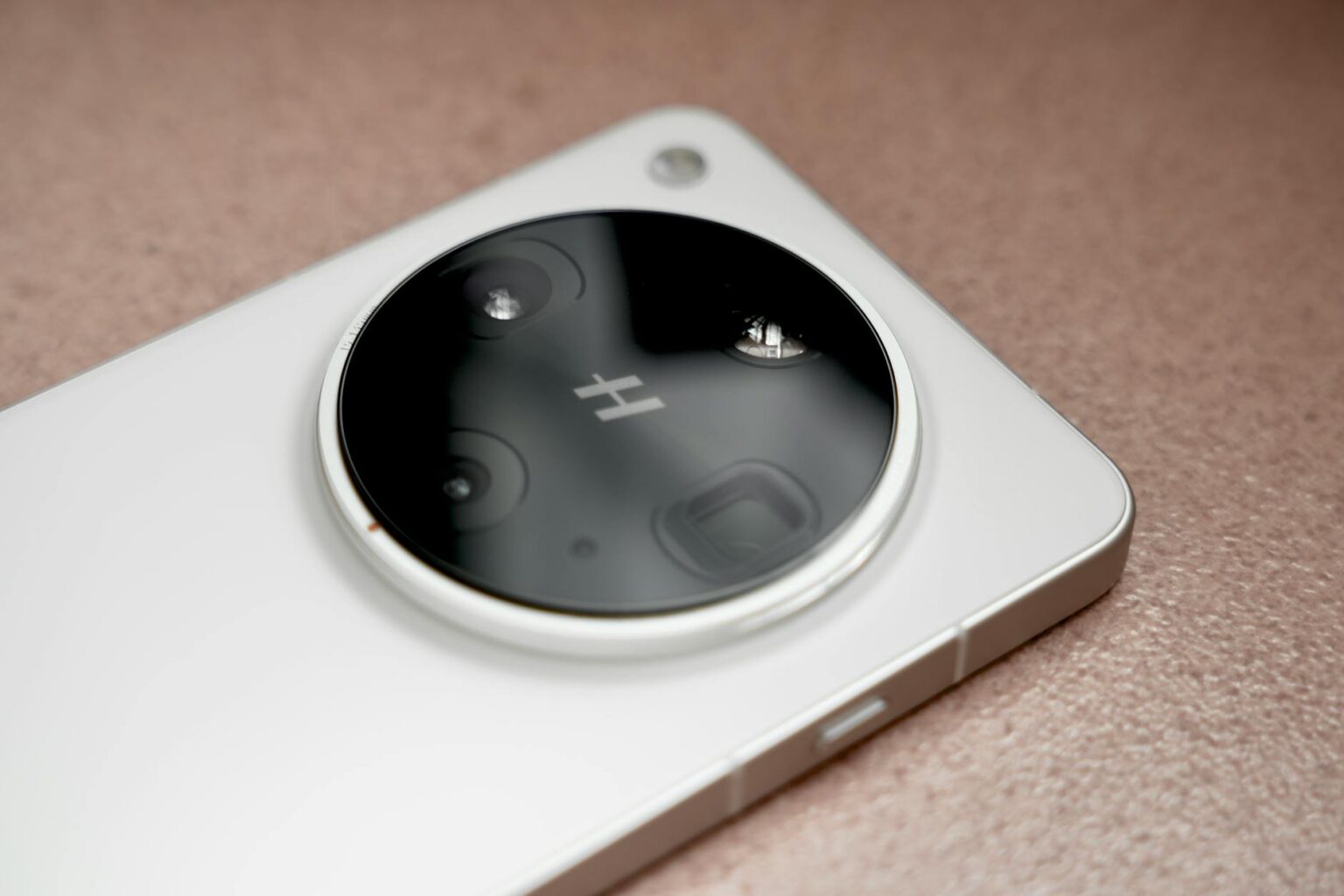
Samsung Galaxy phones are adding dedicated camera shutter buttons similar to iPhone 16 models, reflecting growing demand for tactile photography controls in flagship smartphones.
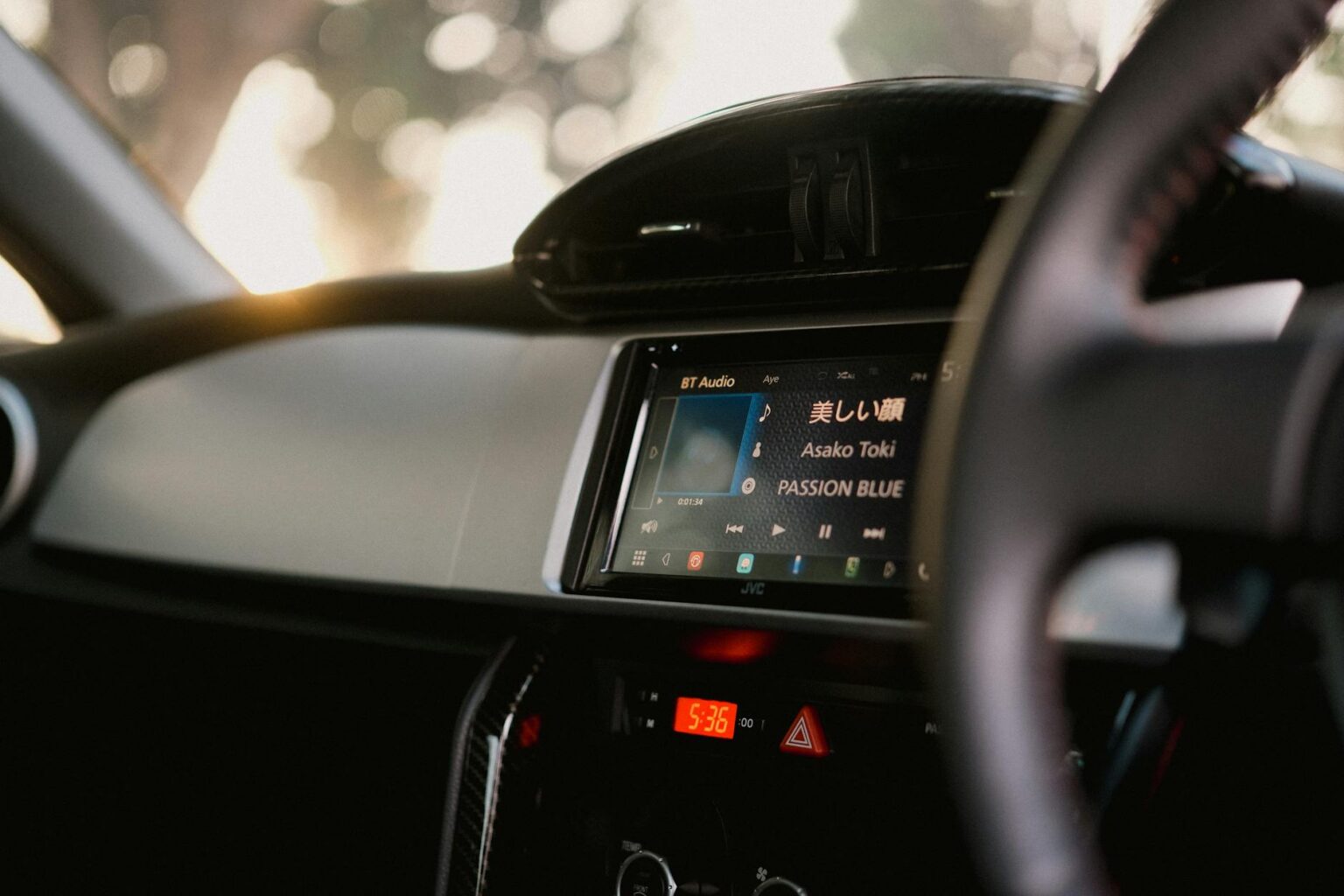
Apple prepares to open CarPlay to third-party developers for the first time, introducing an app store model that could transform in-car computing.
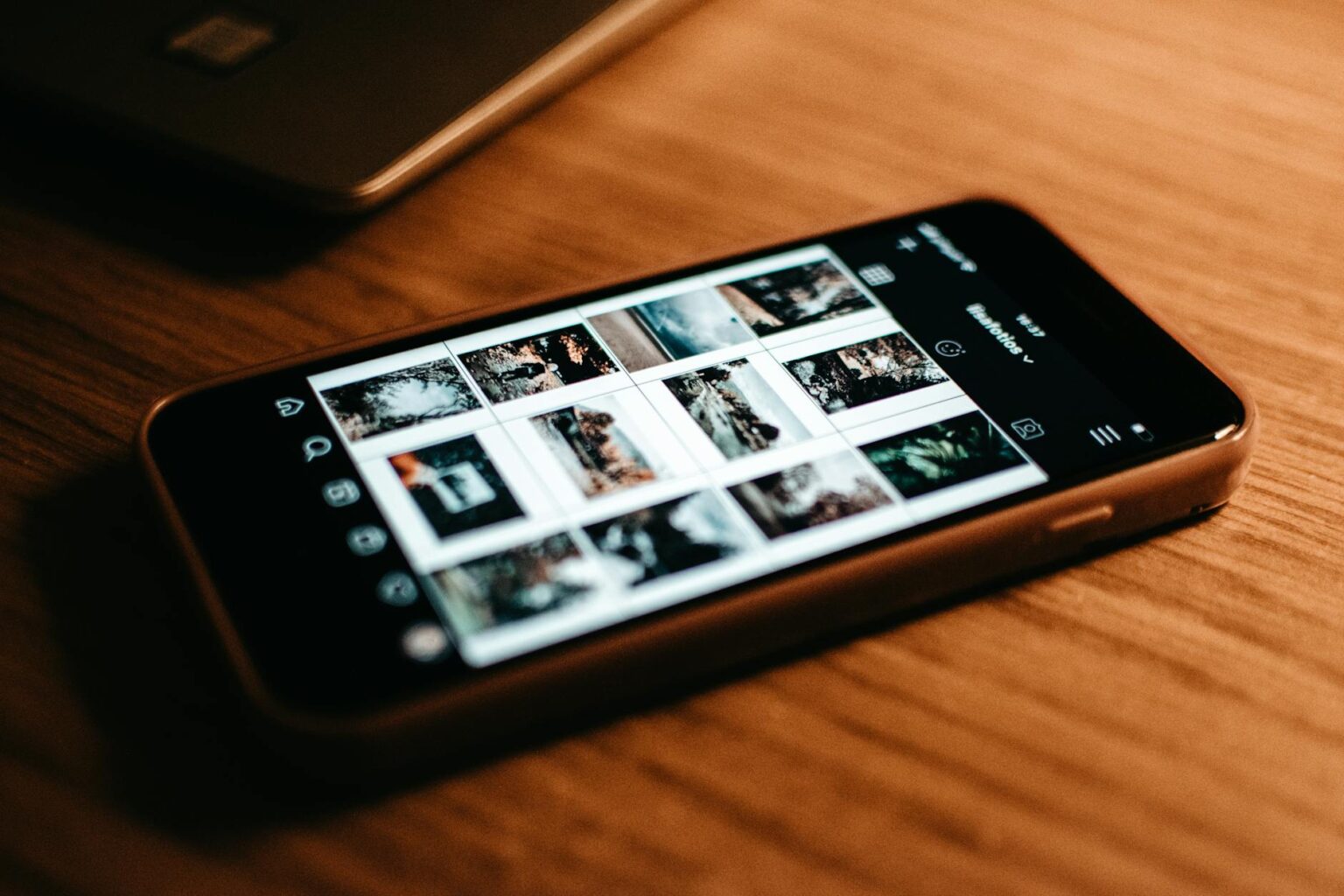
Android manufacturers are rapidly adopting Dynamic Island-style features, with Samsung, OnePlus, and Xiaomi creating their own versions of Apple’s interactive notification hub.
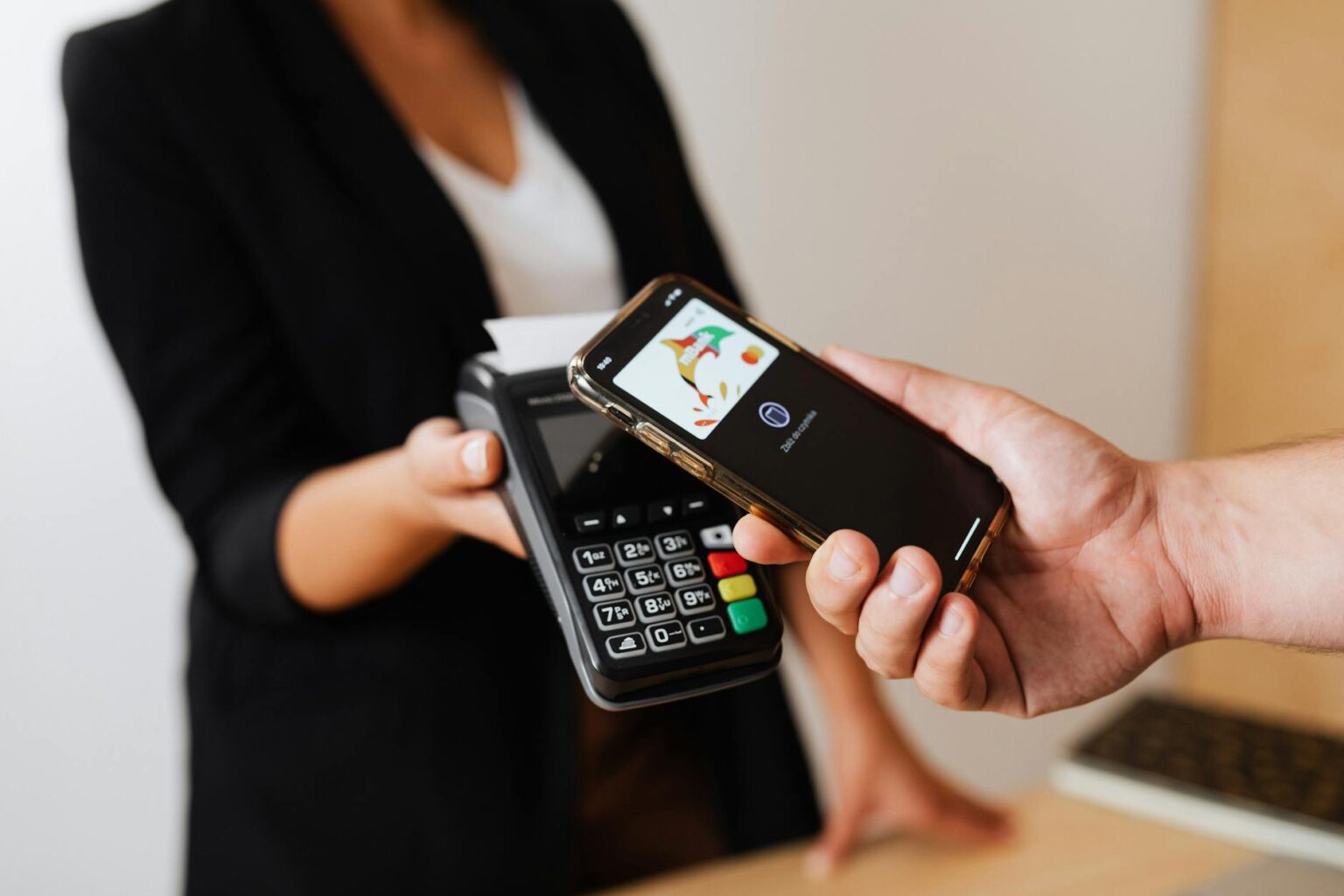
iPhone users increasingly abandon traditional banking apps for Apple Wallet’s streamlined financial management, forcing banks to adapt or integrate.
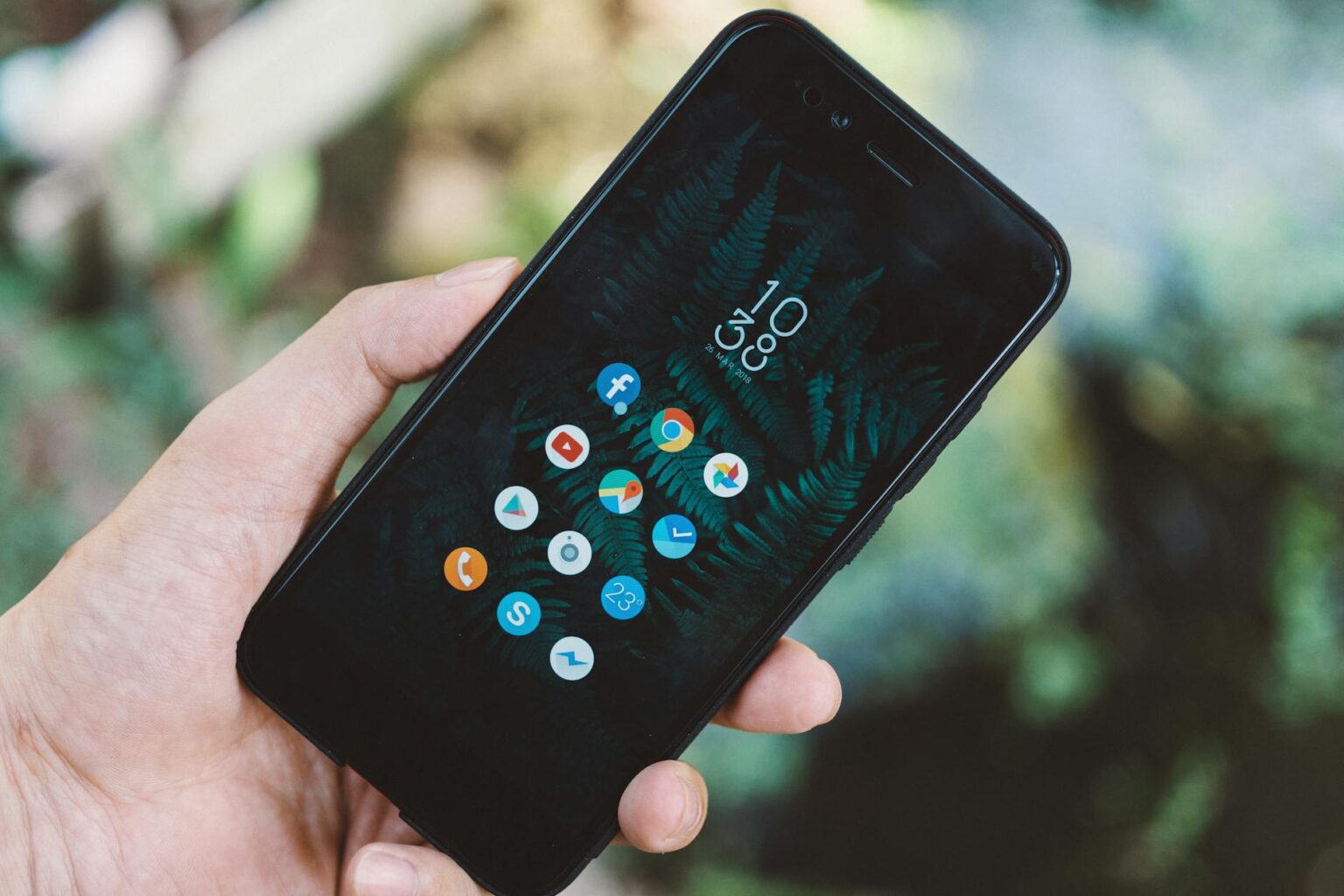
Dedicated camera buttons are returning to flagship smartphones as manufacturers respond to user demands for instant photo access and professional controls.

Foldable tablets are capturing 30% of corporate device purchases as businesses ditch traditional laptops for flexible, dual-purpose devices that boost productivity and reduce costs.