




Author: Emma Flynn


Silent Hill 2 remake buzz is fading, and players are turning back to Silent Hill: Homecoming. Here’s why the 2008 entry is getting a second look.
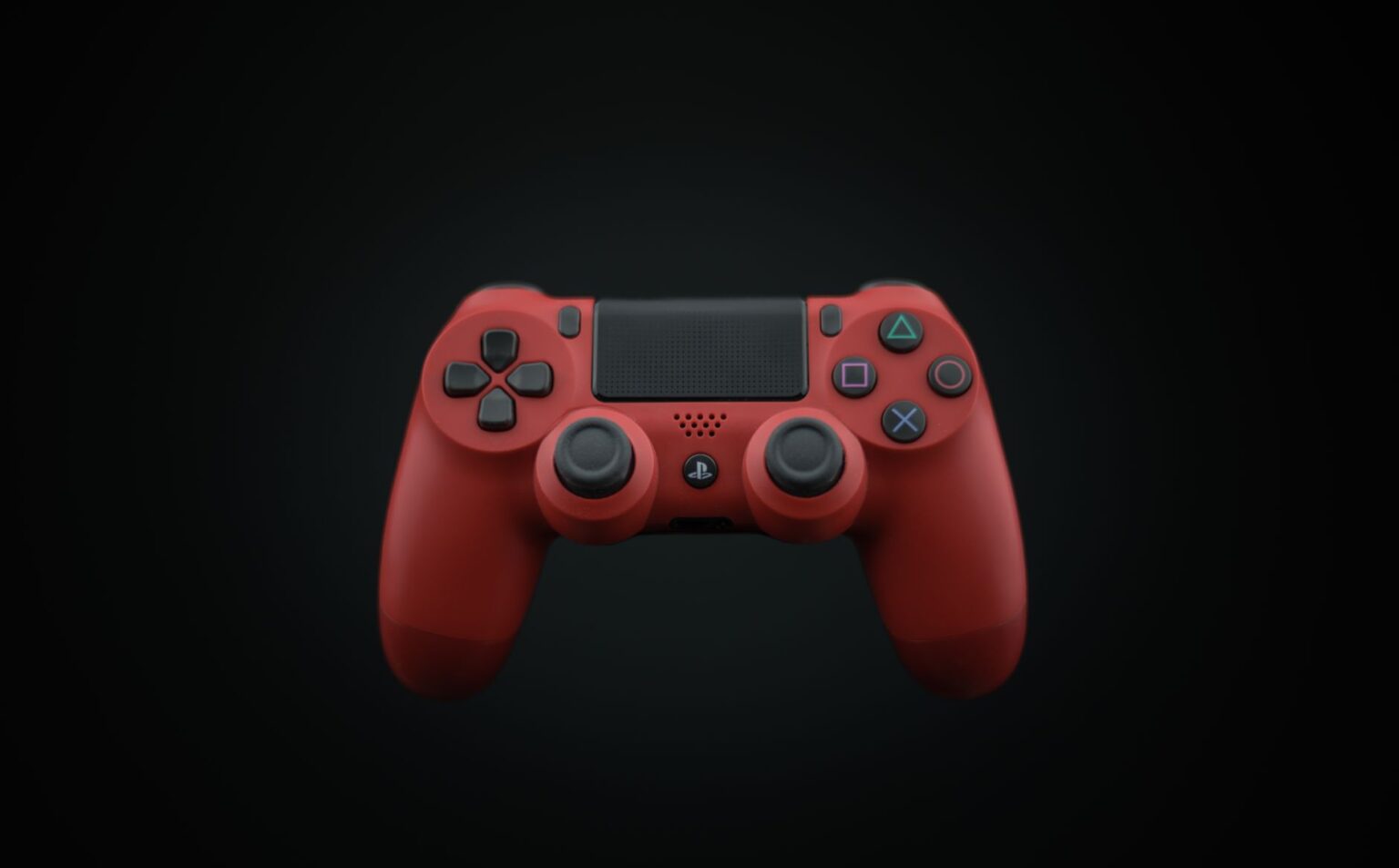
Metroid Prime 4’s looming release is stalling Dread replays as fans hold off, plan hardware upgrades, and debate whether to replay the Prime trilogy first.

Bandai Namco’s silence on Soul Calibur’s future is driving players back to Soul Calibur VI, with lobbies, tournaments, and online activity all picking back up.
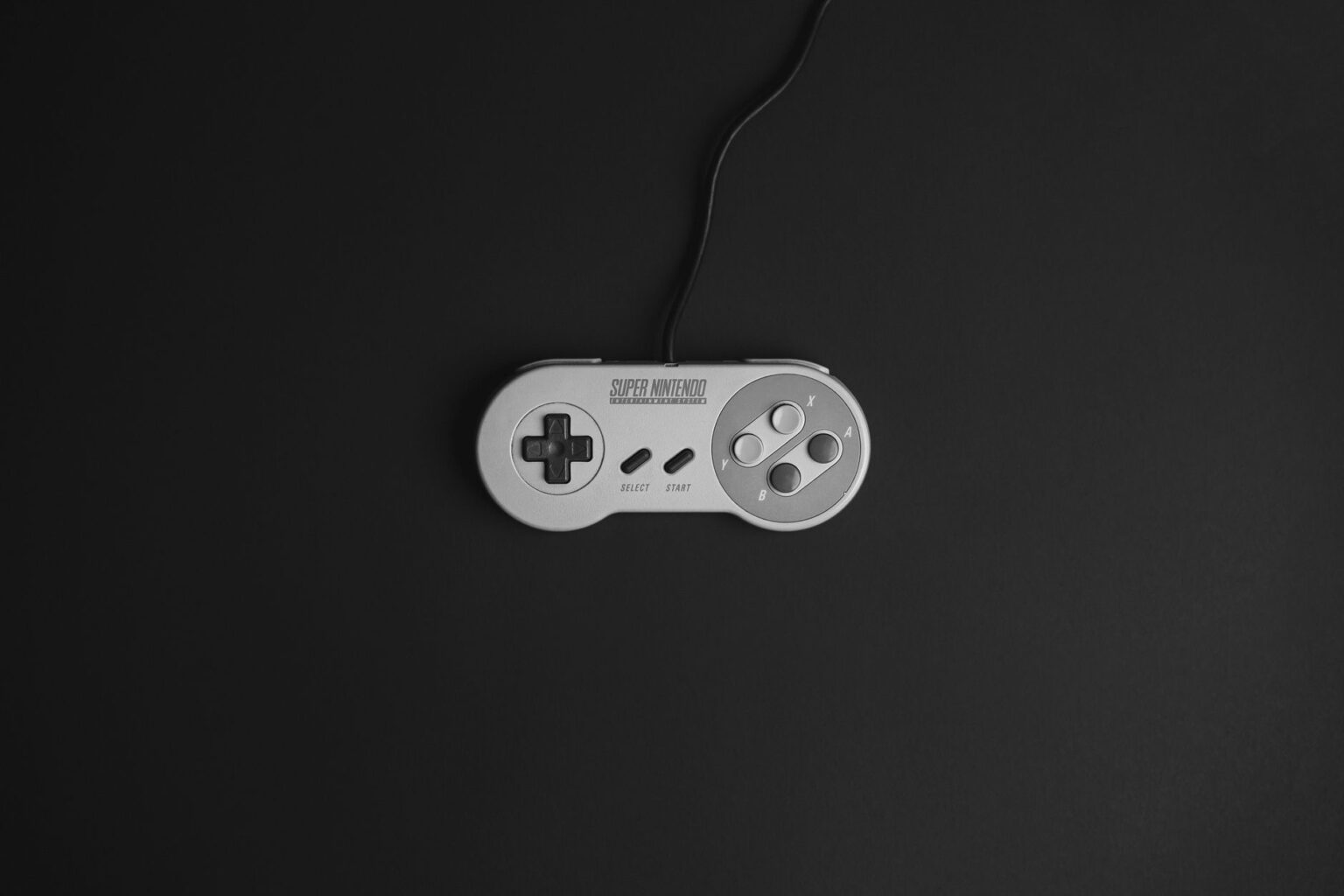
Riot’s prolonged 2XKO silence is driving fighting game fans straight into Guilty Gear Strive lobbies, giving Arc System Works an unexpected player surge.

Naughty Dog’s silence on The Last of Us Part III is pushing players back to Part II, driving replays, speedruns, and completions years after launch.
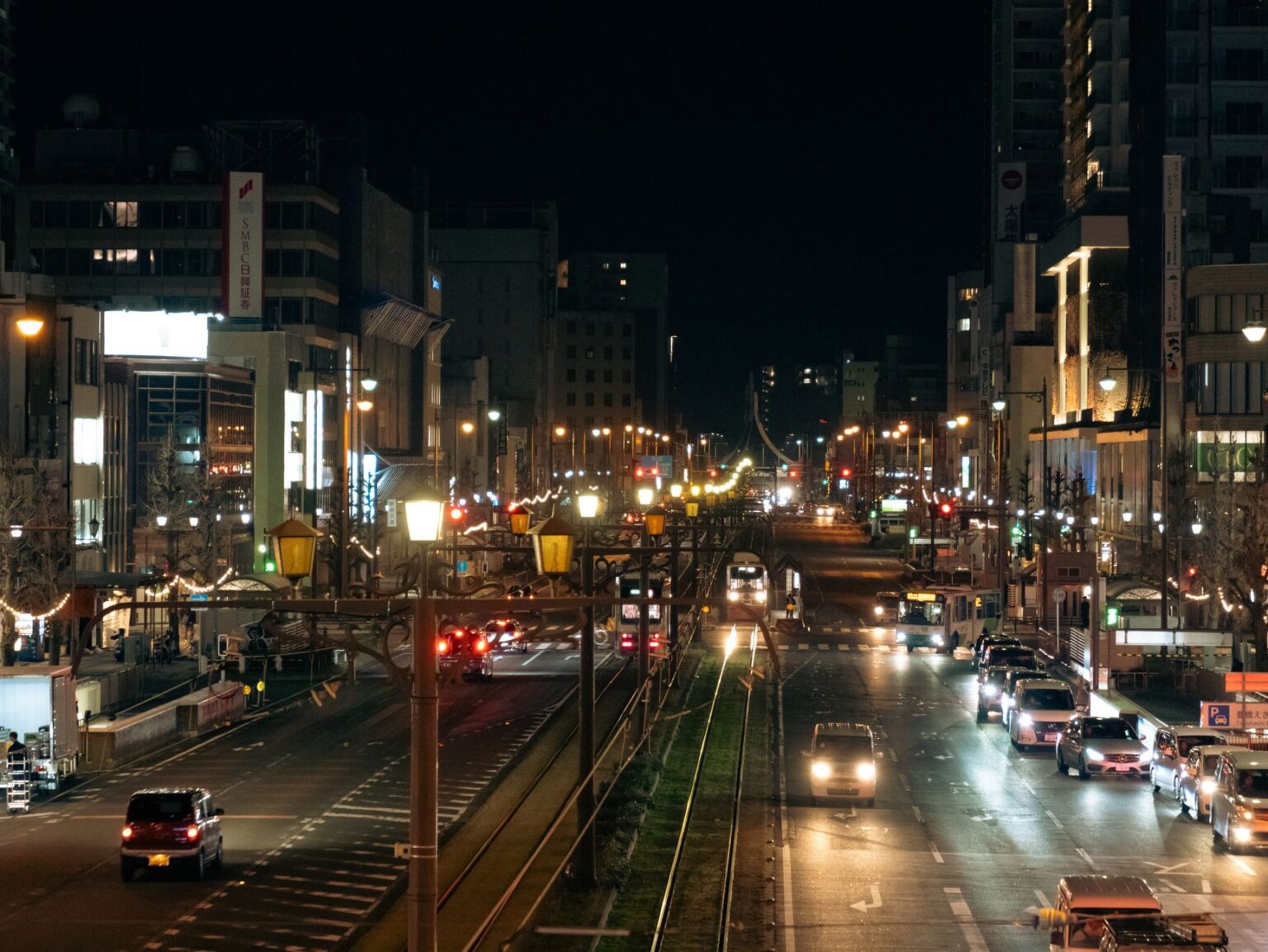
With no Yakuza: Infinite Wealth DLC in sight, fans are returning to Yakuza: Ishin! – and the back catalog is proving a surprisingly strong holding pattern.
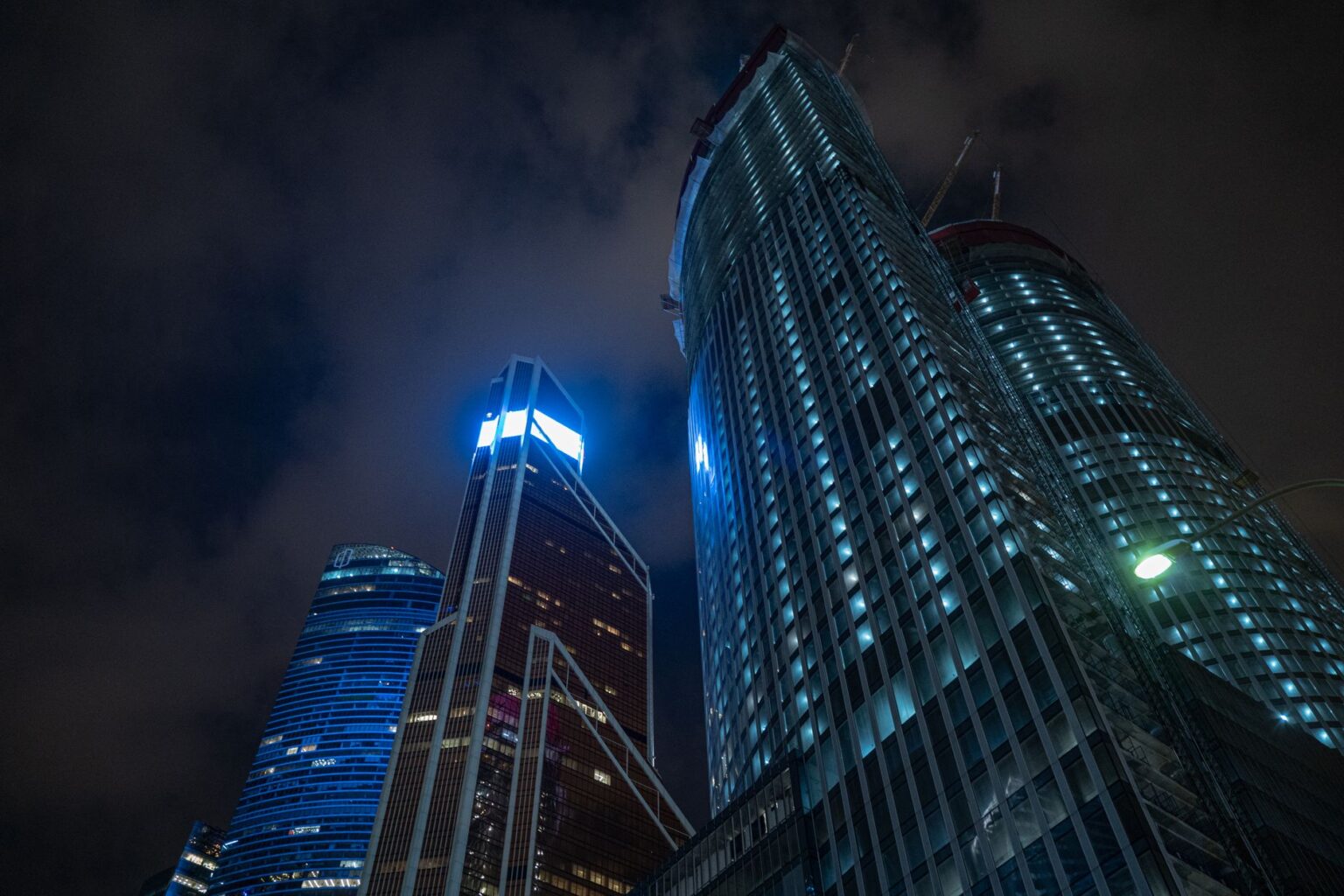
Capcom’s prolonged Pragmata silence is pushing fans toward Remedy’s Control – a game that mirrors its tone, mystery, and atmosphere almost beat for beat.
Suicide Squad’s server shutdown is pushing fans back to Arkham Knight, and the 2015 game is holding up better than anyone expected.
Obsidian’s post-launch silence on Avowed DLC is pushing players back to Pillars of Eternity II: Deadfire. Here’s what that pattern signals.
Housemarque’s extended silence on a Returnal sequel is driving players back to Atropos, with communities surging in activity despite zero official news.