




The Waiting Game Nobody Asked For
Ubisoft has gone quiet on Prince of Persia: The Sands of Time Remake – and not for the first time. The project, first announced in September 2020, has cycled through multiple delays, a studio handoff from Ubisoft Pune and Mumbai to an undisclosed internal team, and a near-total communications blackout that has lasted well over a year. No release window. No new screenshots. No acknowledgment that the game still exists in any form that resembles what players were shown.
That silence is doing something unexpected: it is pushing players back to the 2003 original.
Speedrun communities, casual replays, and YouTube longplay uploads of the original Sands of Time have all seen renewed activity in recent months. The pattern is becoming familiar in gaming – when a publisher goes dark on a beloved IP, the fanbase does not simply wait. It goes back to the source material, sometimes obsessively.
Why the Original Still Holds
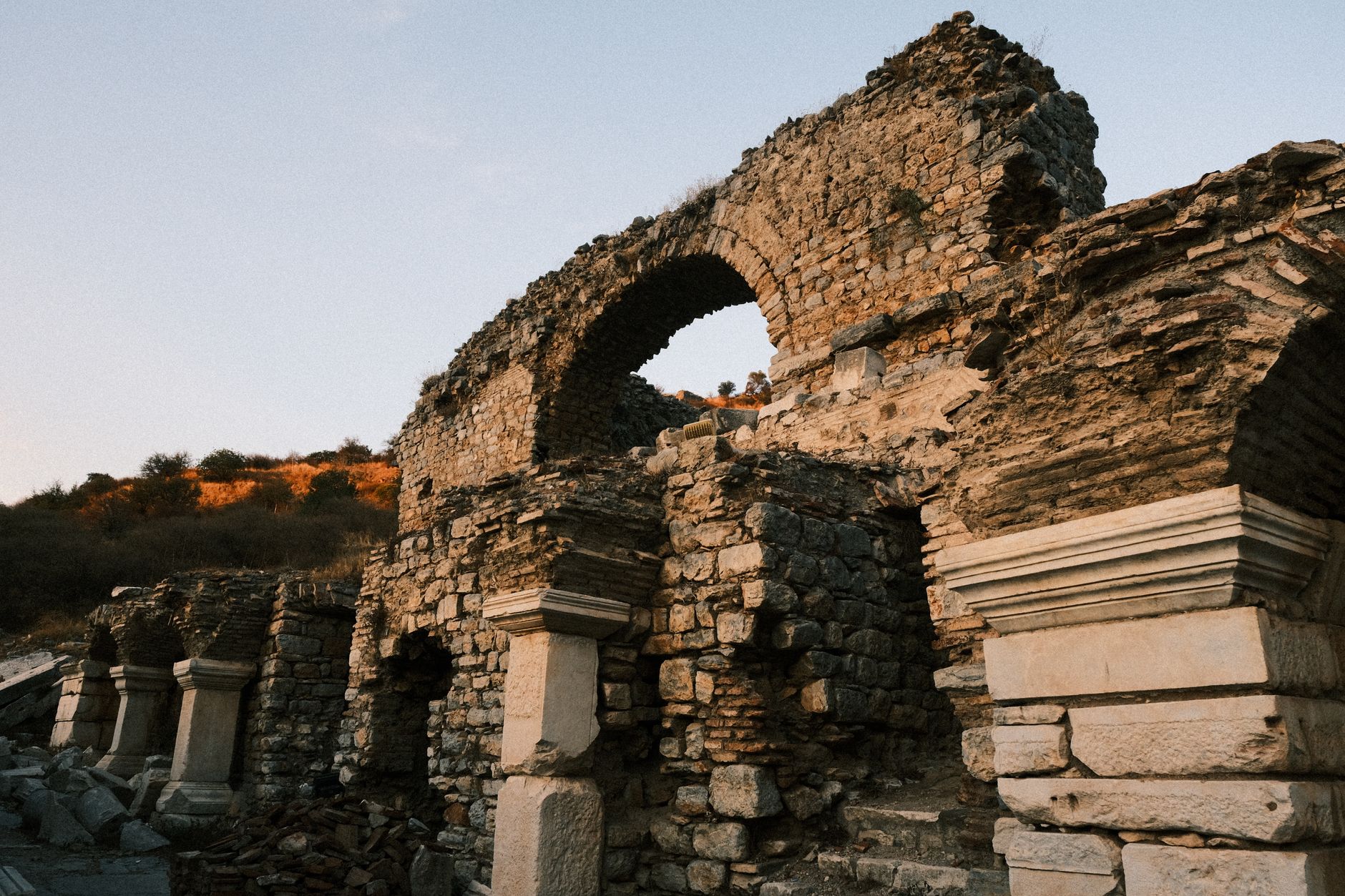
The 2003 Prince of Persia: The Sands of Time was built around a single mechanical idea – the Dagger of Time – and it executed that idea with a focus that most action-adventure games still struggle to match. Rewinding time to undo a death or a mistimed jump was not just a gimmick; it was woven into the puzzle design, the combat, and the pacing of the entire campaign. The game trusted players to fail, then course-correct, then fail again. That loop has aged better than almost anything from the same era.
The platforming, by contrast, is showing its age in all the expected places. Camera control is awkward by modern standards, some wall-run sequences require pixel-precise timing that feels punishing rather than satisfying, and the combat against sand creatures in closed arenas can turn repetitive by the third act. None of this is stopping people from playing it. If anything, the rough edges seem to be part of the appeal right now – a reminder of what the remake was supposedly going to fix.
Speedrunners in particular have found renewed energy around the title. The any-percent route for the PC version sits under an hour for top runners, but the community has been more interested lately in the category debates around what constitutes a valid run – specifically whether certain memory manipulation techniques on older versions of the game should be separated into their own bracket. These are not the conversations of a dead community. This is active curation.
What Ubisoft’s Silence Actually Signals
The remake’s development history is genuinely unusual even by the standards of troubled projects. The original reveal used pre-rendered footage that bore little resemblance to gameplay. Early builds shown to press were widely described as unpolished to a degree that suggested the project was far earlier in development than the announcement implied. Ubisoft then quietly moved the project away from the studios that announced it, with no public explanation of scope, timeline, or what had changed creatively. That kind of institutional silence usually means one of two things: the project is being rebuilt from scratch, or it is being held until something changes in the broader release calendar.
Neither scenario is reassuring for fans who have been waiting since 2020. The remake was priced at full retail before a single delay, which created goodwill problems that the radio silence has only deepened. This is a pattern worth comparing – Saber Interactive’s Space Marine 3 silence is sending players back to Chaos Gate in almost identical fashion, where prolonged uncertainty about a sequel drives engagement with older titles in the same IP. The audience does not disappear. It relocates.
For Ubisoft specifically, the optics are complicated by the company’s broader struggles over the past two years. Skull and Bones underperformed. XDefiant was shut down. Assassin’s Creed Mirage was received warmly but not as a major commercial event. The company has been publicly discussing structural changes, cost reductions, and a sharper focus on core franchises. Prince of Persia sits in an ambiguous position in that framework – beloved by a certain generation of players, but not a franchise with recent commercial momentum to justify anything but cautious development.
The Return to 2003
What is happening in streaming and community spaces right now captures something about how nostalgia functions when it is activated by frustration rather than pure affection. People are not going back to Sands of Time because they forgot how good it was. They are going back because the version they were promised has not arrived, and the original – flaws and all – is the closest thing available to that promise.
First-time players are also encountering the game through video essays and retrospectives that have positioned it as a foundational text for the action-adventure genre. That framing matters. A 20-year-old game described as historically significant attracts a different audience than one described merely as old. The storytelling, specifically the narration device where the Prince recounts events that the player is actively experiencing, still reads as genuinely clever – a structural trick that very few games have successfully replicated since.

The 2003 game’s two direct sequels, Warrior Within and The Two Thrones, are getting less attention in this current wave, which is telling. The nostalgia here is specific. Players are not returning to the Prince of Persia franchise broadly. They are returning to the precise game that the stalled remake was supposed to honor – and whatever Ubisoft eventually releases, it will be measured against a version of that game that four years of silence has allowed people to rebuild in memory as something close to perfect.