





The Waiting Game Valve Never Intended to Play
Half-Life 3 has become the internet’s longest-running joke, a punchline so durable it has outlasted console generations, corporate acquisitions, and at least two major gaming industry crashes. Valve has said nothing. No teasers, no denials, no cryptic social media posts – just an absolute wall of silence that somehow grows louder every year. And that silence, paradoxically, is pulling players back into Half-Life: Alyx in numbers that suggest the 2020 VR title is having a quiet second life.
The pattern makes a strange kind of sense. When a sequel feels indefinitely frozen, fans stop waiting at the door and start walking back through rooms they already know. Alyx – which launched as a VR-exclusive and initially split the community over that very limitation – is now being revisited by players who either skipped it the first time, shelved it after a single run, or simply want to be inside the Half-Life world again because nothing new is coming to fill that space.
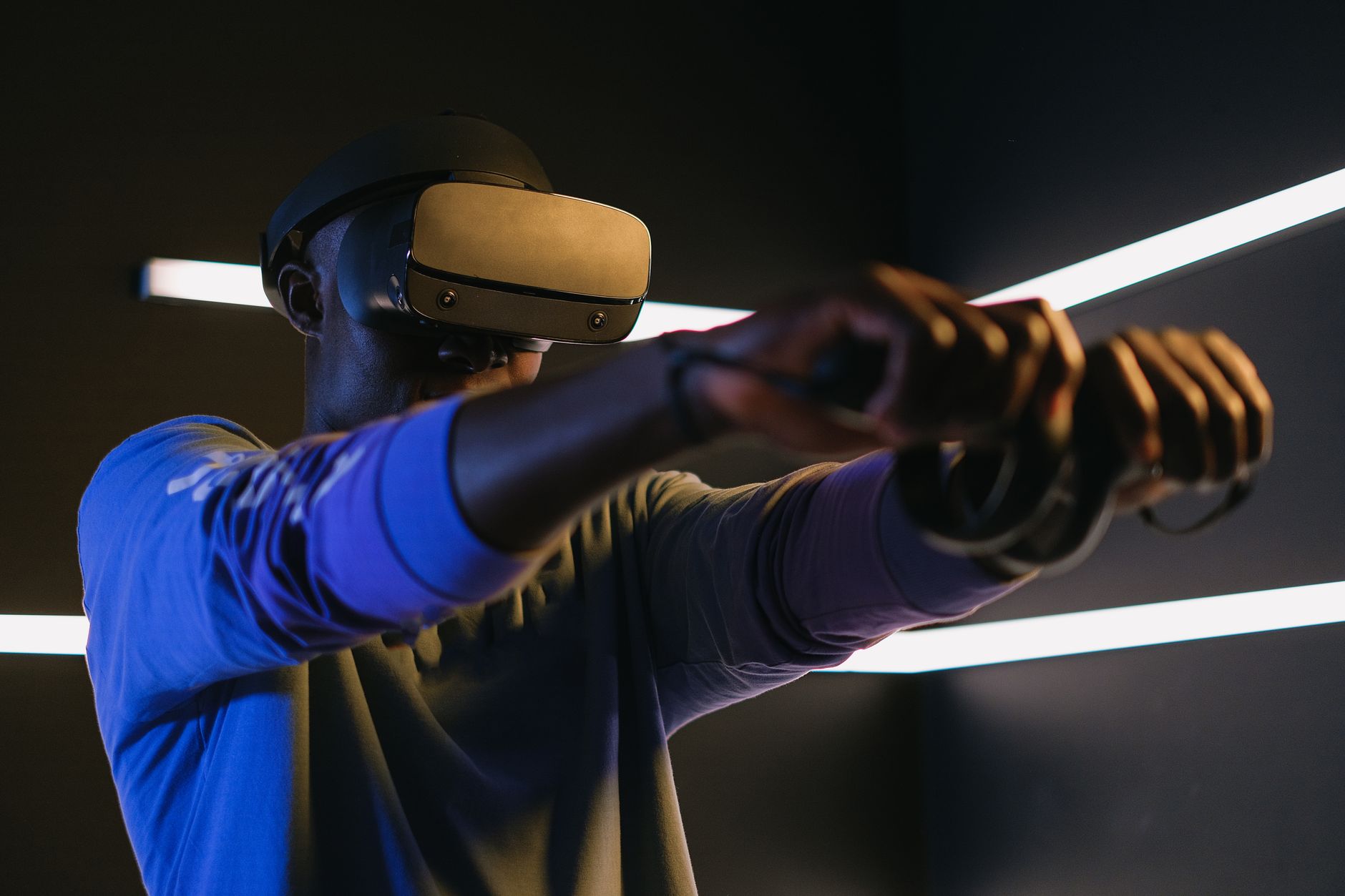
Why Alyx Is Benefiting from the Drought
Half-Life: Alyx was genuinely well-received at launch, but its install base was always constrained by VR hardware adoption. The game was not something you could just fire up on a Tuesday night without a headset strapped to your face. That friction kept it from reaching the same saturation as earlier entries in the series. But VR headset ownership has grown since 2020, and the cost of entry – while still not cheap – has come down considerably across the mid-range tier of devices. The result is that a meaningful pool of players who wanted to play Alyx but lacked the hardware are now in a position to try it.
Beyond new hardware owners, there is another wave: returning players who completed Alyx once and moved on, now circling back. The game’s ending carries significant narrative weight, and with no follow-up announced, that ending hangs in the air unresolved. Replaying Alyx becomes less about nostalgia and more about re-examining what Valve left on the table – searching the seams of the story for implications that might point somewhere, even when the developer has given no indication anything is coming.
The Mod Scene Is Doing Heavy Lifting
One of the most concrete reasons for Alyx‘s renewed activity is the modding community, which has expanded the game well past its original boundaries. Valve shipped Alyx with full Source 2 modding tools, and that decision is paying dividends years later. Community-built campaigns, chapters, and experimental scenarios have given returning players fresh content to move through, which changes the calculus from “why replay something I already finished” to “there’s genuinely new stuff in here.”
Some of the standout community maps replicate the aesthetic of classic Half-Life 2 locations in VR, which hits a specific nerve for long-time fans. Walking through a VR reconstruction of City 17, even an unofficial one, scratches the itch that Valve itself refuses to address. It is fan work carrying load that should belong to the developer, and the community seems fine with that arrangement, at least for now.
The modding boom also keeps Alyx visible in streaming and content creation spaces. When a new notable mod drops, the game re-enters discovery queues on Steam and gets covered in the gaming press cycle. Each of those moments functions like a soft re-release – a reason for algorithm-driven recommendation systems to surface the game to players who may have forgotten it existed or never clicked on it the first time. Valve benefits from this entirely passively.
This is not entirely unlike what has happened with other titles left in narrative limbo. CD Projekt Red’s silence around the Cyberpunk 2077 sequel has pushed players back into Phantom Liberty for similar reasons – the absence of new content redirects attention toward what already exists, and strong mod ecosystems keep that content feeling alive.
The Half-Life 3 Conversation Never Really Stopped
Social media cycles around Half-Life 3 speculation with the regularity of tidal patterns. Every Valve hire, every Source 2 update, every stray comment from a developer surfaces somewhere and gets dissected. The speculation itself is the content now – hours of YouTube video essays, Reddit threads cataloguing story breadcrumbs, Discord servers dedicated to parsing what Valve’s silence could mean. None of it is based on anything Valve has confirmed. All of it keeps the franchise in active cultural conversation.
This ambient hype has a direct effect on Alyx. Someone new to Half-Life who stumbles into one of those YouTube rabbit holes and spends three hours watching lore videos is not going to boot up a 2004 game as their entry point. Alyx, visually polished and mechanically modern, becomes the natural landing spot. The speculation pipeline converts curious newcomers into Alyx players without Valve spending a dollar on marketing.
What Valve’s Silence Actually Signals
Valve operates on its own timeline, and the company has been open in the past about its resistance to announcing projects before they are ready. Gabe Newell has spoken publicly about how pre-announcement pressure distorts development – a philosophy that explains the silence without confirming anything about what is actually being built. The problem is that the longer the gap extends, the more weight each passing month adds to community expectation. Whatever comes next in the Half-Life series will arrive into an environment of extreme anticipation.
That pressure cuts both ways. If Valve does release something – whether a direct Half-Life 3 or another lateral entry like Alyx was – it faces a reception shaped by years of compounding expectation. The studio has historically managed that by releasing products that redefine expectations rather than simply meet them, but that is a difficult bar to clear repeatedly. Alyx managed it partly because it existed in a medium where comparisons were harder to make. A mainline sequel has no such shelter.

For now, the loop continues: Valve says nothing, the community generates its own content and conversation, and Alyx collects players who have nowhere else to go in this universe. It is not a growth strategy anyone designed. It is what happens when a developer builds something genuinely good and then walks out of the room. Whether Valve views the Alyx resurgence as validation of patience or simply does not notice, the players working through the game’s final chapter right now are hoping the door opens on something other than silence when they finish.