





The Windows Monopoly on PC Gaming Is Cracking
For decades, the PC gaming market operated on a simple, unspoken agreement: if you wanted to play games, you ran Windows. Publishers signed exclusivity deals, developers optimized for DirectX, and Linux users were treated as a niche afterthought. Valve’s Proton compatibility layer – and the Steam Deck that brought it mainstream attention – has started dismantling that assumption faster than anyone in the industry expected.

How Proton Actually Works – and Why It Matters Now
Proton is not an emulator. That distinction matters more than it might seem. Emulators simulate hardware; Proton is a compatibility layer that translates Windows API calls into something Linux can process natively. Built on top of Wine and extended with Valve’s own modifications, it intercepts DirectX calls and converts them to Vulkan in real time, meaning games run on the actual hardware at close to native performance. The overhead is real but often small enough that most players never notice it.
When Valve first pushed Proton publicly in 2018, the gaming press largely treated it as a curiosity. A tool for Linux hobbyists, maybe. The compatibility list was short, performance was inconsistent, and anti-cheat software – one of the biggest gatekeepers in multiplayer gaming – refused to cooperate with it almost universally. Publishers had no reason to care. Their Windows install base was enormous, and supporting another platform meant extra QA costs with minimal return.
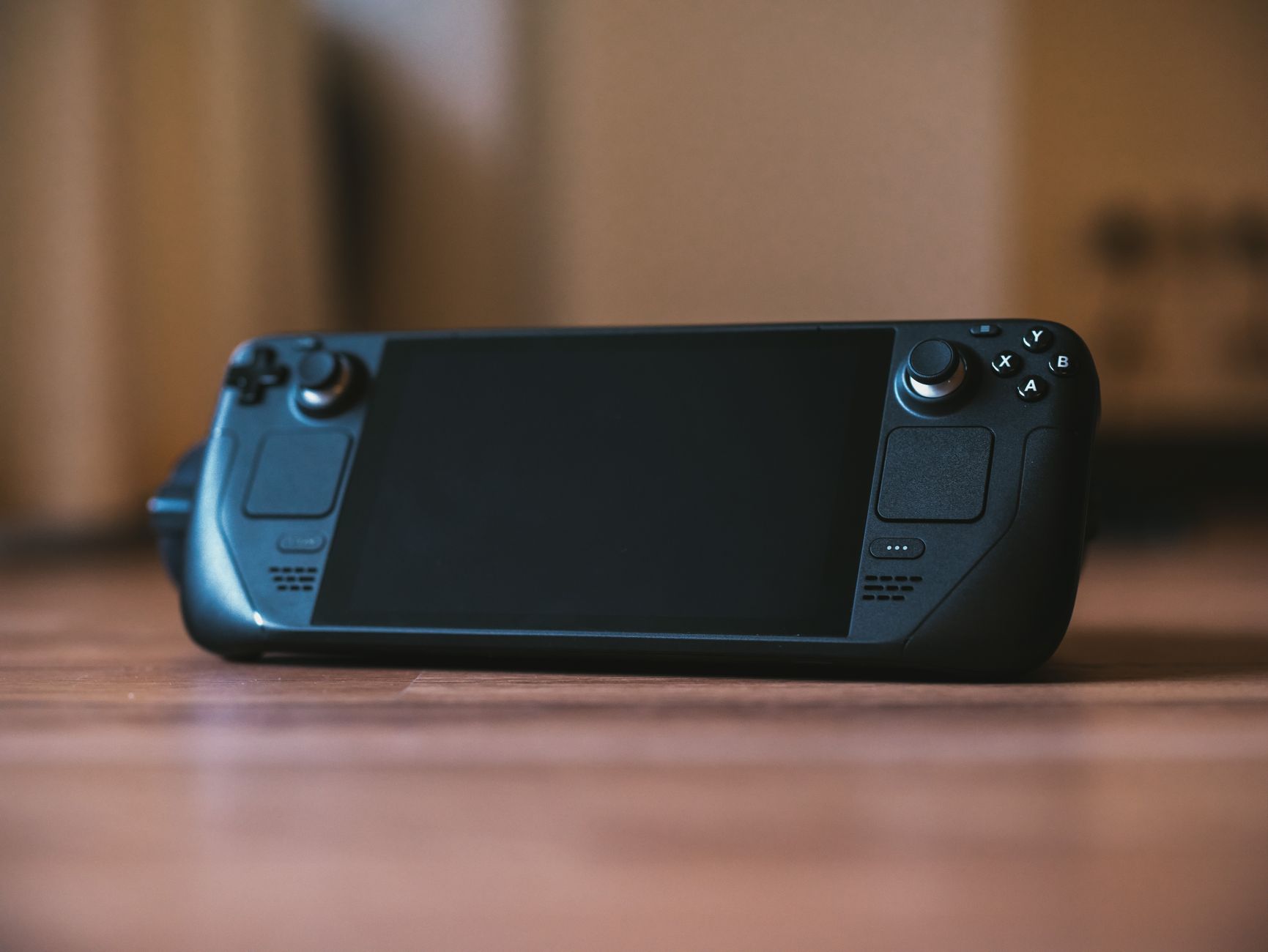
The Steam Deck changed the calculation entirely. Suddenly Proton was not a passion project for power users running Arch Linux on custom rigs. It was the backbone of a consumer device that shipped to hundreds of thousands of players who had no idea they were running Linux. When those players loaded up their libraries and found that the majority of their games worked without any configuration, the conversation around Windows dependency shifted from theoretical to practical.
Valve has been relentless about improving compatibility since the Deck launched. The team regularly patches Proton to handle new releases, and the community-driven ProtonDB database tracks compatibility reports across thousands of titles. A game launching with a “Verified” status on Steam Deck now carries weight – it signals that Proton has matured enough to handle even recent releases at launch, not just older back-catalog titles.
What This Does to “Windows-Only” Game Deals
The traditional logic behind a Windows-exclusive game deal was straightforward: Windows controls the overwhelming majority of gaming PCs, so exclusivity on that platform effectively meant exclusivity everywhere that mattered. A publisher offering a timed Windows exclusive to a hardware vendor or a storefront was offering something genuinely meaningful – they were locking out competing ecosystems by default. Proton dissolves that logic, because a game running only on Windows can now run just as well through the compatibility layer on a Linux system, including the Steam Deck.
The anti-cheat situation, long the most legitimate obstacle to Proton’s reach, has softened considerably. Epic Games updated Easy Anti-Cheat to support Proton. BattlEye followed. Those two solutions cover a significant portion of the multiplayer titles that previously sat behind an impenetrable wall for Linux users. There are still holdouts – some publishers have chosen to keep native anti-cheat integrations that don’t cooperate with Proton – but the argument that “multiplayer games simply can’t run on Linux” no longer holds across the board.
Consider what this means for storefronts trying to negotiate Windows-exclusive launch windows. If a game ships on a competing PC storefront as a Windows exclusive but appears in a player’s Steam library, Proton will often run it anyway. The exclusivity window applies to where the game is sold and officially supported, not necessarily where it can be played. That erodes the value proposition of these deals without any legal violation – Proton isn’t circumventing DRM or licensing agreements, it’s just translating system calls.
Hardware vendors have noticed. The portable gaming hardware market is increasingly interested in Linux-based operating systems precisely because they sidestep Windows licensing costs while still accessing the Steam catalog via Proton. A growing number of handheld PC gaming devices from manufacturers other than Valve ship with Windows, but some are experimenting with SteamOS-adjacent configurations. Every one of those devices strengthens the case that Windows exclusivity is a shrinking advantage.
Publishers who have built their marketing around Windows-first launches are watching this carefully. The guaranteed reach that a Windows launch once represented has narrowed – not because Windows is losing desktop market share in any dramatic way, but because the Linux gaming audience is no longer negligible. Steam hardware surveys show Linux usage on the platform has climbed steadily since the Steam Deck launched, and that number only reflects users who have opted into Valve’s survey system. The real figure is almost certainly higher.
The Pressure Building on Microsoft
Microsoft’s position here is uncomfortable. Windows remains dominant on the desktop, and Xbox Game Pass gives the company another layer of platform control. But Proton creates a scenario where the operating system itself becomes less relevant to where games are sold and played. Microsoft has historically used DirectX as a soft tether keeping developers inside its ecosystem – games built on DirectX were Windows games almost by definition. Vulkan, which Proton relies on heavily, breaks that tether. A developer building on Vulkan from the start faces no technical barrier to shipping on Linux, and Proton makes even legacy DirectX games workable on competing platforms.

The immediate future of Windows exclusivity deals likely involves more scrutiny from publishers asking whether those deals deliver the return they once did. A timed exclusivity window that cost a publisher access to the Steam Deck audience – and whatever SteamOS-based devices follow – is a different calculation than one that only locked out a small group of Linux desktop enthusiasts. Whether publishers start demanding higher fees to justify that lost reach, or whether they start walking away from Windows-exclusive arrangements altogether, depends largely on how much faster Proton’s compatibility list grows over the next year or two. Right now, that list is growing very fast.
Frequently Asked Questions
Does Proton run all Windows games on Linux?
Not all, but compatibility has expanded dramatically. The ProtonDB community database tracks thousands of titles, and Valve’s “Verified” rating means a game runs reliably on Steam Deck without manual configuration.
Does using Proton violate any game licensing agreements?
No. Proton translates system calls rather than bypassing DRM or licensing systems, so running a Windows game through Proton on Linux does not breach standard end-user agreements.