




The Wait That Never Ends
Half-Life 3 has become gaming’s most famous non-announcement. Valve has said nothing concrete about a third mainline entry since Half-Life 2: Episode Two shipped in 2007, and that silence has stretched long enough to become a cultural joke, a meme ecosystem, and now, somewhat unexpectedly, a reason for fans to revisit what the series already has. The pattern is predictable at this point: a rumor surfaces, forums ignite, Valve says nothing, and the community funnels its energy back into the existing catalog.
What’s different right now is where that energy is landing. Rather than replaying Half-Life 2 for the twentieth time, a noticeable slice of the fanbase is going back to Half-Life: Alyx, the 2020 VR-exclusive that many players either skipped entirely or shelved after a single run. That return is being driven by a mix of hardware availability, renewed frustration, and something harder to pin down – a genuine hunger for more Gordon Freeman lore that Alyx quietly, and rather effectively, delivers.

Why Alyx Is Suddenly the Stand-In
Half-Life: Alyx was never designed as a stopgap. Valve built it as a full-length, story-rich entry set between the events of Half-Life and Half-Life 2, following Alyx Vance before she became the character players knew from the sequel. At the time of its release, the VR requirement locked out a large portion of the audience, and those who did play it often treated it as a technical showcase more than a narrative one. The story implications of its ending, which directly set up conditions for a possible Half-Life 3, got relatively little mainstream attention compared to the wow factor of its environments.
That ending is now getting a second look. Players who are circling back are posting about Alyx’s final act with fresh urgency – the kind of urgency that only builds when you’ve been waiting for a follow-up for years and realize the most recent canonical thread is sitting right there, mostly unexplored in community discourse. Forums on Reddit and Steam are seeing renewed threads breaking down what Alyx’s closing scenes mean for the broader Half-Life timeline, with some arguing it’s the clearest signal Valve has ever put in writing that a continuation is structurally planned.
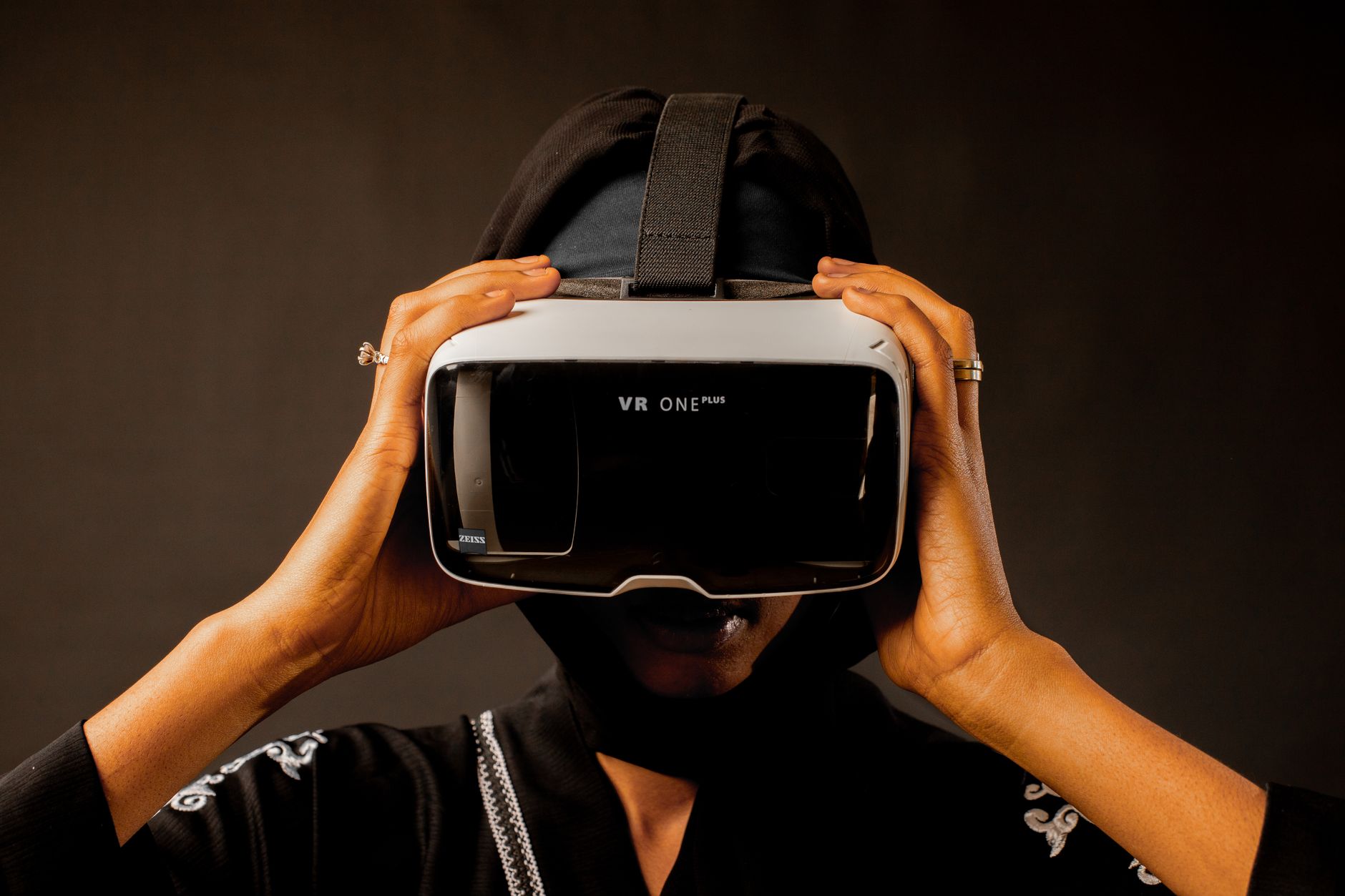
The VR hardware situation has also shifted. Quest 3 adoption has grown steadily, and PC VR through SteamVR has become less of an enthusiast-only proposition than it was four years ago. Players who genuinely couldn’t access Alyx at launch now can, and the combination of lower headset prices and a desperate need for new Half-Life content has pushed it up recommendation lists. Steam reviews for Alyx have seen a slow but consistent uptick in recent months, with a number of new reviews explicitly framing the game as something they returned to or discovered because of renewed Half-Life 3 speculation.
It’s a feedback loop that Valve almost certainly didn’t engineer but probably benefits from. Every cycle of Half-Life 3 speculation drives sales and replays of the existing library. Alyx, sitting at the narrative edge of the canon, is the natural destination for anyone who wants to get as close to Half-Life 3 as currently possible.
Valve’s Silence as a Strategy
Valve operates differently from virtually every other major game publisher. It has no release schedule it communicates publicly, no earnings calls to answer to, and no shareholder pressure to announce products before they’re ready. This gives Valve enormous freedom to say nothing, and it exercises that freedom with a consistency that borders on institutional policy. Half-Life 3 is the most extreme case, but it isn’t alone – updates to the Steam platform, hardware announcements, and even major game updates tend to arrive with minimal pre-release communication.
That silence lands differently when the franchise in question is Half-Life. Unlike, say, a Valve-owned competitive shooter where the absence of news is just an absence of news, Half-Life carries story weight. Episode Two ended on a cliffhanger that has never been resolved. Characters are in states of narrative suspension. The longer Valve says nothing, the more the unresolved story feels like a pressure chamber, and Alyx is the only release valve – pun intended – that exists within the official canon.
What the Community Is Actually Looking For
A recurring theme in the current wave of Alyx discussions isn’t just nostalgia or lore hunting. Players are returning with a specific question: does Alyx feel like a setup? The answer, for most who finish it, appears to be yes. The game’s final sequence is constructed in a way that would make no narrative sense if Valve had no intention of continuing. It introduces stakes, alters the timeline, and leaves Alyx in a position that demands resolution.
Some players are also going back to mine details they missed – environmental storytelling, Combine communications, background text that fills in the world’s history. Half-Life’s lore has always rewarded this kind of close reading, and Alyx, built in VR where physical interaction with the environment is the point, is dense with it. A headset that lets you pick up and examine objects in a ruined apartment is a different artifact-discovery experience than clicking through a desktop version of the same room would be.
There’s also something worth acknowledging about what this cycle says about the relationship between silence and investment. Valve’s refusal to confirm or deny Half-Life 3 doesn’t cool fan interest – it calcifies it. A generation of players has now grown up with Half-Life 3 as a permanent question mark, and that has made the existing games more valuable as objects of study and revisitation. This dynamic isn’t unique to Valve – Konami’s long silence on Castlevania has pushed fans back to Symphony of the Night in similar fashion – but Half-Life’s case is arguably the most loaded because the unfinished story is so specific and so structurally close to resolution.
The uncomfortable reality for the community is that Alyx ends exactly where a Half-Life 3 could logically begin, and Valve has given no indication of when, or whether, that next step happens. What the fanbase has, for now, is a VR game with a loaded ending and the time to finally sit with what it means.