




When the Sequel Disappoints, the Original Wins
Counter-Strike 2 launched in September 2023 with Valve’s promise that it would be a worthy successor to CS:GO – better visuals, a rebuilt tick-rate system, and the kind of technical overhaul that players had been asking about for years. For a while, the goodwill held. But nearly two years on, a growing segment of the CS community is making a move that Valve almost certainly did not plan for: loading up CS:GO through unofficial workarounds and third-party servers, and finding it more enjoyable than the game that replaced it.
The frustration is not about nostalgia alone. Players are pointing to a specific pattern – CS2 updates that either break things that were already working, ignore long-standing bugs, or introduce cosmetic changes while core gameplay issues go unaddressed. That frustration has a target, and the target is Valve’s update cadence. When a sequel’s patches feel like a step sideways instead of forward, the appetite for the original does not just persist – it grows.

What CS2’s Updates Have and Have Not Delivered
Counter-Strike 2 was built on the promise of the sub-tick system, which Valve said would make hit registration more accurate and fair by processing inputs based on exact timing rather than server tick intervals. In practice, the reception has been mixed. A vocal portion of the competitive community feels that certain shooting mechanics, particularly movement accuracy and counter-strafing feedback, behave differently in ways that do not always feel like improvements. These are not minor complaints from casual players – some are from people who have played Counter-Strike competitively for a decade or more.
The update schedule has not calmed those concerns. CS2’s patches over the past year have addressed things like audio changes, map rotations, and case releases, but many of the deeper gameplay complaints have lingered without clear acknowledgment from Valve. The disconnect between what the community is flagging and what shows up in patch notes is a source of genuine irritation. When a new update drops and it includes a new knife skin but still does not fix the smoke grenade clipping issue players reported eight months ago, the community notices – and it talks.
There is also the matter of features that existed in CS:GO and did not carry over cleanly to CS2. Offline bot matches, certain workshop tools, and community server support were all degraded or stripped at launch, with Valve promising they would return. Some have. Others are still pending in a vague “we’re working on it” zone. Players who relied on those features – particularly those who used custom maps for practice routines – feel like they lost something real when CS:GO was removed from Steam and CS2 became the only official option.
This is the gap that nostalgia exploits. It is not that CS:GO was a perfect game – it had its own bugs, its own balance frustrations, and its cheating problems were well-documented. But it was a known quantity. The servers were familiar, the movement felt settled, and for many players, years of muscle memory were calibrated to it. CS2 asked everyone to start over with a rebuilt engine, and then delivered patches that did not fully reassure anyone that the foundation was sound.
How Players Are Getting Back to CS:GO
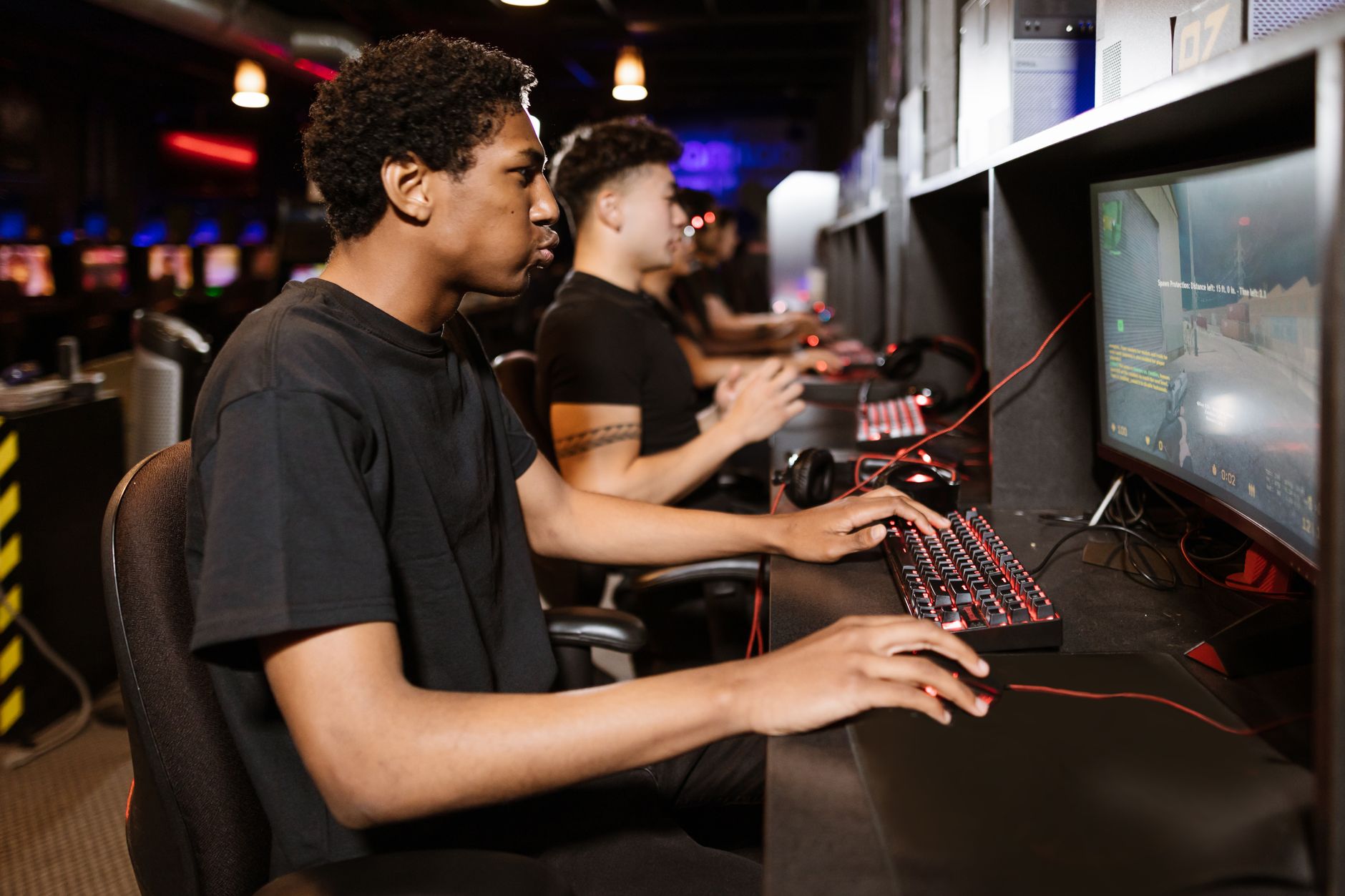
Valve officially deprecated CS:GO when CS2 launched, removing it from the Steam store and ending official server support. But the game did not disappear entirely. A preserved version of CS:GO – sometimes called “CS:GO Offline” or accessed through specific Steam build IDs – circulates in communities on Reddit and Discord. These are not pirated copies; they are legitimate Steam files that players can still access if they know where to look, run without Valve’s live servers, and hosted through community infrastructure.
Third-party platforms have also stepped in. Services that previously supported CS:GO competitive play have maintained some version of the experience, and community servers running older builds have attracted players who want the feel of the pre-CS2 game. This is not a mass migration – CS2 still has a massive active player base – but the existence of these workarounds, and the willingness of players to use them, says something about how dissatisfied a meaningful slice of the community actually is. Much like Bethesda’s situation with Fallout 76, where players cycled back to older entries in the absence of forward momentum, the pull of a familiar predecessor can be surprisingly durable.
Valve’s Response – and Its Silence
Valve has not publicly addressed the CS:GO revival movement in any direct way. The company’s communication style has always been sparse compared to most major studios – no quarterly roadmaps, no community calls, no blog posts explaining design decisions in depth. For a company running one of the most played shooters on PC, the information vacuum around CS2’s development direction is striking. Players are left reading patch notes and inferring priorities rather than understanding them.
That silence creates space for speculation, and speculation in gaming communities rarely defaults to optimism. Some players believe Valve has a small team working on CS2 compared to its revenue, pointing to the pace of updates as evidence. Others argue the sub-tick architecture introduced complications that are harder to fix than Valve anticipated. Neither claim has been confirmed, and Valve has not offered a counter-narrative.

What Valve does have is time and market position. Counter-Strike is not in danger of dying. The professional scene around CS2 is active, the player numbers remain high, and the game’s core loop – buy, plant, defuse, repeat – is still one of the most refined competitive formulas in the genre. The question is whether Valve will use that security as a reason to move slowly, or whether the visible drift of players back to CS:GO will register as a signal worth acting on. A company that watches its community rebuild lobbies around a deprecated title they worked to replace should at minimum find that uncomfortable.
Frequently Asked Questions
Can you still play CS:GO after Counter-Strike 2 replaced it?
Yes, through preserved Steam build IDs and community-run servers, some players are still accessing CS:GO offline or through third-party platforms, though Valve no longer officially supports it.
Why are players unhappy with Counter-Strike 2 updates?
Many players feel CS2’s patches prioritize cosmetic releases over fixing long-standing gameplay bugs, and that features present in CS:GO – like offline bots and full workshop support – have not been fully restored.