




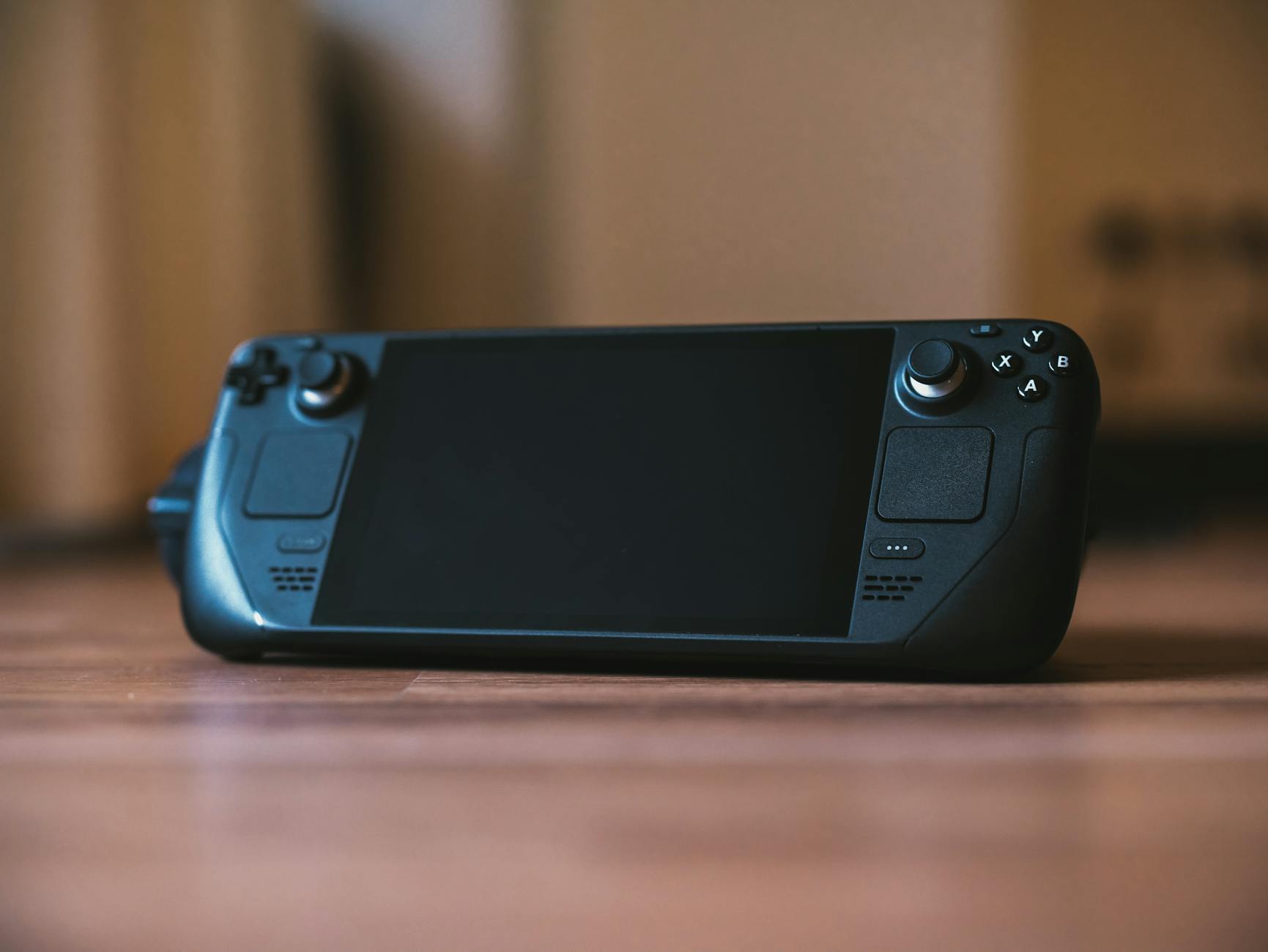
Valve’s Steam Deck transformed portable PC gaming from a niche curiosity into a legitimate market category. The handheld’s commercial success – selling over three million units while building a dedicated fanbase – has caught Microsoft’s attention in ways the company didn’t anticipate when it first dismissed handheld gaming as a secondary concern.
Microsoft’s gaming division now faces a strategic question that seemed irrelevant just three years ago: should Xbox expand beyond traditional consoles into the handheld space? Internal discussions at the company suggest the answer is shifting toward yes, driven by data showing how Steam Deck owners spend significantly more time gaming than typical console players.
The Steam Deck Blueprint Changes Everything
Steam Deck’s approach broke the traditional handheld gaming model by running full PC games instead of mobile-optimized titles. This design philosophy opened access to massive game libraries while maintaining the performance expectations PC gamers demand. Microsoft watched as Valve solved the exact problem that had stymied previous handheld attempts – bridging the gap between portable convenience and serious gaming.
The handheld’s success metrics tell a story Microsoft can’t ignore. Steam Deck users average 2.4 hours of daily gameplay, compared to 1.8 hours for typical Xbox console owners. The device also drives higher game purchase rates, with users buying 40% more titles in their first year of ownership than standard Steam users. These numbers suggest handheld gaming creates more engaged, profitable customers.
Microsoft’s Handheld Strategy Takes Shape
Xbox leadership has reportedly begun exploring two distinct handheld approaches. The first involves creating a dedicated Xbox handheld that runs a modified version of the Xbox operating system, similar to how Steam Deck runs SteamOS. This device would access the full Xbox Game Pass library while maintaining compatibility with existing Xbox achievements and social features.
The second approach considers a Windows-based handheld that could run both Xbox games and the broader PC gaming ecosystem. This strategy would position Microsoft more directly against Steam Deck by offering similar functionality while leveraging Xbox Game Pass as a differentiating factor. Early prototype discussions suggest the company favors this broader approach.
Microsoft’s advantage lies in its existing infrastructure. The company already operates successful cloud gaming services, maintains relationships with hardware manufacturers, and controls both the Xbox platform and Windows operating system. Unlike Valve, which had to build hardware expertise from scratch, Microsoft can leverage existing partnerships with companies like AMD and NVIDIA to accelerate development.
The challenge involves balancing performance expectations with battery life and pricing. Steam Deck succeeded partly because it launched at $399, undercutting gaming laptops while delivering comparable performance. Microsoft would need to match or beat this price point while maintaining the premium feel Xbox customers expect from the brand.
Game Pass Makes the Difference
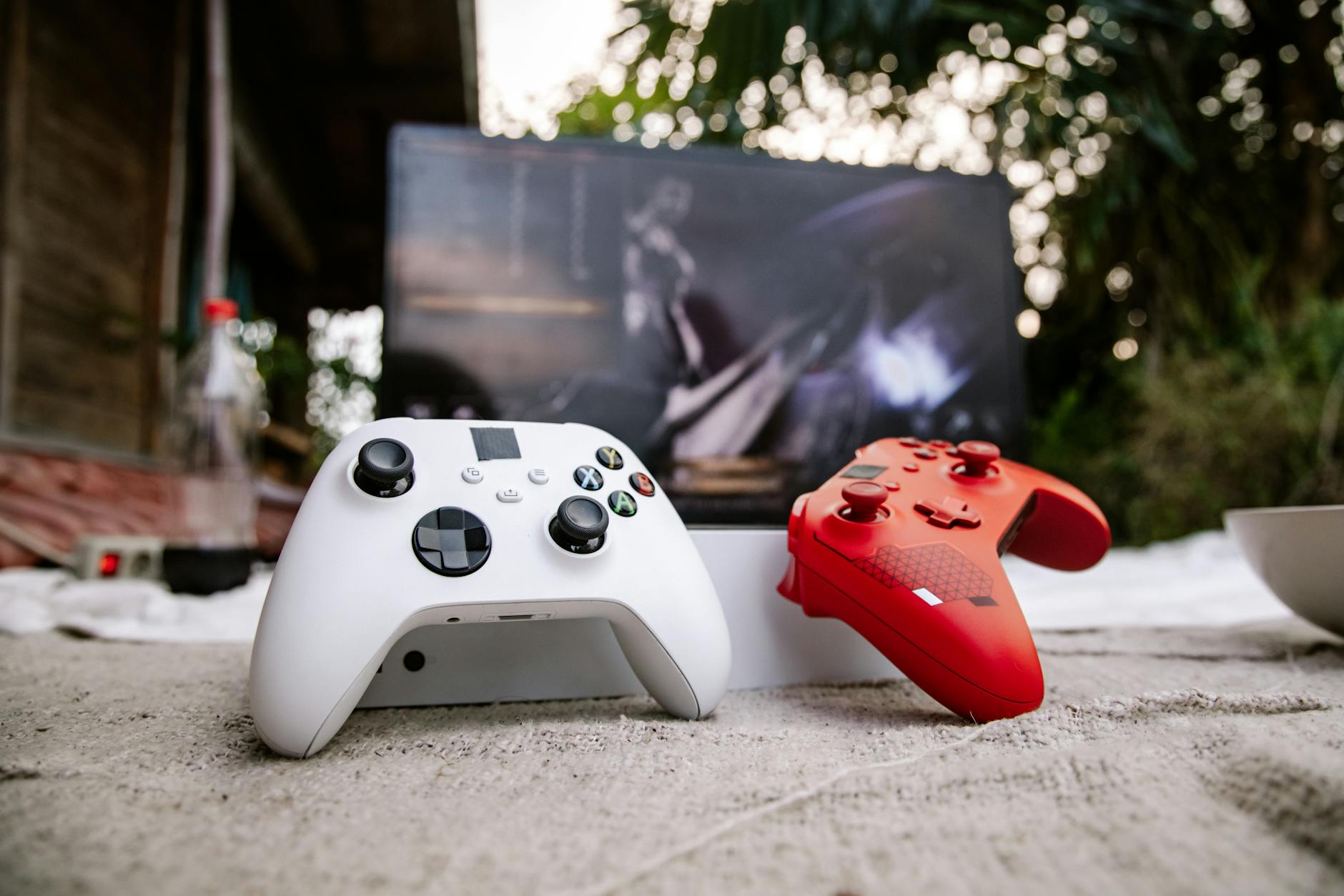
Xbox Game Pass could provide the handheld market’s first true subscription advantage. While Steam Deck users still purchase games individually, an Xbox handheld with built-in Game Pass access would offer hundreds of games for a monthly fee. This model particularly appeals to casual gamers who want variety without commitment.
The subscription approach also addresses one of handheld gaming’s biggest barriers: storage costs. High-quality games require substantial storage space, making expandable storage expensive. Game Pass’s cloud streaming capabilities could reduce local storage requirements while maintaining game quality, potentially lowering the device’s base price.
Competition Heats Up the Handheld Space
Microsoft isn’t the only company reconsidering handheld gaming. ASUS ROG Ally, Lenovo Legion Go, and other manufacturers have launched Steam Deck competitors with mixed success. These devices prove market demand exists beyond Valve’s offering, but they also highlight the challenges of competing on price while maintaining performance.
The handheld gaming renaissance has also attracted attention from traditional console manufacturers. Sony’s PlayStation Portal, while limited to remote play, demonstrates the company’s renewed interest in portable gaming. Nintendo Switch continues dominating the hybrid console space, proving handheld gaming appeals to mainstream audiences when executed properly.
Microsoft’s entry would intensify competition but could also legitimize the category for developers currently hesitant to optimize games for handheld play. Major publishers might invest more resources in handheld-friendly features if multiple major platform holders support the form factor.

The real test will be whether Microsoft can differentiate its handheld offering enough to justify choosing Xbox over Steam Deck’s established ecosystem and game compatibility.