



The Quiet That Speaks Loudest
Square Enix has said almost nothing about Kingdom Hearts 4 since its announcement trailer dropped in April 2022, and that silence is doing more marketing work than a press cycle ever could.
Why the Wait Is Sending Players Back to the Beginning
When a franchise sits in confirmed-but-quiet development for long enough, something predictable happens inside its community: people go back. Not casually, not for nostalgia – they go back with purpose, with spreadsheets, with timer software, and with the specific kind of obsessive energy that only a release date vacuum can produce. Kingdom Hearts is currently living inside that vacuum, and the speedrunning boards are feeling it.
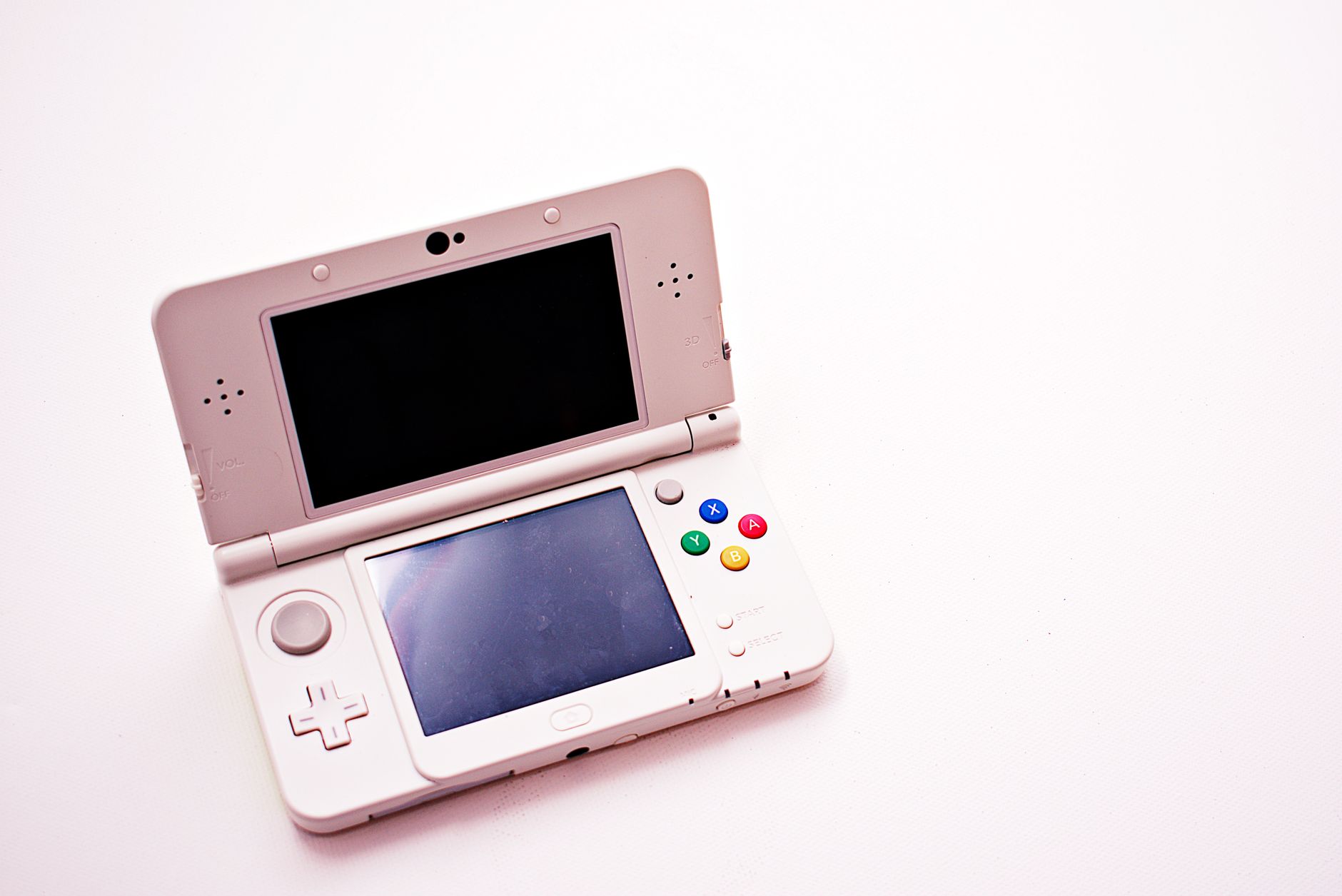
Dream Drop Distance, the 3DS entry that many fans wrote off as a handheld interlude, has seen a notable uptick in run submissions and community activity over the past several months. The game’s Drop mechanic – the involuntary switching between Sora and Riku at set intervals – was divisive when the game launched in 2012, but speedrunners have since turned it into a technical playground. Manipulating the Drop Gauge, routing around forced switches, and optimizing Flowmotion movement chains give the game a skill ceiling that most casual players never encountered.
The path from Kingdom Hearts 3 back to Dream Drop Distance is shorter than it looks. Kingdom Hearts 4 is confirmed to continue Sora’s story after the events of KH3, which means Dream Drop Distance – the game that introduces the Mark of Mastery exam and sets up Sora and Riku’s arc heading into KH3 – is suddenly narratively relevant again. Players who want to be ready for KH4 are replaying the whole series in order, and a meaningful chunk of them are finding the speedrunning community waiting for them when they finish.
The KH speedrunning ecosystem has always been fragmented across titles, partly because each game runs on different mechanics and partly because the series has so many entries on so many platforms. But the extended KH4 wait has functioned like a slow pressure cooker – players have had enough time to cycle through the mainline titles, revisit the handheld games, and eventually land on Dream Drop Distance with actual attention rather than a checkbox mentality. The game rewards that attention. Its Dive Mode, which replaced traditional boss rush encounters, has specific skip setups and sequence breaks that took the community years to document properly.
The Technical Appeal Runners Are Actually Talking About
Dream Drop Distance occupies a strange position in Kingdom Hearts history. It was the last major title before Kingdom Hearts 3, it introduced several mechanics that never returned, and it ran on hardware that most players no longer own. The Nintendo 3DS version has hardware-specific quirks. The HD remaster in Kingdom Hearts HD 2.8 Final Chapter Prologue changed load times, enemy behavior windows, and certain drop timings, which effectively created two separate versions of the game for competitive purposes. That split is genuinely interesting to the speedrunning community because it doubles the viable route options and category debates.
Flowmotion, the wall-running and aerial acrobatics system that defined Dream Drop Distance’s movement, is the core of why runs look so visually distinct from other Kingdom Hearts games. Routing a Dream Drop Distance run is less about minimizing combat and more about threading together Flowmotion chains that carry Sora or Riku across entire maps without touching the ground. When a runner finds a new Flowmotion line through an area, it can shave time in a way that feels more like finding a glitch in a physics engine than discovering a shortcut. That quality pulls in runners who care about movement tech specifically, not just JRPG fans chasing nostalgia.
The Drop mechanic creates a category structure that other Kingdom Hearts games simply cannot replicate. Runners can target any% runs that manipulate drops as tightly as possible, or they can go for categories that impose restrictions on drop management to keep the routing challenge alive. There are also co-op adjacent runs where two players synchronize to cover both characters’ segments as efficiently as possible, which requires communication and split-second timing that has nothing to do with the game’s original design intent. That kind of creative misuse of a mechanic is exactly what keeps a game alive on Twitch and speedrun.com long after its release window closes.
This pattern isn’t unique to Kingdom Hearts. Square Enix’s Final Fantasy IX Remake silence has produced a similar effect on Final Fantasy Tactics runs, with older entries absorbing player attention that has nowhere else to go. Franchises that announce sequels and then disappear into development tend to inadvertently send their communities into the back catalog with a kind of urgency that normal release cycles never generate.
Dream Drop Distance also benefits from being genuinely underexplored relative to Kingdom Hearts 1, 2, and Birth by Sleep. Those three games have years of community history, established world records, and well-documented tricks. Dream Drop Distance still has active routing debates. A runner new to the game can still contribute meaningfully to category knowledge, which is a rare position for any title in a long-running franchise to be in after more than a decade.
What KH4’s Arrival Will Actually Do to This
There is a real question about whether Kingdom Hearts 4’s release will sustain or kill the Dream Drop Distance revival. History suggests both outcomes are possible. Some titles get a burst of renewed attention at a sequel’s launch as players do final prep runs, then fall off completely once the new game is out and consuming everyone’s time. Others get locked in as permanent fixtures in a franchise’s speedrunning rotation because the new entry introduces nothing mechanically comparable.
Kingdom Hearts 4 is reportedly moving toward a more action-oriented, realistic visual style based on what the announcement trailer showed. If the new game deemphasizes the kind of aerial movement system that makes Dream Drop Distance runs worth watching, then Dream Drop Distance holds a permanent niche that KH4 simply cannot replace. Flowmotion was never replicated in Kingdom Hearts 3, and there is no guarantee the team at Square Enix will bring it back. That possibility – that Dream Drop Distance might represent a closed chapter of the franchise’s mechanical design – is quietly adding weight to every run posted right now.