





When a Live Service Dies, Story Mode Survives
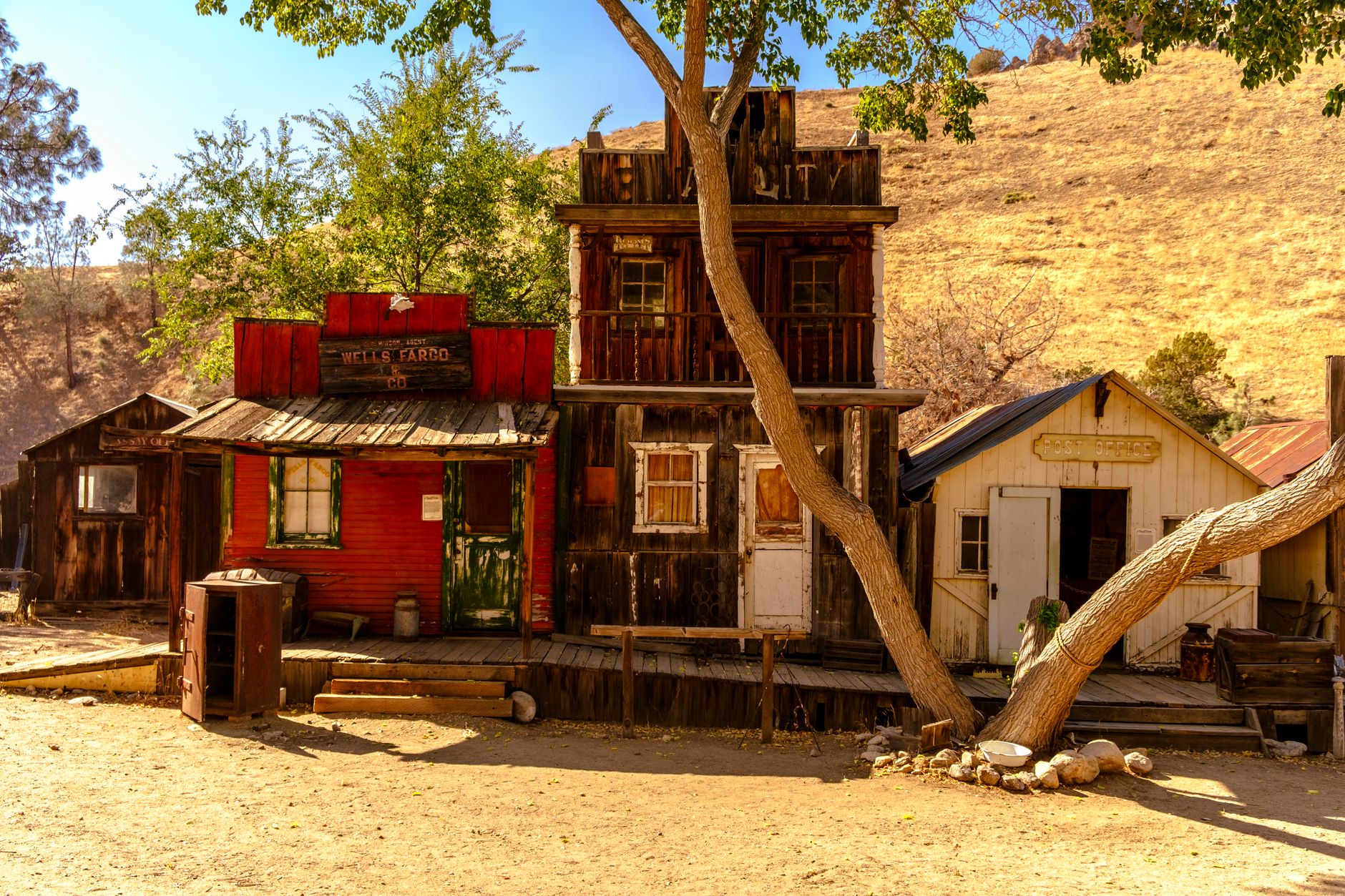
Red Dead Online launched in 2018 with genuine promise – a sprawling frontier world built for multiplayer, packed with potential and running on one of the most technically accomplished open-world engines ever built. Four years later, Rockstar effectively abandoned it. No major content updates. No roadmap. No acknowledgment. The player population bled out quietly while GTA Online continued collecting billions in shark card revenue, and Red Dead Online became a ghost town in the most literal sense possible.
What Rockstar left behind, though, is Red Dead Redemption 2’s story mode – a single-player experience that modders have refused to let gather dust. With the online component offering nothing new, a growing segment of the game’s remaining community has pivoted hard toward modded story mode, turning Rockstar’s neglect into a creative opening that now produces weekly content Rockstar itself never would have shipped.
The Collapse of Red Dead Online
Rockstar’s withdrawal from Red Dead Online was not a dramatic shutdown – it was a slow disappearance. The last major content update dropped in December 2021. After that, communication went quiet. No seasonal events with meaningful rewards, no new story missions, no expansion of the roles system that had given players a reason to grind. The game technically still runs, and some dedicated players maintain their presence in its world, but the broader community treating it as a living product essentially evaporated. Compare that to GTA Online, which still receives updates years into the PS5 and Xbox Series X generation, and the disparity is hard to rationalize.
The economics make sense even if the optics do not. GTA Online generates a volume of microtransaction revenue that Red Dead Online simply cannot match. The Western setting does not carry the same cultural ubiquity as the GTA universe, and Rockstar is deep in GTA VI production. Maintaining two active live service ecosystems simultaneously does not fit that business model. The result is a community that has been told, through silence, that their game is finished – and that community’s response has been to take production into its own hands.

Modded Story Mode Fills the Gap
The RDR2 modding scene on PC has been quietly expanding for years, but the total abandonment of Red Dead Online gave it a specific sense of purpose. Modders are not just tweaking visuals or unlocking frame rate caps. They are building systems. Roleplay frameworks. New mission structures. Dynamic event scripting. Content that functions like the online updates that never came, delivered through mod menus and community Discord servers instead of Rockstar’s servers.
Lenny’s Mod Loader and the Script Hook RDR2 framework opened the technical door, and the community walked through it with increasing ambition. Mods now exist that add functioning gang hideouts with custom AI behavior, expanded hunting and survival mechanics that go well beyond the base game’s systems, and weather and ecosystem mods that make the world feel more reactive than Rockstar’s own designers managed to ship. Some of these mods are pulling download counts that rival the player populations still logging into Red Dead Online.
Roleplay servers running through frameworks adapted from FiveM’s model represent the most organized end of this activity. These are not casual installations – they require deliberate setup and community access – but they recreate the social, dynamic experience that Red Dead Online was supposed to provide, without the monetization pressure or the content drought. Players who wanted a living frontier world found one, just not the official version. This pattern is not unique to Red Dead 2. Capcom’s Dragon’s Dogma 2 modding scene has followed a similar trajectory, with community tools expanding the game in directions the developer never prioritized.
Visual and technical mods are running alongside the content additions. ReShade presets and custom lighting mods are pushing RDR2’s already remarkable engine to render scenes that look closer to ray-traced environments than anything the console versions can achieve. Screenshots and video captures from these modded setups circulate constantly on social media, and they function as organic advertising for a game that Rockstar stopped actively promoting years ago. People who had never played RDR2 have reported picking it up specifically after seeing modded footage.
Rockstar’s Complicated Relationship With Modding
Rockstar’s official stance on single-player mods has historically been tolerant in practice if not formally endorsed. The company has not pursued legal action against RDR2 story mode modders and has not issued DMCA takedowns targeting the major frameworks. The line they have consistently drawn is at mods that touch online functionality – anything that could affect multiplayer sessions, enable cheating in shared servers, or compromise the revenue infrastructure around GTA Online and Red Dead Online. Stay in story mode, and Rockstar has largely looked the other way.
That tolerance is not guaranteed to hold indefinitely, particularly as GTA VI approaches and Rockstar begins managing its brand image around that launch. If the modding community produces anything that creates negative headlines or bleeds into the online ecosystem in ways the company finds inconvenient, the response could change quickly. For now, modders are operating in a space Rockstar has vacated, which offers a kind of practical protection.
What This Means for the Game’s Longevity
Red Dead Redemption 2 released in 2018 and still ranks in Steam’s top played titles on a consistent basis. The story mode alone is long enough and rich enough to justify repeated playthroughs, but the modding ecosystem extends that lifespan dramatically. Players who finished the story three times over are now running modded survival challenges, custom narrative expansions, and roleplay scenarios that the base game never offered. The engine Rockstar built is proving more durable than the service Rockstar tried to sell on top of it.
There is an irony embedded in this situation that Rockstar may not fully appreciate. The company sidelined Red Dead Online to focus resources elsewhere, but the game’s persistent relevance – its continued presence in gaming conversations, its steady sales numbers years after launch – is being maintained largely by the community Rockstar stopped serving. Modders are doing retention work for a product the developer abandoned, and they are doing it for free, out of genuine attachment to the world Rockstar built.
The real question sitting underneath all of this is whether Rockstar factors any of that community labor into how it approaches Red Dead’s future. A remaster, a next-generation update, even a re-engagement with online content could land in a community that has kept itself warm and active through years of official silence. Or Rockstar releases GTA VI, that game consumes all available oxygen, and Red Dead becomes a game that exists entirely on community life support – technically abandoned but functionally alive because modders decided Beecher’s Hope was worth preserving.