




The Handheld War Nobody Saw Coming
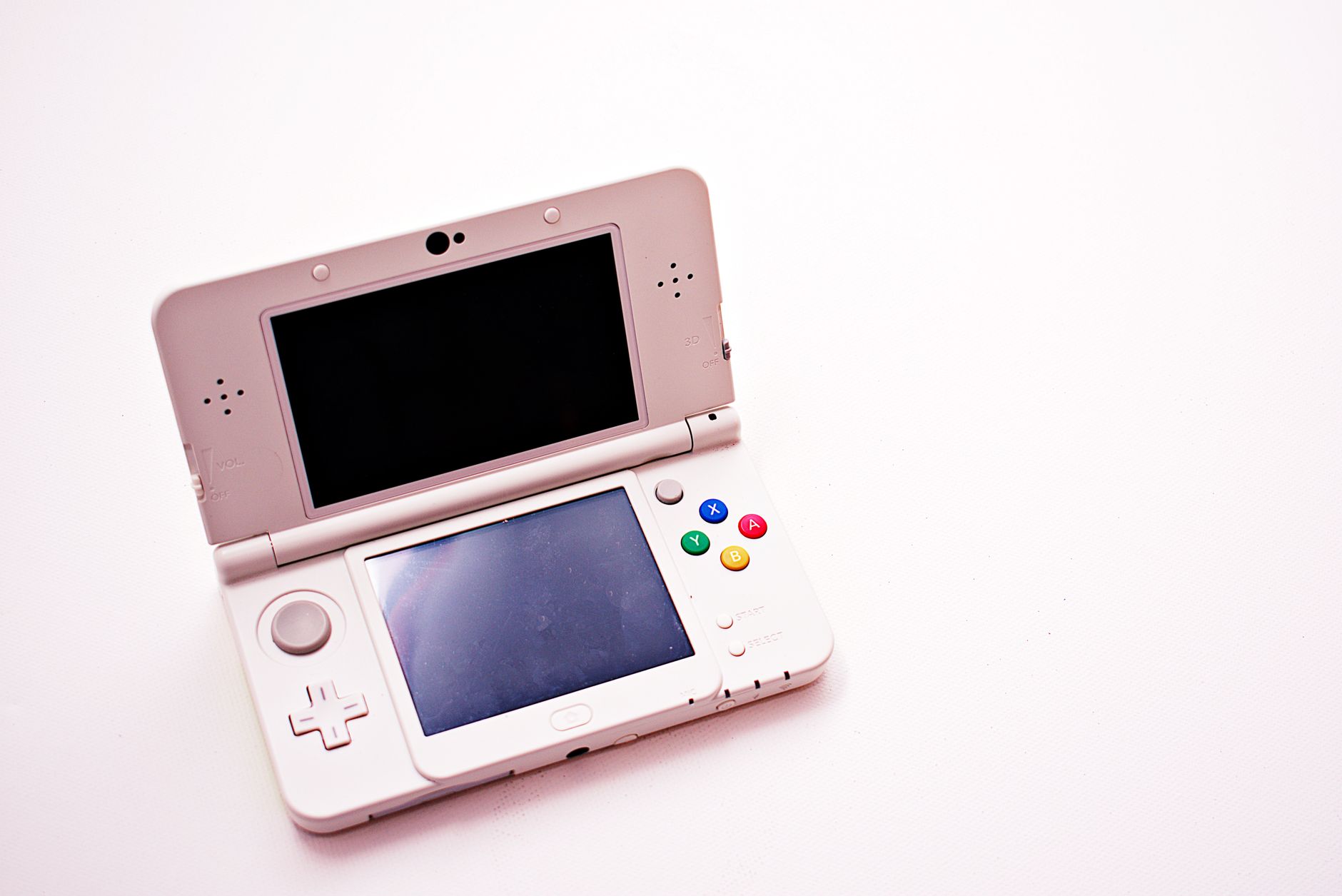
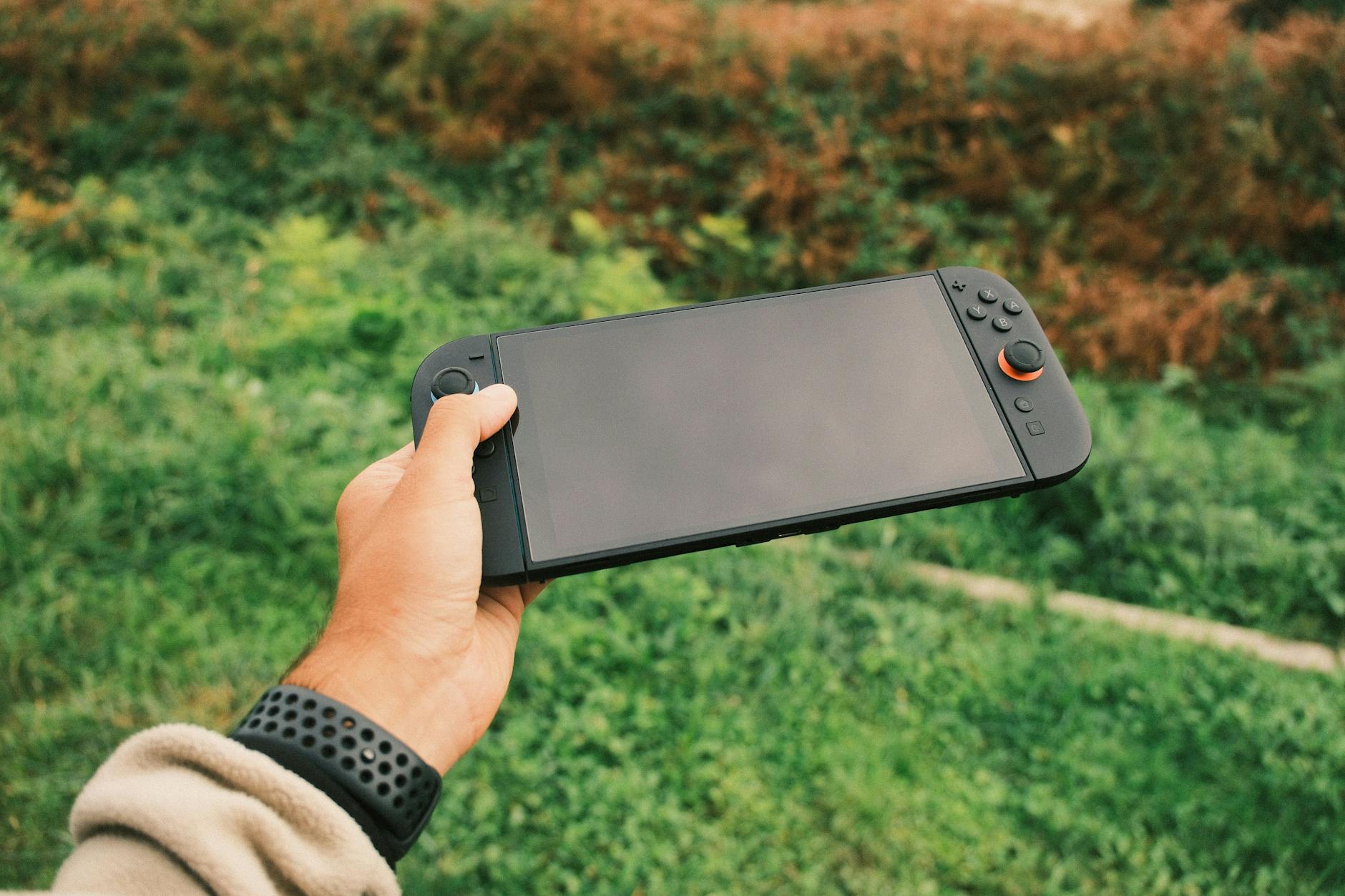
Nintendo Switch 2 pre-orders opened to considerable consumer frenzy, and the ripple effects landed somewhere unexpected: Valve’s Steam Deck. Retailers and resellers tracking wishlist activity and sales velocity have noticed a measurable dip in Steam Deck purchases and add-to-cart conversions in the weeks following Nintendo’s pre-order launch. The pattern is hard to ignore – consumers who were sitting on the fence about a handheld gaming device appear to be choosing sides, and Nintendo is winning that argument right now.
This is not a story about one product killing another. The Steam Deck is not dying. But the Nintendo Switch 2 announcement created a spending ceiling for a lot of households. Portable gaming is a discretionary purchase, and most buyers are not buying two. When a flashier option with a massive first-party game library enters pre-order season, the more established competitor feels the cold.
Why Pre-Orders Hit Differently This Time
Nintendo pre-orders have historically moved markets. The original Switch generated lines, scalpers, and empty shelves for months. Switch 2 pre-orders carry that same inherited urgency – a fear-of-missing-out energy that Valve simply cannot manufacture. Steam Deck units sit on shelves and ship on demand. That availability, which should be a selling point, becomes a psychological liability when the competing product feels scarce and time-sensitive.
The audience crossover is also more direct than it appears. Steam Deck buyers are not exclusively PC gaming diehards hunting for Linux-compatible hardware. A significant portion are casual-to-moderate gamers who want a comfortable couch or travel gaming experience without sitting at a desk. That description maps almost perfectly onto the Switch 2’s target consumer. Both devices are asking for roughly the same $300-$500 budget commitment, and they are pitching to people who game in the same physical posture.
What the Steam Deck Actually Offers – and Where It Loses the Pitch
Valve’s device has a genuinely strong argument on paper. Access to a Steam library means thousands of games, many of them already purchased, are playable on a handheld the moment the box is opened. That is a real value proposition that Nintendo cannot match without a backward-compatible library and a subscription service doing heavy lifting.
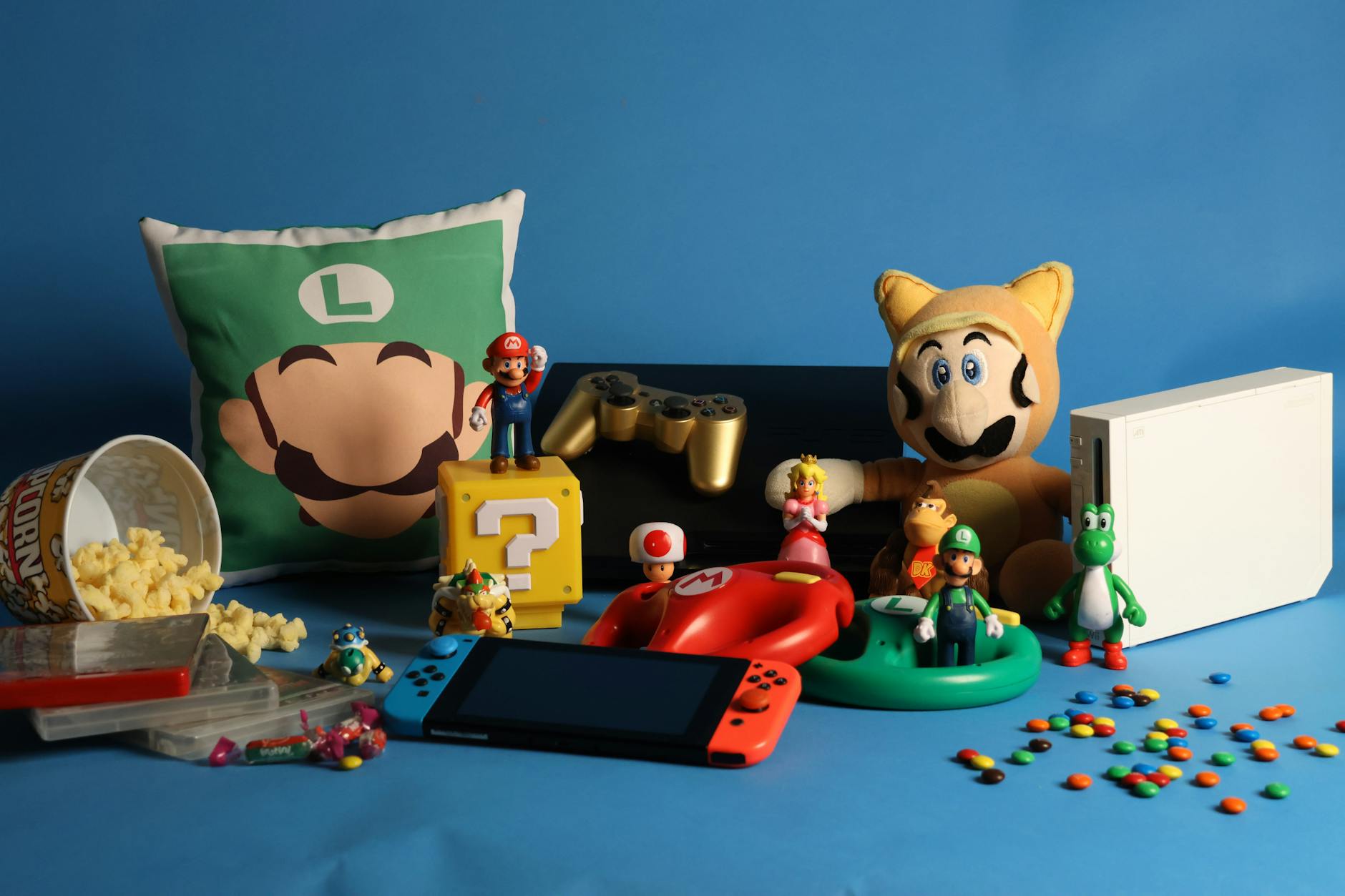
But the Switch 2’s counter-argument lands harder in a pre-order window: exclusives. Mario, Zelda, Donkey Kong, and whatever launch titles Nintendo has lined up are not available anywhere else. No amount of Steam library access puts those games on a Steam Deck. For consumers who grew up on Nintendo franchises or who have children asking for specific titles, the exclusives question closes the conversation before it really starts.
The Steam Deck also carries a learning curve that Nintendo deliberately eliminates. SteamOS is approachable, but it still requires setup, occasional tinkering, and compatibility checks before a game runs well. Some titles need manual adjustments for resolution, frame rates, or control mapping. Nintendo’s software experience is built to require none of that. You put the cartridge in, or you download the game, and it works. That frictionless onboarding is worth something real to a large segment of buyers.
There is also the social dimension. Switch multiplayer – both local and online – remains a cultural staple in ways that Steam Deck co-op sessions simply are not. Handing a Joy-Con to someone on a couch is still an experience the Steam Deck cannot replicate without additional hardware and setup. For households with multiple people who want to play together spontaneously, that matters.
Valve Is Not Standing Still
Valve has remained quieter than expected during the Switch 2 hype cycle, which is consistent with how the company operates. There has been no aggressive marketing push, no price drop announcement, and no major hardware refresh reveal timed to compete. Valve generally lets the product speak for itself and trusts its ecosystem to retain existing customers.
That approach has worked in the PC gaming market for years. Whether it holds in the handheld space, where brand loyalty and exclusive content carry more weight than they do on desktop, is a different test. The Steam Deck is still the better device for anyone who wants to play the PC catalog on the go – and that audience is not small. But it is a specific audience, and the broader casual market is currently looking at Nintendo’s announcement and reaching for a credit card.
Where This Leaves Both Companies
The short-term picture favors Nintendo. Pre-order momentum drives media coverage, which drives more pre-orders, which makes the device feel like the cultural moment for anyone paying attention to gaming news right now. Steam Deck does not have that kind of event horizon pulling consumers toward a single purchase window.
Longer term, the two devices may settle into different lanes cleanly enough that the cannibalization narrative fades. Hardcore PC gamers will buy a Steam Deck because they want access to their existing library. Nintendo fans will buy a Switch 2 because they want Mario Kart World and whatever else Nintendo ships in year one. The consumers being pulled in two directions right now are the ones in the middle – people who want a handheld and have not committed to either ecosystem.
That middle group is the actual battleground. Valve has the library advantage and the price flexibility to discount units or bundle software. Nintendo has the exclusives and the brand nostalgia. Right now, during peak Switch 2 hype, those middle-ground buyers are largely going with Nintendo – and Valve has given no public indication yet that it plans to do anything to stop them.