




The Silence Is Getting Loud
Metal Gear Solid Delta: Snake Eater was announced to considerable fanfare, positioning itself as the definitive return of one of gaming’s most beloved stealth franchises. But somewhere between the reveal trailer and now, the hype has quietly started leaking out – and Konami’s own handling of the project may be the source of the puncture.
A Remake Built on Promises, Not Progress
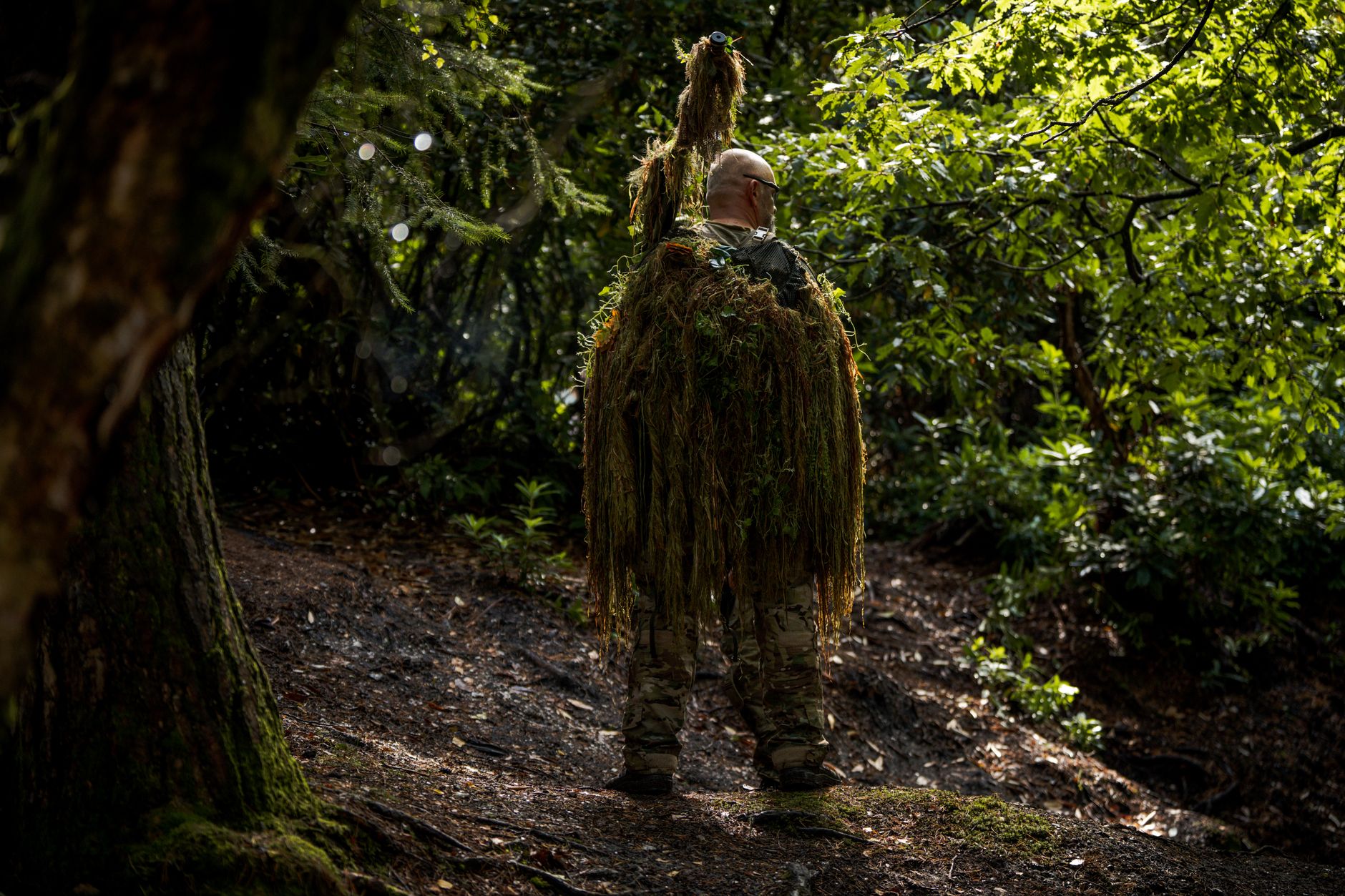
When Delta was first shown to the public, the response was electric. The original Metal Gear Solid 3: Snake Eater holds near-sacred status among stealth game fans, and the promise of a full visual and mechanical rebuild on modern hardware felt like exactly the kind of project the series deserved after years of franchise mismanagement. Trailers showed jungle environments rendered with striking fidelity, familiar music cues, and what looked like a faithful recreation of the Virtuous Mission and Operation Snake Eater structure. For a moment, it looked like Konami had finally figured out how to treat its back catalog with respect.
That moment did not last long. The months following the initial reveal have been defined more by absence than by content. Major gaming showcases have come and gone with minimal Delta presence – no extended gameplay, no release window confirmation, no developer commentary explaining design decisions or the scope of the project. The kind of sustained promotional momentum that typically builds anticipation for a high-profile release simply has not materialized. A game of this stature, from a franchise this recognizable, would normally be receiving far more consistent visibility.
The problem with prolonged silence around a heavily anticipated remake is that it does not create mystery – it creates doubt. Players who were initially enthusiastic begin to fill the information vacuum with their own worst-case interpretations: development trouble, scope reduction, creative compromises, or worse, a project quietly losing resources and internal priority. Whether or not any of those concerns are grounded in reality is almost irrelevant. Perception shapes engagement, and right now the perception around Delta is drifting toward skepticism.
Konami’s complicated recent history with the Metal Gear brand adds another layer of friction. The public fallout with Hideo Kojima, the director who built the series into what it is, remains a sore point for longtime fans. Delta is being developed without his involvement, and while that does not automatically doom the project, it does mean Konami is working without the creative authority that gave the original its identity. Every piece of missing information becomes a reason to wonder whether the people steering this remake truly understand what made Snake Eater worth remaking in the first place.

What Quiet Marketing Actually Signals
There is a version of this story where subdued marketing is a deliberate strategy – a studio choosing to let a finished or near-finished product speak for itself closer to launch, rather than running a years-long hype cycle. Some games benefit from a short, focused promotional window. But that approach only works when there is an established level of trust between the publisher and the audience, and when some structural communication is still maintained to keep the community warm. Neither of those conditions fully applies here.
Konami does not currently hold the kind of goodwill with gaming audiences that makes silence read as confidence. The company’s track record over the past decade – cancelled projects, controversial monetization in sports titles, the handling of the Silent Hill franchise – means that quiet is more likely to read as avoidance than restraint. When publishers with healthier reputations go quiet before a big release, fans often assume they are cooking something great. When Konami goes quiet, the default assumption is more anxious.
The comparison to how other high-profile remakes have been handled makes the gap more visible. Projects of similar scale and heritage tend to receive steady drips of content: behind-the-scenes footage, developer interviews, confirmed platform details, and at minimum a confirmed release year well in advance of launch. Delta has offered very little of that pipeline. The community that formed around the initial announcement has had almost nothing to sustain its energy, and online discussion has naturally drifted toward other titles that are actively feeding their audiences.
This kind of community attrition is hard to reverse. Excitement for a game is not a static resource – it requires active maintenance. Fans who were ready to spend money and spread word-of-mouth enthusiasm are now the same fans watching other beloved franchise remakes mishandle their own goodwill, and they are recalibrating their expectations across the board. A generation of players that has been burned repeatedly by announced-then-delayed or announced-then-changed remakes is primed to protect itself emotionally. Detaching from Delta before disappointment arrives is just rational self-defense at this point.
There is also a practical commercial concern buried in this. Delta will presumably launch at a full premium price point, competing against a slate of releases that have spent considerably more time and effort building purchase intent. A game that arrives after a long visibility drought has to work much harder to justify its price at launch, and it faces a steeper climb to strong opening-week sales. Positive critical reception can compensate for weak pre-release momentum, but only if the game itself delivers something that demands attention on contact.
The Weight of the Original
Metal Gear Solid 3 is not just a beloved game – it is the entry that many fans consider the emotional and narrative peak of the entire series. Snake Eater’s themes of sacrifice, identity, and loyalty to a mission rather than a country gave it a resonance that aged exceptionally well. Remaking that specific entry carries a weight that a more middle-of-the-road franchise installment would not. The stakes for Delta are higher because the source material is harder to improve upon and much easier to diminish.
Right now, Delta sits in an uncomfortable middle ground: too announced to ignore, but too quiet to anticipate with any real conviction. The original game’s legacy does the heavy lifting of keeping interest technically alive, but legacy alone does not sell modern releases to a new generation of players who have no nostalgic connection to the PS2 era. Konami needs to show its work – and it needs to do it soon, before the gap between announcement and tangible information becomes the story itself.