




Scientists in remote locations no longer need to pack bulky microscopes when smartphones can now magnify specimens up to 1000x with add-on lenses and specialized apps. Field researchers studying everything from water quality to plant diseases are discovering that their pocket devices deliver laboratory-grade magnification at a fraction of the cost and weight.
The transformation began when smartphone manufacturers started integrating macro photography capabilities into flagship devices. Apple’s iPhone 13 Pro introduced dedicated macro lenses, while Samsung’s Galaxy S22 Ultra pushed close-focus photography to new levels. But the real breakthrough came when third-party companies developed clip-on microscope attachments that transform any smartphone camera into a powerful scientific instrument.
Portable Labs Replace Heavy Equipment
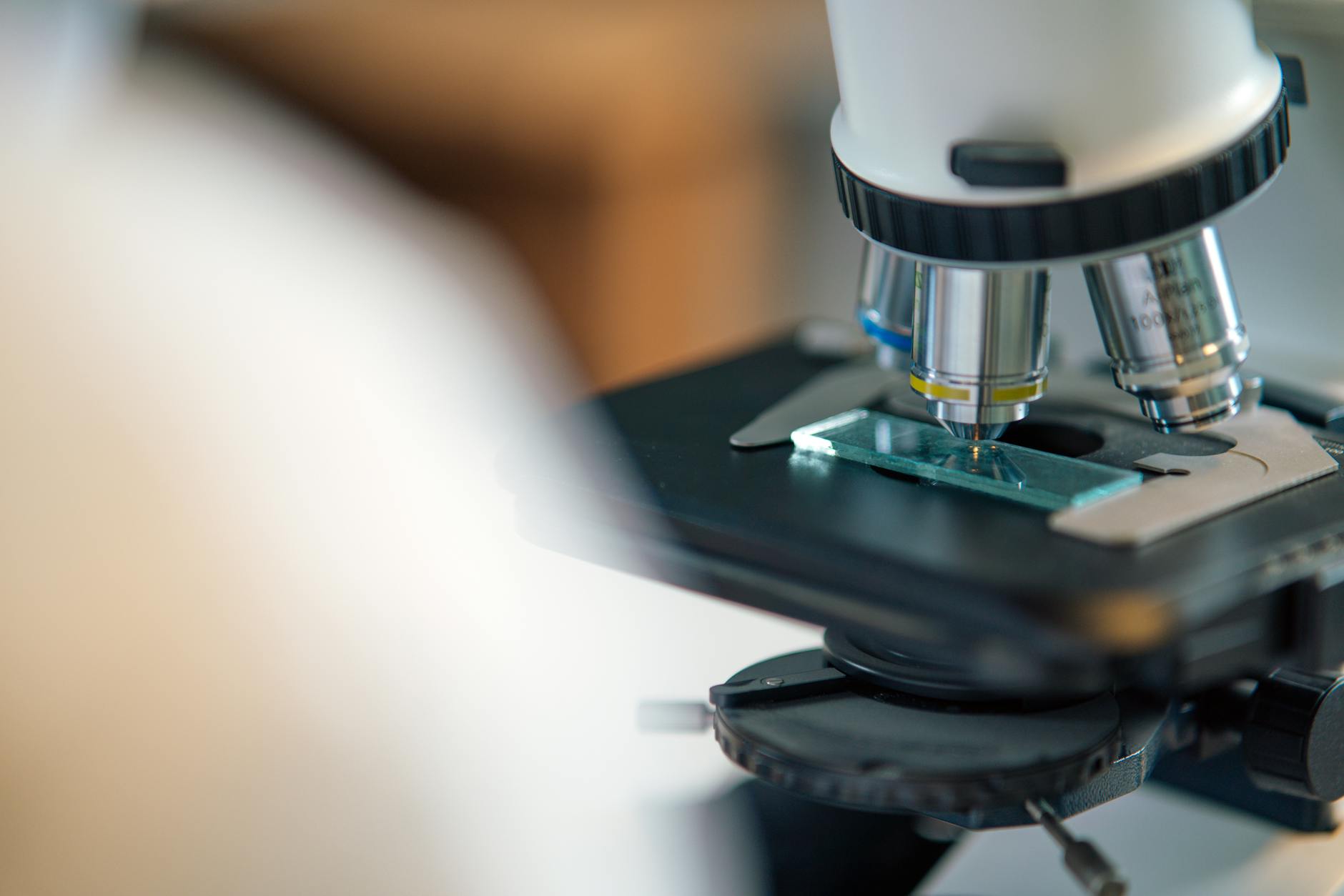
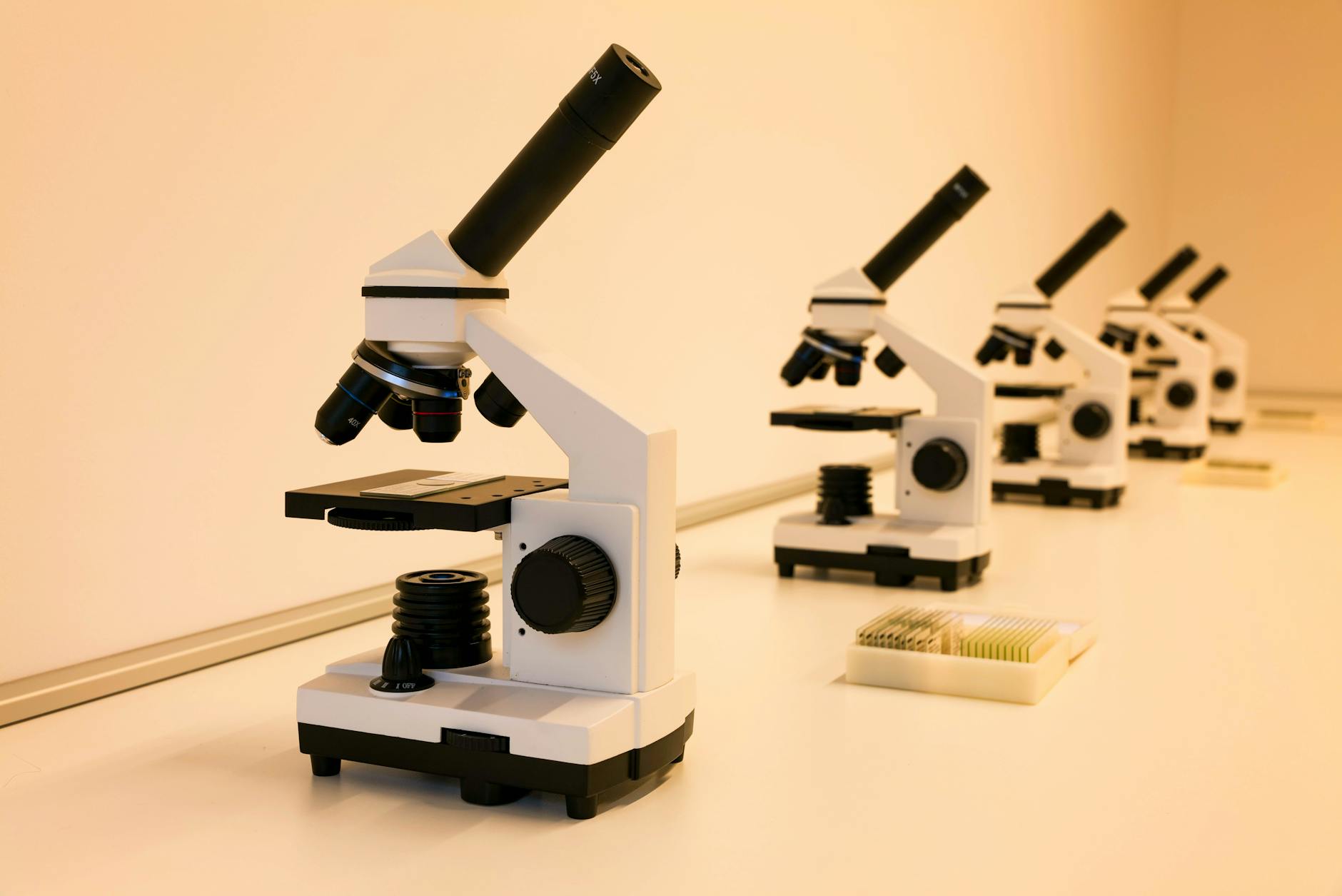
Traditional field microscopes cost thousands of dollars and require careful handling during transport. A quality research microscope weighs 15-20 pounds and needs stable surfaces for accurate observations. Smartphone microscope attachments weigh less than two ounces and cost under $100, making them accessible to researchers with limited budgets and those working in challenging environments.
Carson MicroBrite Plus and Apexel’s microscope lens kits now achieve magnifications comparable to entry-level laboratory microscopes. These attachments use precision optics to focus smartphone cameras on specimens as small as individual cells. The results get recorded directly as photos or videos, eliminating the need for separate documentation equipment.
Marine biologists studying coral reef health in remote Pacific islands have adopted smartphone microscopy as their primary tool. Dr. Sarah Chen from the Ocean Research Institute reports using iPhone-mounted microscopes to examine coral polyps and identify bleaching patterns without hauling expensive equipment on research boats. The ability to instantly share findings with colleagues worldwide accelerates collaborative research.
AI-Powered Analysis Enhances Field Work
Smartphone microscopy gains power when paired with artificial intelligence applications designed for scientific analysis. PlanktonScope’s mobile app automatically identifies and counts microorganisms in water samples. FoldScope Instruments developed software that measures cell sizes and identifies bacterial species from smartphone microscope images.
These AI tools work offline, crucial for field researchers in areas without reliable internet connectivity. The apps store reference databases locally and process images using the phone’s computational power. Results appear within seconds, allowing researchers to make real-time decisions about sample collection and analysis priorities.
Agricultural scientists monitoring crop diseases benefit significantly from smartphone microscopy combined with AI identification. Apps like PlantNet and iNaturalist now include microscopic analysis features that identify fungal spores and bacterial infections from close-up photos. Farmers in developing regions use these tools to diagnose problems before they spread across entire fields.

Professional Applications Expand Beyond Research
Healthcare workers in remote clinics increasingly rely on smartphone microscopes for basic diagnostics. Medical apps certified by health authorities can identify common parasites, bacteria, and blood abnormalities from smartphone-captured images. While not replacing professional medical equipment, these tools provide valuable screening capabilities where traditional microscopes aren’t available.
Quality control inspectors in manufacturing use smartphone microscopes to examine surface finishes, material defects, and component specifications. The portability allows on-site inspection of products that would be difficult to transport to laboratory settings. Documentation features help maintain quality records and share findings with engineering teams.
Educational institutions embrace smartphone microscopy for field studies and outdoor learning. Students can examine pond water, soil samples, and plant structures during nature excursions. The immediate visual feedback and ability to share discoveries enhances engagement compared to traditional laboratory sessions. Mobile photography apps continue evolving to support these educational applications with specialized features for scientific documentation.
Technical Limitations and Future Improvements
Current smartphone microscopes face resolution limits compared to professional equipment. While adequate for many field applications, they cannot match the optical quality of high-end research microscopes. Image stability remains challenging when working handheld, particularly at higher magnifications where small movements create significant blur.
Battery life constraints affect extended field work since microscope apps and continuous camera usage drain power quickly. Researchers often carry portable chargers or solar panels for multi-day expeditions. Some microscope attachments include their own LED lighting systems, adding another power requirement to consider.
Smartphone manufacturers are addressing these limitations through hardware improvements. Computational photography techniques now stabilize microscope images using software algorithms. Samsung’s latest Galaxy devices include specialized modes optimized for scientific photography, automatically adjusting exposure and focus for microscopic subjects.
The integration of microscope capabilities into standard smartphone cameras represents the next development phase. Future devices may include built-in macro lenses capable of true microscopic magnification without external attachments. Advanced sensors and processing power will enable real-time analysis of microscopic images, making scientific observation as simple as taking a photo.
Professional microscope manufacturers are partnering with smartphone companies to develop hybrid solutions. These collaborations aim to create devices that serve both consumer photography needs and scientific applications. As mobile photography continues advancing, the line between professional scientific equipment and consumer technology continues blurring.
Field research will never be the same as smartphones democratize access to powerful microscopic observation tools, enabling discoveries in locations where traditional equipment would be impractical or impossible to deploy.
Frequently Asked Questions
What magnification can smartphone microscopes achieve?
Smartphone microscope attachments can achieve magnifications up to 1000x, comparable to entry-level laboratory microscopes.
How much do smartphone microscope attachments cost?
Quality smartphone microscope attachments typically cost under $100, making them accessible compared to traditional microscopes costing thousands.