





Battle Royale’s Quiet Migration
Warzone has a loyalty problem. After years of map resets, engine overhauls, anti-cheat controversies, and a full relaunch that many players found more disorienting than refreshing, the audience that once made it the dominant force in free-to-play shooters is visibly splintering. Player count discussions on Reddit threads and Steam charts tell a story of gradual but consistent erosion, and the sentiment in those spaces has shifted from frustration to resignation – a worse sign for Activision than outright anger.
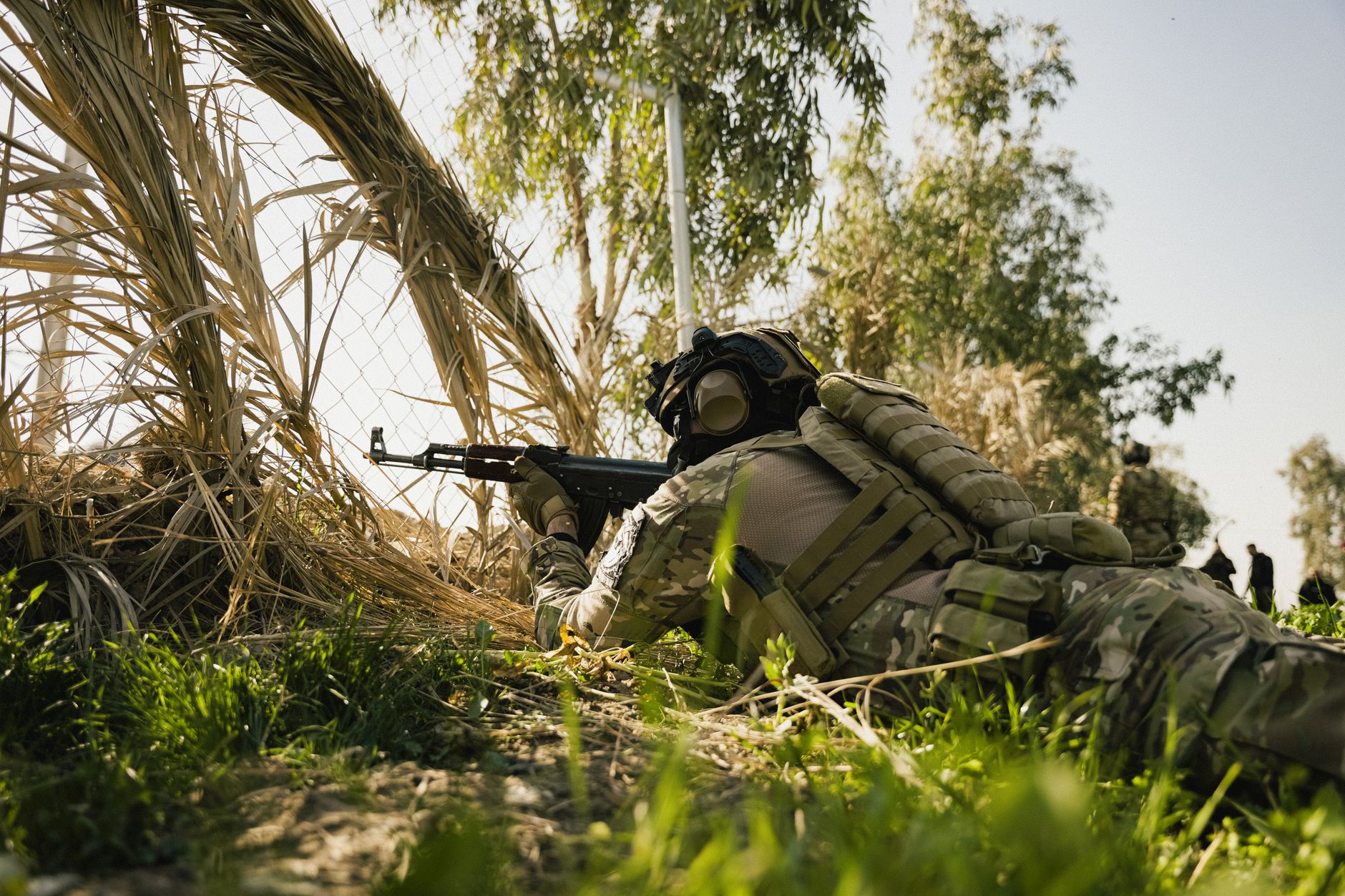
Into that gap has stepped Delta Force, the tactical shooter revival from TiMi Studio Group that quietly launched into early access and found traction in communities that had already written off Warzone. The game is not a direct clone – it blends large-scale multiplayer modes with a battle royale component called Hazard Zone – but for players exhausted by Warzone’s bloated systems, the appeal is less about what Delta Force does differently and more about what it simply does not do: relentless monetization pressure, constant meta-breaking patches, and a progression system designed to feel perpetually incomplete.

What Went Wrong With Warzone
The original Warzone launched in 2020 and found an audience almost immediately. It was fast, accessible, and built on the bones of Modern Warfare’s already well-regarded engine. But successive updates introduced content from multiple Call of Duty titles simultaneously, creating a tonal incoherence that the community noticed. Caldera replaced Verdansk, and the backlash was loud enough that Activision eventually brought Verdansk back – but by then, a portion of the audience had already left and not returned.
Warzone 2.0 and the subsequent rebranding to Warzone (again) compounded the confusion. The DMZ extraction mode, which had genuine promise, was quietly shelved. The gulag system was redesigned multiple times. Each change came with a stated rationale, but the cumulative effect was a game that felt like it was being managed by committee, always one patch away from fixing itself without ever quite getting there. For players who invest time in learning a game’s rhythm, that instability is genuinely exhausting.
The cheating problem has never been fully resolved either. Ricochet, Activision’s proprietary anti-cheat system, has made measurable progress, but high-visibility streamers and regular players alike still report lobbies where something feels off. Trust, once broken in a competitive game, is difficult to rebuild. And when a free-to-play alternative offers a cleaner experience – even if it is technically less polished in some areas – the math changes.
Delta Force’s Unlikely Timing
TiMi Studio Group is not a small operation – it sits under the Tencent umbrella and has the infrastructure to support a live service title properly. But Delta Force’s marketing was restrained compared to the launches of major Western shooters, which paradoxically worked in its favor. Word of mouth from frustrated Warzone players carried more weight than any ad spend could have purchased.
The game’s Hazard Zone mode specifically scratches an extraction-shooter itch that Warzone’s DMZ briefly teased before being abandoned. Extraction mechanics reward deliberate play over twitch reflexes, and they attract a slightly older, more patient player demographic – exactly the segment that has grown tired of Warzone’s arcade energy and its increasingly younger, increasingly aggressive ranked community.
The Structural Appeal of a Cleaner Slate
One thing Delta Force offers that Warzone structurally cannot is the absence of legacy baggage. Warzone carries four years of accumulated decisions: operator skins from a dozen different Call of Duty titles, a weapon meta that shifts every season, and a battle pass system that has been redesigned so many times that even engaged players struggle to explain exactly how it works. Delta Force starts from zero, and for a certain kind of player, that blank slate is the feature.
The progression system in Delta Force is not without its own monetization, but the cosmetic pressure feels lighter – at least at this stage of the game’s lifecycle. Live service titles tend to escalate their monetization as they mature, so whether that restraint holds is genuinely unclear. But right now, the comparison point favors Delta Force, and players make decisions based on right now.
There is also something to be said for the tactical framing. Delta Force positions itself in a lineage of mil-sim-adjacent shooters – a space that shifting platform dynamics have made more viable for mid-tier titles competing against giants. Players who enjoyed early Battlefield titles, the original Delta Force series, or even the more grounded early seasons of Warzone find the aesthetic familiar without it being derivative. That is a harder tonal balance to strike than it sounds, and TiMi has largely pulled it off.
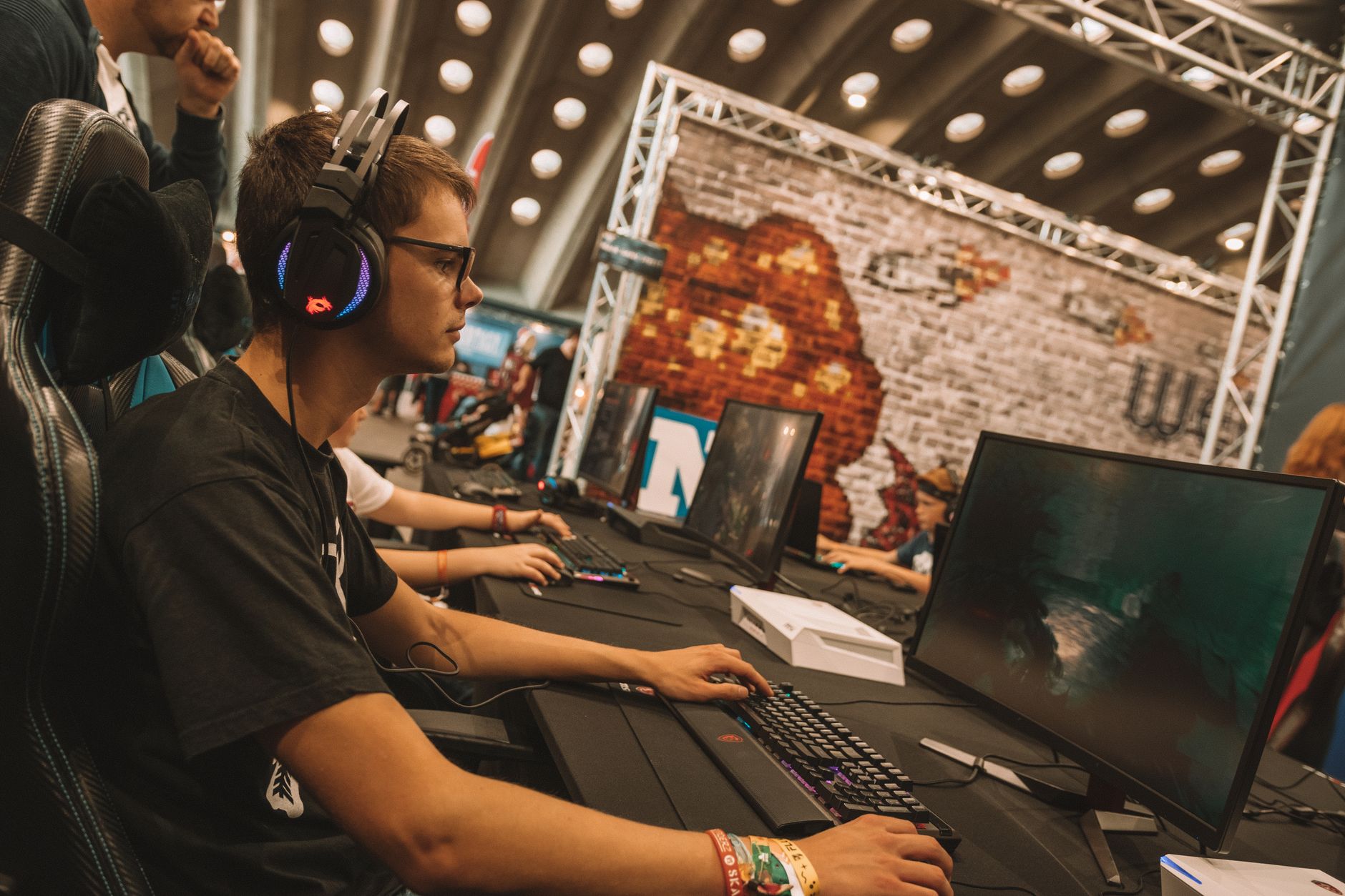
Activision’s challenge now is not just retaining Warzone’s remaining core but understanding why the migration is happening at all. Throwing another map refresh or a legacy weapon pack at the problem will not address the underlying issue, which is that a portion of the battle royale audience has decided the friction of playing Warzone is no longer worth the familiarity of the brand. Delta Force is benefiting from that calculation, but it is not the cause of it – and if TiMi makes the same systemic mistakes Activision did, the same players will eventually walk away from that game too.