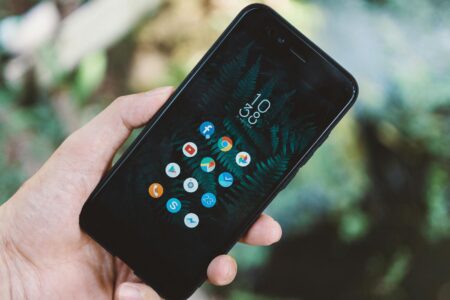





A quiet revolution is happening in millions of pockets across America. iPhone users are increasingly abandoning their traditional banking apps, choosing instead to manage their financial lives entirely through Apple Wallet. What started as a convenient way to store boarding passes and concert tickets has evolved into a comprehensive financial hub that many users now prefer over their bank’s official applications.
The shift represents a fundamental change in how consumers interact with their money. Rather than opening separate apps for Chase, Wells Fargo, or Bank of America, users are conducting transactions, checking balances, and managing payments through Apple’s unified interface. This trend has accelerated dramatically since Apple introduced enhanced financial features and partnerships with major financial institutions.
The Apple Wallet Advantage: Speed and Simplicity
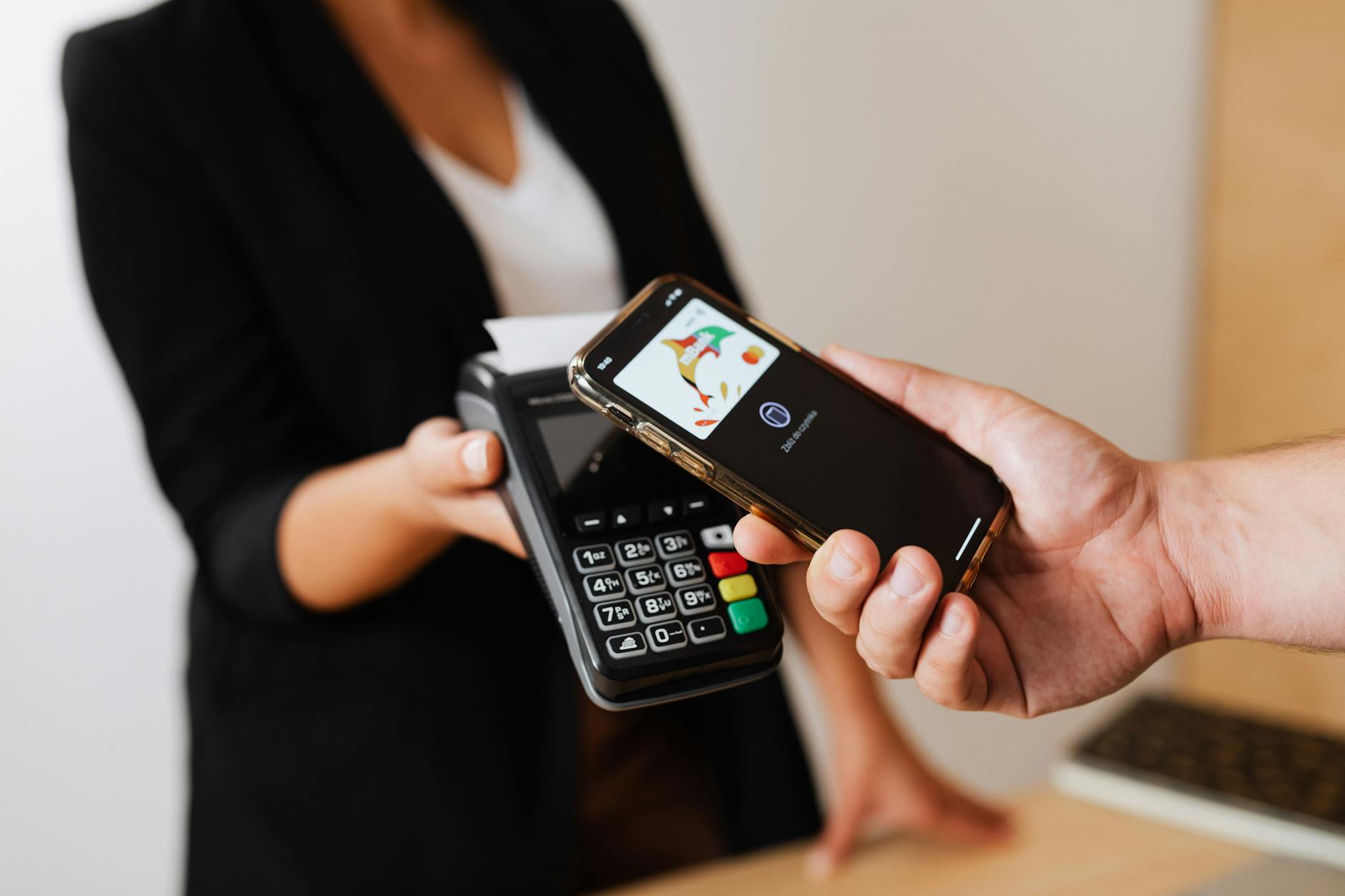
Apple Wallet’s appeal lies in its streamlined approach to financial management. Users can access their primary checking account, credit cards, and even cryptocurrency balances without navigating through multiple apps or remembering different passwords. The Face ID authentication system provides both security and convenience, allowing transactions to complete in seconds rather than minutes.
Recent updates have transformed Apple Wallet from a simple card storage system into a full-featured financial platform. Users can now view detailed transaction histories, set spending limits, and receive real-time notifications for all payment activity. The integration with Apple Pay means that online purchases, in-store payments, and peer-to-peer transfers all flow through the same interface.
Banking industry analysts note that traditional financial institutions are struggling to match Apple’s user experience. While bank apps often feel clunky and outdated, Apple Wallet benefits from the company’s design expertise and seamless integration with iOS. The result is a financial tool that feels natural and intuitive to iPhone users who have grown accustomed to Apple’s design language.
Beyond Basic Banking: Advanced Financial Features
Apple Wallet now offers features that many traditional banking apps lack. The Savings account, launched in partnership with Goldman Sachs, provides competitive interest rates without minimum balance requirements. Users can automatically transfer Daily Cash rewards from Apple Card purchases directly into their savings, creating an effortless way to build wealth over time.
The platform’s budgeting tools have become increasingly sophisticated. Users can categorize expenses automatically, track spending patterns across multiple cards, and receive insights about their financial habits. These features rival dedicated budgeting apps like Mint or YNAB, but with the advantage of being built directly into the iPhone’s operating system.
Apple’s partnership network continues to expand, bringing more financial services under the Wallet umbrella. Credit monitoring, loan applications, and investment tracking are all becoming available through third-party integrations that maintain Apple’s signature clean interface. This ecosystem approach means users rarely need to leave Apple Wallet to handle their financial needs.
Security Concerns and Banking Industry Response
The migration toward Apple Wallet has raised questions about data privacy and financial security. While Apple emphasizes its commitment to user privacy and its policy of not selling customer data, some financial experts express concern about concentrating so much financial activity within a single tech company’s ecosystem. The company’s Secure Element technology and tokenization processes provide robust protection, but critics argue that traditional banks offer additional regulatory protections.
Major banks are responding to the Apple Wallet trend by redesigning their mobile applications and partnering more closely with Apple. JPMorgan Chase, Citibank, and other institutions have integrated deeper Apple Wallet functionality, allowing customers to access advanced banking features without leaving Apple’s interface. This hybrid approach attempts to retain customer relationships while acknowledging Apple’s superior user experience.
The regulatory landscape is also evolving. Financial regulators are examining how tech companies like Apple should be overseen when they provide banking-adjacent services. The Consumer Financial Protection Bureau has indicated interest in ensuring that Apple Wallet users receive the same protections as traditional bank customers, particularly regarding dispute resolution and fraud protection.
The Future of Mobile Finance
Industry observers predict that Apple Wallet’s growth will continue accelerating as more financial institutions recognize the platform’s dominance among iPhone users. The introduction of features like buy-now-pay-later options and enhanced business payment tools suggests Apple is positioning Wallet as a comprehensive financial operating system rather than just a payment method.
This shift mirrors broader changes in consumer behavior, where users increasingly prefer integrated experiences over standalone applications. Just as foldable tablets are replacing traditional laptops for business users, Apple Wallet is becoming the primary financial interface for millions of consumers who value convenience and design over traditional banking relationships.
The implications extend beyond individual users. Small businesses are adapting their payment systems to accommodate customers who prefer Apple Wallet transactions. Restaurants, retail stores, and service providers are investing in NFC-enabled payment terminals and integrating with Apple’s business payment systems to meet customer expectations.
Traditional banks face a critical decision: continue competing against Apple’s superior user experience or embrace deeper integration with Apple’s platform. Early indicators suggest that collaboration rather than competition may be the winning strategy, with banks focusing on their core strengths in lending and financial advice while allowing Apple to handle the customer interface.
The transformation of Apple Wallet from a simple card storage app to a comprehensive financial platform represents one of the most significant shifts in consumer banking since the introduction of ATMs. As Apple continues expanding its financial services and more users abandon traditional banking apps, the company is fundamentally reshaping how Americans manage their money in the digital age.
Frequently Asked Questions
Is Apple Wallet safer than traditional banking apps?
Apple Wallet uses Secure Element technology and tokenization, but traditional banks offer additional regulatory protections and deposit insurance.
Can Apple Wallet completely replace my bank account?
Apple Wallet integrates with bank accounts but cannot replace them entirely, as you still need underlying banking relationships for deposits and loans.