




Cellular towers can’t reach everywhere, but satellites can. Budget Android phones are quietly gaining access to messaging technology once reserved for emergency responders and expedition leaders, fundamentally changing how we think about staying connected.
The shift began with Apple’s Emergency SOS via satellite feature on iPhone 14 models, but the real revolution is happening in the Android ecosystem. Companies like Bullitt Group, Nothing, and several Chinese manufacturers are integrating satellite messaging capabilities into phones priced under $400, making this once-premium technology accessible to millions of users worldwide.
Unlike traditional SMS that relies on cellular tower coverage, satellite messaging works anywhere with a clear view of the sky. This breakthrough addresses a critical gap in global connectivity, particularly for users in rural areas, developing nations, or anyone traveling beyond cellular coverage zones.
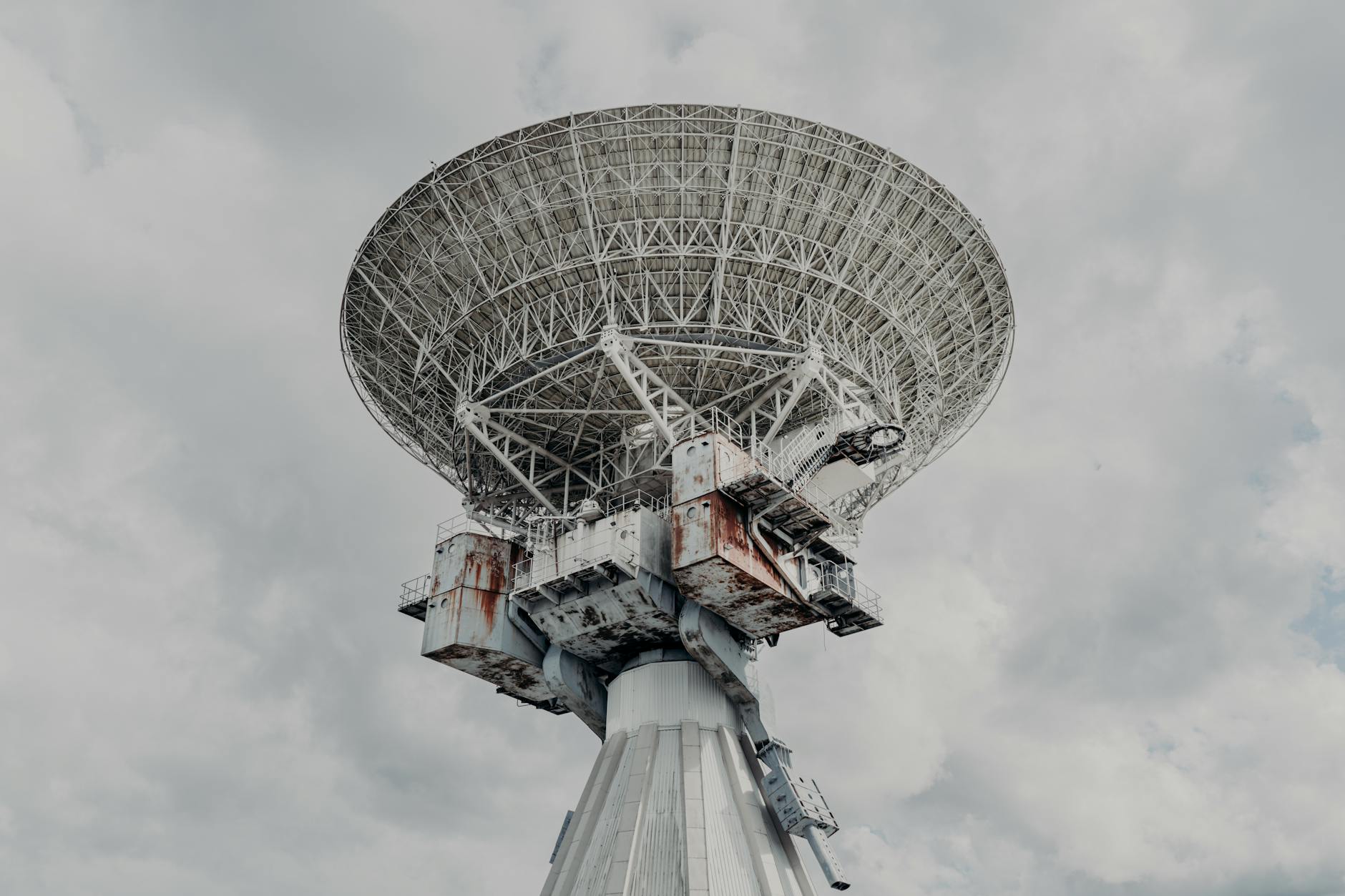
The Technology Behind Budget Satellite Messaging
Satellite messaging on budget phones primarily uses Low Earth Orbit (LEO) satellites from providers like Globalstar, Iridium, and emerging networks like AST SpaceMobile. These satellites orbit much closer to Earth than traditional geostationary satellites, reducing signal delay and power requirements – crucial factors for battery-powered mobile devices.
The key innovation lies in software-defined radio chips and advanced antenna design. Companies like MediaTek and Qualcomm have developed chipsets that can handle both terrestrial cellular signals and satellite communication without significantly increasing manufacturing costs. These chips automatically switch between cellular and satellite networks based on availability and signal strength.
Budget phone manufacturers achieve cost savings by partnering with satellite network operators on volume licensing deals. Instead of paying premium per-message rates, users typically get basic satellite messaging included in their phone plan or through affordable monthly subscriptions starting around $5-15 per month.
The messaging experience differs from traditional SMS in important ways. Satellite messages often take 15-30 seconds to send compared to instant SMS delivery. Character limits are stricter, typically 140-160 characters per message. Most implementations focus on text-only communication, though some newer systems support basic location sharing and emergency alerts.
Real-World Impact on Global Communication
Rural communities represent the biggest beneficiaries of budget satellite messaging. Farmers in remote areas can now communicate crop prices, weather updates, and equipment needs without relying on spotty cellular coverage. Small business owners in developing regions gain access to mobile banking and communication tools previously unavailable due to infrastructure limitations.
Emergency services are embracing this technology as a backup communication method. When Hurricane Ian devastated Florida’s cellular infrastructure in 2022, satellite messaging kept many residents connected to family and emergency services. Budget phones with satellite capability provide this lifeline to lower-income communities previously unable to afford premium emergency communication devices.
The technology also impacts international travel and outdoor recreation. Budget-conscious travelers can maintain contact with home without purchasing expensive international roaming plans or satellite phone rentals. Hikers, campers, and remote workers gain communication options previously limited to expensive dedicated satellite devices costing hundreds or thousands of dollars.

Delivery services and logistics companies are integrating satellite-enabled budget phones for drivers and field workers operating in areas with poor cellular coverage. This ensures continuous tracking, communication, and safety monitoring across their entire operational territory.
Market Competition Driving Innovation
The satellite messaging space is experiencing intense competition as traditional telecom companies, satellite operators, and phone manufacturers race to capture market share. T-Mobile’s partnership with SpaceX aims to provide satellite texting directly through existing phone plans, while Verizon explores similar partnerships with Amazon’s Project Kuiper constellation.
Chinese manufacturers like Xiaomi, Oppo, and Honor are aggressively incorporating satellite features into mid-range devices, often at price points significantly lower than comparable Western alternatives. This competition drives rapid innovation in antenna design, power efficiency, and user interface development.
Traditional satellite communication companies face disruption as smartphone manufacturers develop direct relationships with satellite operators. Companies like Garmin and Iridium, long dominant in handheld satellite communication devices, now compete with $200 Android phones offering similar messaging capabilities.
Software integration represents another competitive battleground. Android phones are increasingly adopting features that seamlessly blend satellite and cellular messaging in unified interfaces. Users don’t need to learn separate apps or procedures – the phone automatically routes messages through the best available network.
Challenges and Limitations
Despite rapid advancement, budget satellite messaging faces significant technical and regulatory challenges. Battery consumption remains a primary concern, as satellite communication requires more power than cellular connections. Manufacturers are implementing intelligent power management systems that activate satellite radios only when necessary.
Regulatory approval varies significantly between countries. While the United States and European Union have established clear frameworks for satellite messaging services, many developing nations lack specific regulations, creating uncertainty for manufacturers and service providers.
Weather conditions affect satellite messaging reliability more than cellular communication. Heavy cloud cover, storms, and atmospheric interference can disrupt satellite signals, particularly for lower-powered budget devices with smaller antennas. Users must understand these limitations and plan accordingly for critical communications.
Network capacity presents another challenge as adoption grows. Current satellite constellations were designed for specialized use cases, not mass-market smartphone communication. Providers are rapidly launching additional satellites to meet growing demand, but capacity constraints could temporarily limit service quality during peak adoption periods.
The integration of satellite messaging into budget Android phones represents more than a technological advancement – it’s democratizing global communication access. As manufacturing costs decrease and satellite networks expand, this technology will become standard rather than premium, fundamentally changing expectations about staying connected anywhere on Earth.
Within the next two years, industry analysts predict satellite messaging will become as common on budget phones as GPS navigation is today. This transformation will blur the lines between local and global communication, making universal connectivity a reality rather than a luxury reserved for the wealthy or technically sophisticated.
Frequently Asked Questions
Do budget Android phones really support satellite messaging?
Yes, manufacturers like Bullitt Group and Chinese brands are integrating satellite messaging into phones under $400 through partnerships with LEO satellite networks.
How much does satellite messaging cost on budget phones?
Basic satellite messaging typically costs $5-15 monthly through subscription plans or is included with phone service, much cheaper than dedicated satellite devices.