




Overwatch 2’s ranked mode has a retention problem, and Marvel Rivals is the direct beneficiary. Players who once built their competitive identities around Blizzard’s hero shooter are quietly migrating to NetEase’s superhero brawler – and the shift is becoming harder to ignore.
Why Ranked Overwatch 2 Players Are Burning Out
The frustration with Overwatch 2’s competitive system has been building for years. Role queue restrictions, frequent hero reworks, and a rank reset cycle that many players describe as demoralizing have created a ladder experience that feels more punishing than rewarding. When you spend a season climbing to Platinum only to get reset back toward Silver, the motivation to start again erodes fast. That loop works when the game around it feels fresh. Overwatch 2 increasingly does not.
Blizzard’s decision to monetize the game aggressively through a battle pass and expensive cosmetic bundles added another layer of resentment. Players who had purchased loot boxes in Overwatch 1 found themselves starting from scratch in a free-to-play model that front-loads frustration. The competitive side of the game felt disconnected from the monetization structure – grinding ranked matches earned you very little that felt meaningful in terms of rewards, while the cosmetics you actually wanted sat behind a paywall. That combination of grind-heavy competition and expensive cosmetics is a slow drain on player goodwill.
Hero balance patches have also created a volatility problem. A character that carries you through one ranked season can become nearly unplayable after a patch, forcing players to reinvest time learning new mains. For casual competitive players – the backbone of any ranked ecosystem – that kind of upheaval is exhausting rather than exciting. The players most likely to stick around are hardcore enough to adapt on the fly, but that group is smaller, and ranked queues without a healthy mid-tier population slow down and become more unpleasant for everyone.
There is also a broader fatigue with the Overwatch brand itself. The game launched in 2016 as a phenomenon, and for years it dominated conversations about team-based competitive shooters. That cultural energy has faded. Overwatch 2 launched in 2022 to skepticism, lost its PvE ambitions in a very public way, and has struggled to recapture the excitement of its predecessor. A player base that has already stayed through several disappointments is primed to leave when something genuinely new arrives.
What Marvel Rivals Is Doing Right for Competitive Players
Marvel Rivals launched with a ranked structure that feels immediately accessible without being shallow. The hero roster draws from one of the most recognizable intellectual properties in entertainment, which lowers the barrier to entry for players who want to jump into competitive without studying an unfamiliar cast. Knowing that Doctor Strange plays defensively and Spider-Man rewards mobility-focused aggression takes seconds to intuit if you already have a passing familiarity with Marvel characters. That onboarding speed matters enormously for converting curious players into competitive regulars.
NetEase also made a smart early call by not tying hero unlocks to a paywall. All heroes are available to all players for competitive purposes, which removes one of the central complaints about Overwatch 2’s business model. When ranked integrity is the concern, nothing poisons the well faster than the suspicion that paying players have access to a stronger toolset. Marvel Rivals sidestepped that narrative entirely, and the competitive community noticed. Cosmetics are sold, characters are not – a distinction that competitive players treat as a matter of basic fairness.
The game’s team composition system, built around character synergies tied to established Marvel team groupings, gives ranked play a strategic layer that rewards game knowledge over raw mechanical execution alone. A player who understands how specific combinations of characters amplify each other has a genuine edge – and that kind of depth keeps competitive players engaged long after the novelty of the IP wears off. Strategy-based advantages are stickier than reflex-based ones because they reward continued investment in the game’s systems.
Marvel Rivals has also benefited from a relatively stable patch rhythm during its early competitive seasons. Balance changes have been present but not destabilizing, which means players who commit to a hero can reasonably expect that investment to hold value for more than a few weeks. That stability is exactly what burned Overwatch 2 players are looking for. After years of adapting to Blizzard’s constant reworks, consistency reads as respect for the player’s time.
The streaming and content ecosystem around Marvel Rivals has accelerated its competitive legitimacy faster than most new releases manage. High-profile players from the Overwatch scene migrating publicly to Marvel Rivals and streaming their ranked climbs creates a visible pipeline that signals the game’s competitive scene is worth joining. Player migration in competitive games is social as much as it is mechanical – people follow the community, and right now that community has momentum on its side. This kind of organic word-of-mouth growth is something other competitive genres have also seen recently, as established ecosystems lose players to newer entrants offering cleaner ranked experiences.
What Blizzard Needs to Answer
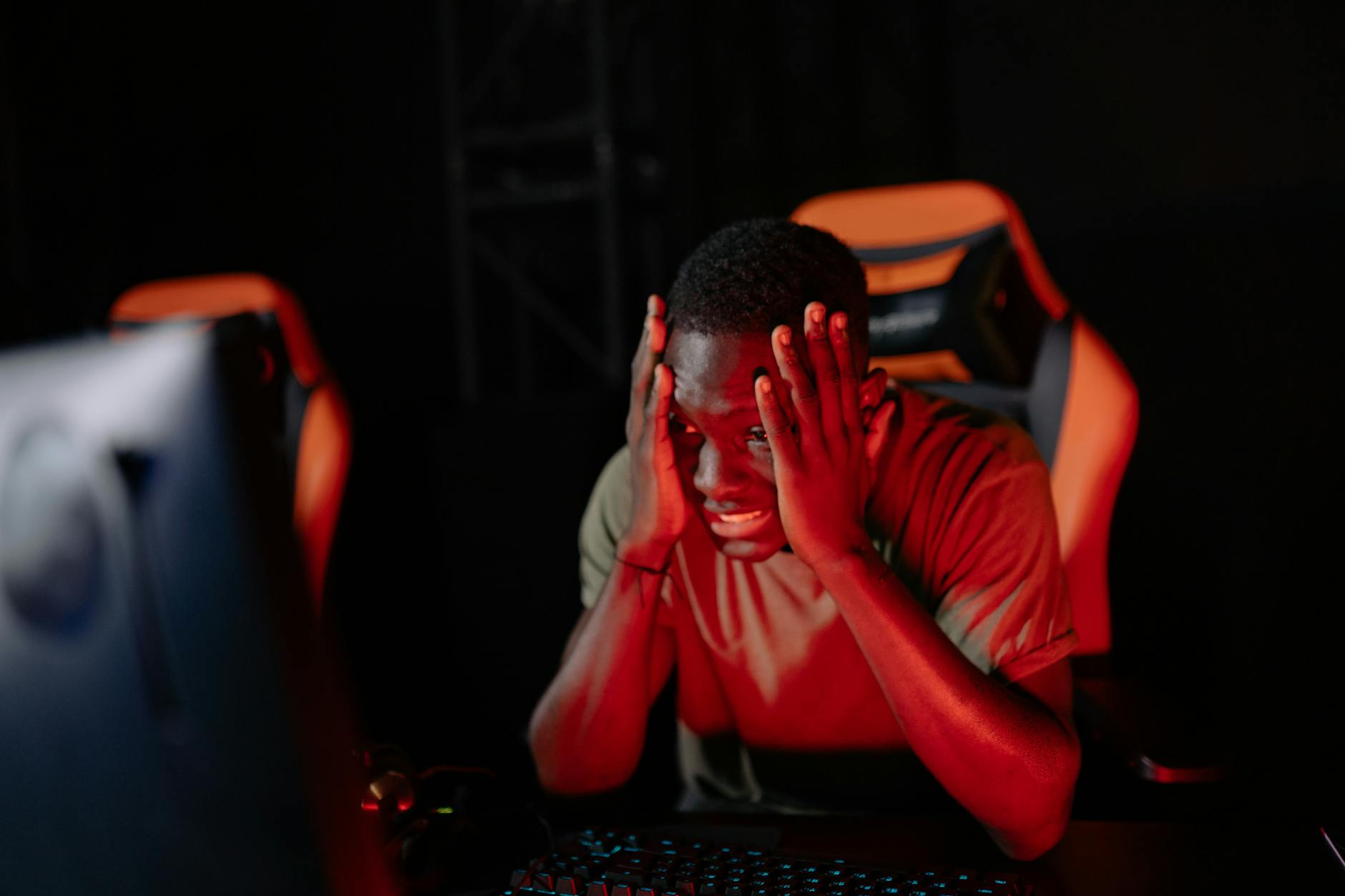
Blizzard is not out of options, but the window to act is shorter than it might appear. The players currently experimenting with Marvel Rivals are still in the early phases of competitive investment – they have not yet built deep ranked histories, streamer communities, or social networks inside that game. A meaningful overhaul of Overwatch 2’s ranked reward structure, combined with more transparent hero balance communication, could still pull some of them back. The harder problem is that Blizzard needs to offer something Marvel Rivals does not, rather than simply matching it.
The more uncomfortable question is whether Overwatch 2’s competitive audience has simply aged out of the kind of patience a live-service recovery requires. Players who were in their early twenties at Overwatch’s 2016 peak are now closer to thirty, with less time and less tolerance for ranked systems that feel designed to frustrate. Marvel Rivals arrived at the right moment for exactly that demographic – and Blizzard has no patch for good timing.