


Professional photographers who once carried light meters worth hundreds of dollars now reach for their iPhones instead. The latest iPhone camera sensors have evolved beyond simple photography tools to become sophisticated instruments capable of precision light measurement that rivals dedicated professional equipment.
This transformation stems from Apple’s continuous hardware improvements and the photographic community’s growing recognition that modern smartphone sensors can deliver professional-grade results. Third-party developers have seized this opportunity, creating apps that transform iPhones into fully functional light meters for cinematographers, photographers, and lighting professionals.
Advanced Sensor Technology Enables Precision Measurement
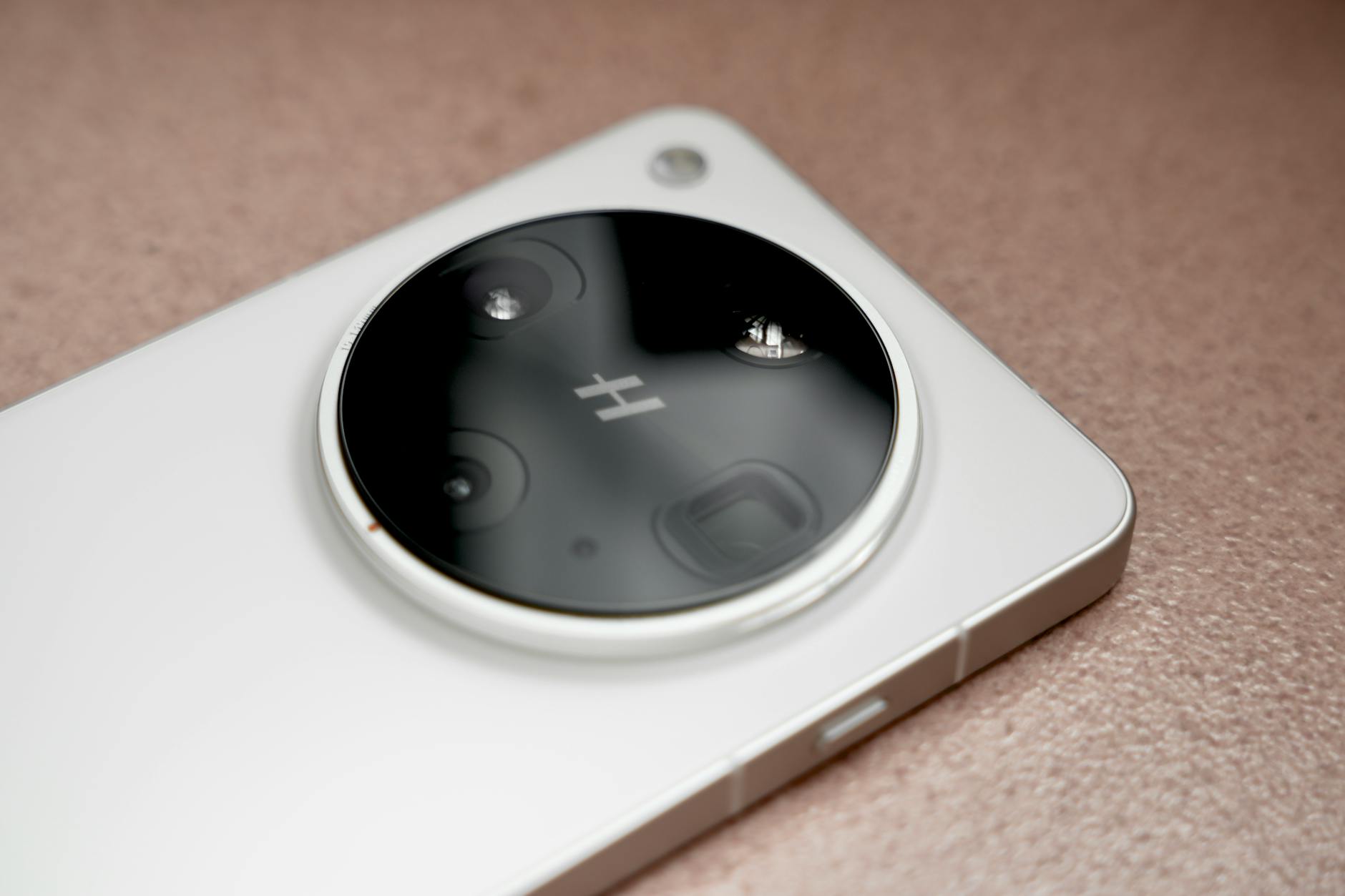
The iPhone’s camera system now incorporates multiple sensors working in harmony to gather comprehensive light data. The main wide-angle sensor, combined with the ultra-wide and telephoto lenses on Pro models, creates a sophisticated light-reading network that can analyze exposure across different focal lengths simultaneously.
Apple’s computational photography engine processes this sensor data through machine learning algorithms that account for various lighting conditions. The system can differentiate between ambient light, artificial illumination, and mixed lighting scenarios with remarkable accuracy. Professional apps like Lumu Power and Light Meter by WBPhoto leverage this sensor data to provide incident and reflected light readings comparable to traditional handheld meters.
The True Tone display technology, which adjusts screen color temperature based on ambient light sensors, also contributes to more accurate light measurement capabilities. These ambient light sensors work alongside the camera sensors to provide environmental context that enhances measurement precision.
Professional colorists and cinematographers have noted that iPhone-based light meter apps can now provide readings within one-tenth of a stop compared to dedicated instruments costing significantly more. This level of accuracy makes iPhones viable alternatives for many professional applications where traditional light meters were previously essential.
Professional Apps Transform Consumer Hardware
Several sophisticated applications have emerged that unlock professional light meter functionality on iPhones. Lumu Power stands out as a comprehensive solution offering incident, reflected, and flash metering capabilities. The app provides readings in various units including EV, lux, foot-candles, and candela per square meter.
Pocket Light Meter represents another professional-grade option that cinematographers frequently use for video production work. The app offers spot metering functionality that rivals dedicated spot meters, allowing users to measure specific areas within a frame with precision. Film photographers particularly appreciate its ability to provide Zone System readings for black and white photography.
Light Meter by WBPhoto focuses on simplicity while maintaining professional accuracy. The app excels in mixed lighting conditions, automatically adjusting for color temperature variations that can throw off traditional meters. Its clean interface appeals to photographers who need quick, reliable readings without complex menu navigation.
These applications demonstrate how sophisticated software can extract professional capabilities from consumer-grade hardware. The apps utilize the iPhone’s computational photography pipeline, accessing raw sensor data that standard camera apps don’t expose to users.
Integration with Professional Workflows
Professional photographers and cinematographers are incorporating iPhone light meters into established workflows with surprising success. Wedding photographers report using iPhone apps for quick exposure checks in challenging lighting conditions where pulling out a dedicated meter might be disruptive or time-consuming.
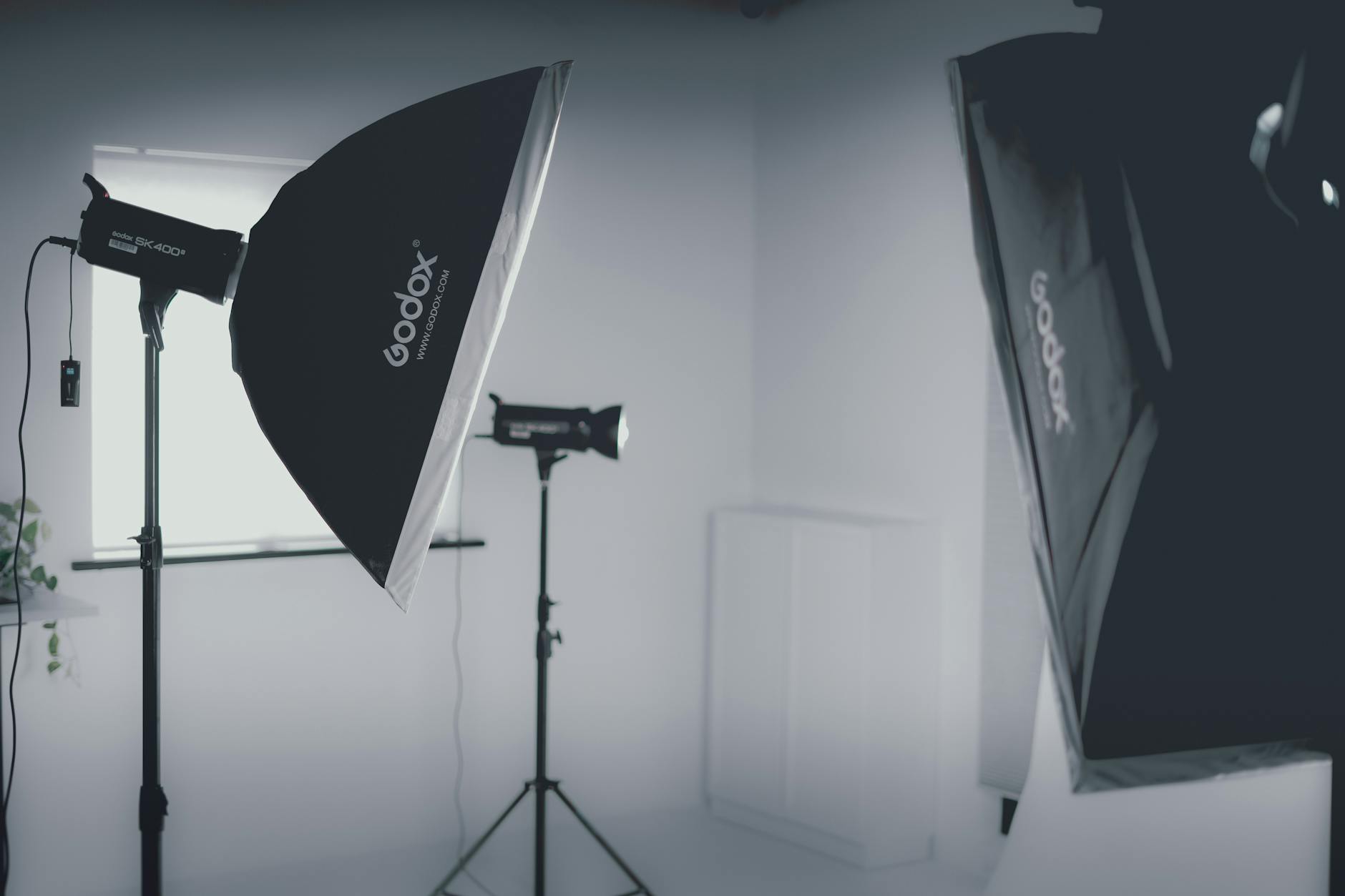
Commercial photographers working in studio environments find iPhone meters particularly useful for preliminary lighting setup. The ability to quickly measure multiple light sources and ratios speeds up the lighting process before switching to cameras for final shots. Some photographers use iPhones as backup meters, ensuring they always have reliable light measurement capabilities available.
Cinematographers working on independent film productions increasingly rely on iPhone-based meters for budget-conscious shoots. The cost savings compared to professional light meter kits can be substantial, especially for productions requiring multiple measurement points simultaneously. Multiple crew members can use iPhone apps to coordinate lighting setups across different areas of a set.
The integration extends beyond individual use to collaborative workflows. Some apps allow multiple devices to share readings through cloud synchronization, enabling lighting teams to coordinate measurements across large sets or multiple locations. This collaborative capability represents functionality that traditional hardware meters cannot easily provide.
Like smartphone cameras gaining microscope capabilities for field research, iPhone light meters demonstrate how mobile devices are replacing specialized professional equipment across various industries.
Limitations and Professional Considerations
Despite impressive capabilities, iPhone-based light meters face certain limitations that professionals must consider. The phone’s form factor can be less convenient than dedicated meters in some situations, particularly when working in tight spaces or when wearing gloves. Traditional light meters often feature larger, more readable displays that remain visible in bright conditions where phone screens might struggle.
Battery life presents another consideration for extended shoots. Professional light meters typically offer days or weeks of operation on a single battery, while iPhones require more frequent charging during intensive use. Backup power solutions become essential for productions relying heavily on iPhone-based measurement tools.
Calibration accuracy can vary between individual iPhone units, though high-end apps often include calibration features to address this issue. Professional meters undergo rigorous calibration processes that ensure consistency across units, while consumer devices may exhibit slight variations in sensor sensitivity.
Weather resistance represents a significant factor for outdoor photography and cinematography. While recent iPhones offer improved water resistance, they don’t match the rugged construction of professional light meters designed for harsh environmental conditions.
The future of mobile light measurement technology appears increasingly sophisticated as Apple continues advancing camera sensor capabilities. Rumored developments in iPhone camera systems suggest even more precise light measurement functionality in upcoming generations. Professional photographers and cinematographers who embrace these mobile solutions now position themselves at the forefront of an evolving industry where the line between consumer and professional equipment continues to blur.
As smartphone cameras become increasingly capable of professional tasks, the traditional boundaries between specialized equipment and mobile devices are dissolving, creating new opportunities for creative professionals willing to adapt their workflows to leverage these powerful pocket-sized instruments.
Frequently Asked Questions
Can iPhone light meter apps match professional equipment accuracy?
Yes, high-end apps like Lumu Power provide readings within one-tenth of a stop compared to dedicated professional light meters.
Which iPhone light meter apps do professionals recommend?
Lumu Power, Pocket Light Meter, and Light Meter by WBPhoto are the most popular choices among photographers and cinematographers.