




The Managed Democracy Hangover Is Real
Helldivers 2 burned brighter and faster than almost any co-op shooter in recent memory. Now, as that flame dims, players are finding their way to a game that quietly never stopped being good: Deep Rock Galactic.
What Happened to Helldivers 2’s Momentum
Arrowhead Game Studios launched Helldivers 2 in February 2024 to extraordinary player counts, with Steam charts showing numbers that few live-service games ever see in their opening weeks. The game’s loop – chaotic bug-stomping, friendly fire disasters, and a surprisingly sharp satirical tone – was genuinely fresh. For several months, it was the co-op game. Then the cracks appeared.
A string of controversial balance updates frustrated a core segment of the playerbase. Weapons that players had built their playstyles around were nerfed repeatedly, sometimes with explanations that felt thin or dismissive. The community’s relationship with the development team, which had started warm and participatory, cooled noticeably. Forum threads and Reddit posts shifted from celebration to exhaustion. The “Managed Democracy” framing, once a charming meta-joke, started to feel like an ironic comment on the game’s actual design philosophy.
Server capacity issues in the early weeks also left a lasting dent. Players who wanted to jump in during launch and hit a wall came back months later to a community arguing about patch notes instead of organizing missions. The window for converting curious newcomers into long-term players is short in live-service gaming, and Helldivers 2 missed a portion of that window simply through growing pains it wasn’t prepared for. Arrowhead has since made notable corrections – walking back some nerfs, communicating more openly – but recovering player trust takes longer than losing it.
Steam concurrent player numbers dropped from peak highs into territory that, while still healthy by most games’ standards, represents a significant retreat from the game’s high-water mark. The question that naturally follows any such retreat: where do those players go?
Deep Rock Galactic Was Waiting With a Beer
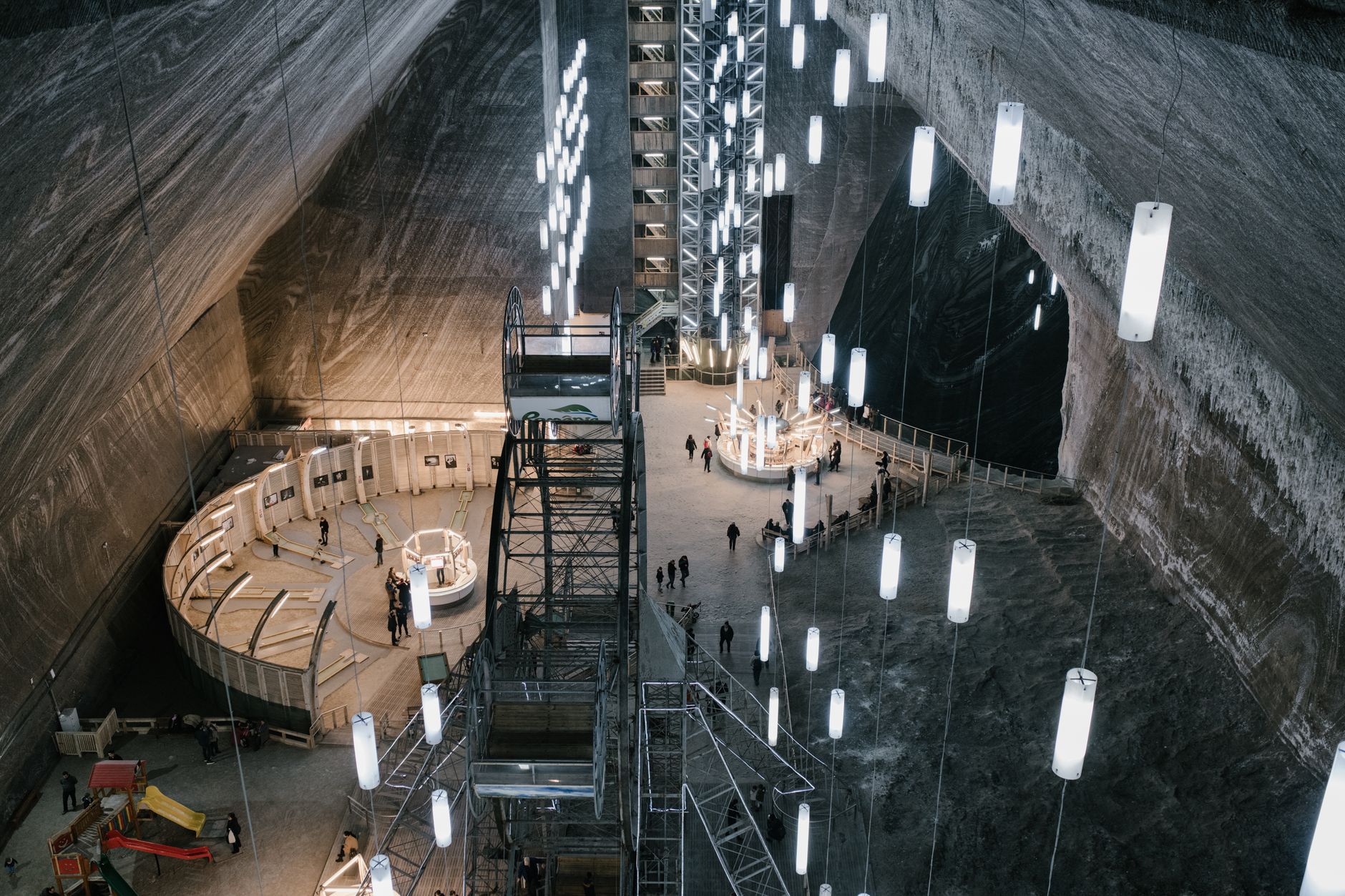
Ghost Ship Games released Deep Rock Galactic in full in May 2020 after an Early Access run, and it has maintained a devoted player base ever since. The game puts four players in the boots of space dwarves mining hostile caves on an alien planet – a premise that sounds niche but plays with remarkable breadth. The caves are procedurally generated, the bugs are plentiful, and the cooperative mechanics are genuinely interdependent in ways that most shooters only gesture toward.
What’s drawing burned-out Helldivers 2 players to it now is almost comically direct: the game respects your time and your loadout. Deep Rock Galactic has a history of considered, conservative balance changes. Ghost Ship doesn’t swing a nerf hammer across multiple weapon classes in a single patch and ask the community to figure it out. The studio’s approach treats player investment in a build as something worth protecting, only adjusting outliers and doing so with visible care. That philosophy produces a player base that trusts the developers, and that trust is magnetic to players who’ve just come from the opposite experience.
The community culture around Deep Rock also operates differently. The in-game salute system, the “Rock and Stone” callout that has become the game’s unofficial anthem, the way experienced players instinctively help new ones without being asked – these aren’t accidents. They’re downstream effects of a game designed without punishing competitive pressure. There’s no PvP mode. There are no leaderboards pushing players to gate-keep or optimize against each other. You’re either drilling with your squad or you’re not.
Steam reviews for Deep Rock Galactic sit at “Overwhelmingly Positive” across tens of thousands of entries, a rating that’s held steady for years rather than fluctuating with each update cycle. That consistency is a data point in itself. When a game sustains that kind of goodwill across multiple years and seasonal updates, it signals something structural about how the studio operates, not just a lucky launch window. New players discovering this mid-2024 are arriving to a game that has already proven it won’t betray them three patches from now.
There’s also a pricing factor worth considering. Deep Rock Galactic is frequently discounted, its base price is modest, and its season pass content doesn’t wall off core gameplay. Cosmetics are earnable in-game without a premium currency conversion dance. For players fatigued by the live-service model’s typical monetization architecture, this feels less like charity and more like basic competence – but after enough exposure to the alternative, basic competence reads as refreshing.
This pattern of players migrating from a stumbling live-service title toward a more stable alternative isn’t new. Destiny 2’s ongoing instability has pushed players toward older entries in that franchise, reflecting a similar dynamic where community trust erodes and players seek something they can count on. Deep Rock is benefiting from the same psychological mechanism – not because it’s perfect, but because it’s consistent.
Ghost Ship’s Quiet Advantage
Ghost Ship Games is a small studio operating without the structural pressure that shapes decision-making at larger publishers. Deep Rock Galactic doesn’t need to hit quarterly targets or justify its design choices to a parent company with a portfolio to manage. That independence shows up directly in how the game plays and how it changes over time. Seasons introduce new content – new enemy variants, new weapons, new cosmetics – without removing or degrading what already exists. The game that players fell in love with in 2020 is still recognizably present in 2024, just with more in it.
The irony is that Deep Rock Galactic wasn’t trying to capture Helldivers 2 refugees. It was just continuing to be what it already was. That’s the position every live-service game wants to be in and almost none manage to sustain: so reliably good that when a competitor stumbles, your player count benefits automatically. The question now is whether Arrowhead can course-correct Helldivers 2 enough to recapture the players it lost – or whether a significant chunk of them have simply found a home underground, mining minerals with a team of loud, cheerful dwarves who never once nerfed the Minigun without a very good reason.