



When Publisher Silence Becomes a Signal
Armored Core: Last Raven quietly celebrated its 20th anniversary this year, and Bandai Namco said nothing. No remaster announcement, no anniversary stream, no limited physical re-release. Just silence from the publisher that owns one of mech gaming’s most revered franchises. And predictably, the community did what it always does when the corporate side goes quiet: it organized.
Speedrunning communities around Armored Core: Last Raven have seen a measurable uptick in activity, with players returning to one of the most technically demanding entries in the series to either grind personal bests or attempt the game for the first time on PS2 emulation. Discord servers dedicated to the FromSoftware-era Armored Core catalog are logging new members regularly, and Last Raven’s leaderboards on sites like Speedrun.com have received fresh submissions after months of dormancy.
Publisher silence, at this point, functions almost like a marketing event.

Why Last Raven Specifically
Among the pre-reboot Armored Core titles, Last Raven occupies a strange position. It was released in 2005 as what felt like a definitive statement on the PS2 era of the series – a game so densely packed with missions, AC parts, and branching faction routes that even dedicated players took years to fully map it. The combat system rewards an almost obsessive level of tuning. A single percentage point change in your AC’s energy output can determine whether a particular boss fight is survivable or not. That depth has kept a small but intensely committed player base engaged long after the PS2’s cultural moment passed.
The Armored Core 6 release in 2023 served as an unexpected gateway. A generation of players who came to the franchise through FromSoftware’s modern reputation went back to trace the lineage, and Last Raven sat at the end of that historical trail like a final exam. The game does not hold your hand. Its mission briefings assume familiarity with the universe’s political factions, its difficulty spikes are abrupt, and its Arena mode features AI opponents that can dismantle an underprepared build in seconds. For a certain type of player, that is the entire appeal.
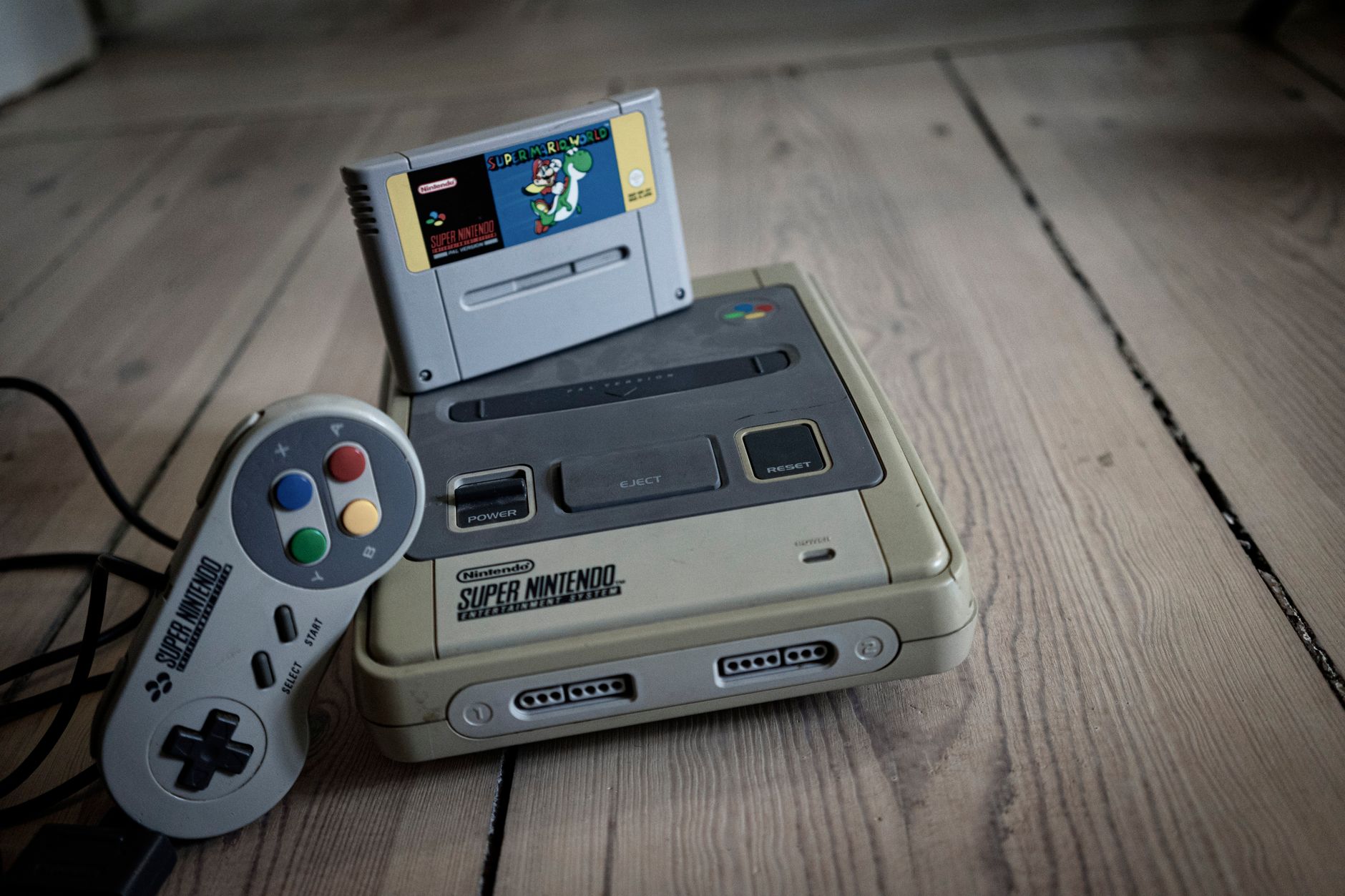
Emulation has removed one of the biggest barriers. Running Last Raven through PCSX2 with upscaled resolution and stable framerates makes the game more accessible than it ever was on real hardware, where disc reading issues and component video setups were a genuine friction point. New players are now meeting the game on better technical terms than many veterans did originally.
The Pattern Behind the Return
This is not unique to Armored Core. Namco’s Splatterhouse silence sent fans back to the 2010 release in a similar pattern, with community activity spiking precisely because no official re-release was on the horizon. When a publisher holds a franchise dormant, the existing fanbase tends to consolidate around what already exists rather than waiting. The absence of a new product removes distraction and focuses attention on the catalog.
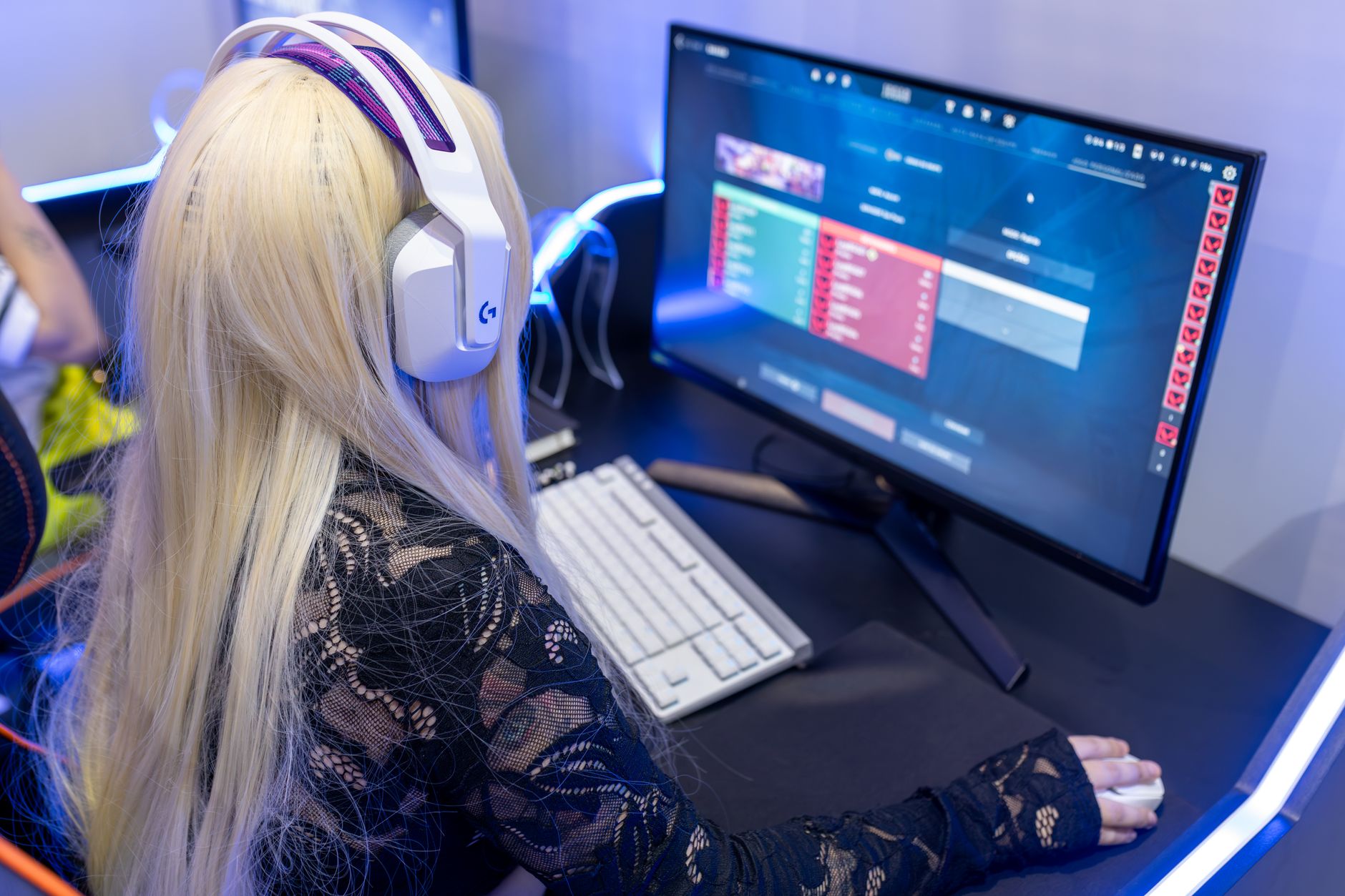
For Last Raven specifically, the speedrunning revival carries a particular energy because the game’s any-percent routes are still being refined. The AC builder community and the speedrunning community overlap significantly here, since shaving time often means engineering a custom mech loadout that can clear specific mission clusters faster than the standard meta build. Category extensions – runs that complete additional objectives or use specific part restrictions – are being developed in real time, which gives the community a sense of ongoing creative work rather than just revisiting settled ground.
The content creator side of the equation matters too. Several mid-size YouTube channels covering retro and legacy mech games have produced Last Raven deep-dives in recent months, including AC part tier lists for the 2005 build and historical comparisons between Last Raven’s Arena mode and Armored Core 6’s PvP structure. That kind of video content drives search traffic back toward the game and pulls in viewers who might not have known it existed.
What Bandai Namco’s Silence Actually Costs
The irony is that a remaster announcement would probably fracture this momentum rather than amplify it. Speedrunning communities tend to fracture when a remaster introduces version differences, emulation runners split from console runners, and the unified leaderboard energy dissipates. Right now, Last Raven has exactly one canonical version most players are running, and that simplicity is keeping the community tight. Bandai Namco’s inaction is, accidentally, preserving something the community actually values. Whether that calculus changes the moment a remaster gets announced – and it will, eventually – is the question nobody in the Last Raven scene is quite ready to answer.
Frequently Asked Questions
Is Armored Core Last Raven available on modern platforms?
No official modern port exists. Most players currently run it through PCSX2 emulation with upscaled settings.
Why are speedrunners returning to Armored Core Last Raven now?
A mix of Armored Core 6’s 2023 release drawing new fans to the back catalog, improved emulation, and no official remaster to split the community’s attention.