




The Quiet That Speaks Loudest
Bandai Namco has said nothing about a new Ace Combat. No teaser, no trademark filing leak, no cryptic social media post. Just silence – and that silence is doing something interesting to the fanbase.
A Franchise That Built Its Own Mythology
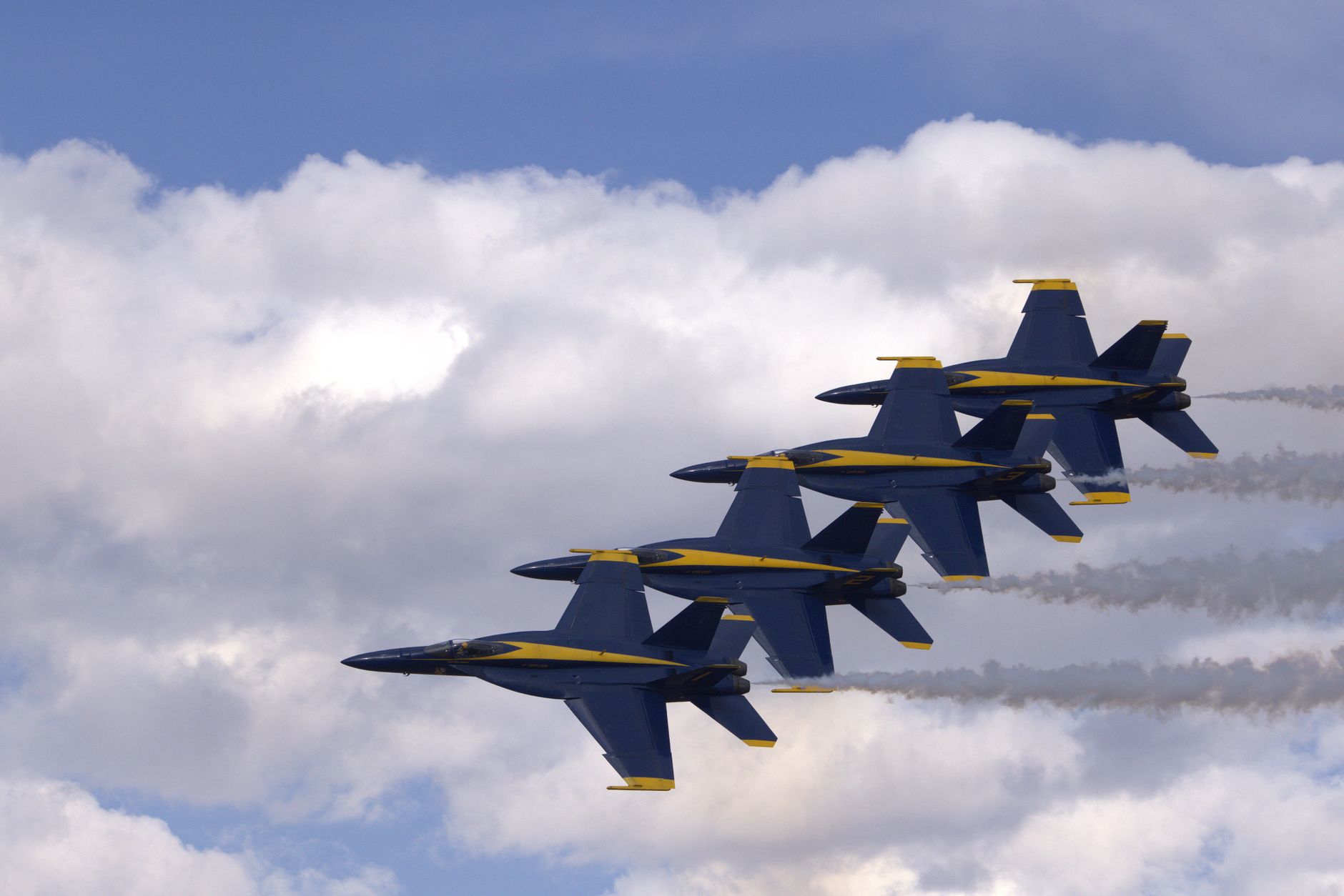
Ace Combat is not a straightforward flight simulator franchise. It is, at its core, an arcade flight action series with geopolitical fiction layered on top – alternate-world nations, superweapons, dogfights set to orchestral scores that belong in a cathedral rather than a cockpit. The series has always operated in its own lane, and fans who found it never really left. That attachment runs deep, which is exactly why the absence of any announcement has become its own kind of event.
Ace Combat 7: Skies Unknown launched in 2019 and performed well enough to remind Bandai Namco that the franchise still had commercial pull. It sold steadily over multiple years, benefited from VR support on PlayStation 4, and introduced a new generation of players to the series’ particular flavor of aerial warfare storytelling. By most measures, it was a success that warranted a follow-up. The fact that no follow-up has materialized – or even been whispered about officially – is what has the community spinning.
Online forums, subreddits, and Discord servers dedicated to the franchise have shifted from speculation threads into something closer to retrospectives. Players are not just asking “when is the next game?” anymore. They are going back. Ace Combat Zero: The Belkan War, originally released in 2006 for PlayStation 2, is getting discussed with the kind of reverence usually reserved for games that defined a generation. For many in the community, it already did.
Zero is a specific kind of game. It puts the player in the role of a legendary mercenary pilot known only as “Galm 1,” reconstructed through interviews with former enemies after the fact. The narrative structure is unusual for an action game – deliberately fragmented, morally ambiguous, and anchored by a final confrontation that the series has never quite matched since. The game asks what it means to fight without a cause beyond the fight itself, and it does so while you’re pulling off barrel rolls at Mach 2. That combination is not easy to replicate.
Why Silence Sends Players Backward
There is a logic to what happens when a fanbase has nothing new to consume. Anticipation has nowhere to go, so it turns inward. Players return to the catalog not just out of nostalgia but out of a desire to understand what made the series worth caring about in the first place. Zero benefits from this more than any other entry because it sits at the exact intersection of what fans want more of – strong writing, a memorable antagonist, and a final mission that has been cited in community discussions for nearly two decades.
The phenomenon is not unique to Ace Combat. Valve’s prolonged silence around Half-Life 3 pushed fans back toward Half-Life: Alyx in a similar pattern – a franchise holding still long enough that players started mining the existing catalog with new attention. Waiting, when it extends long enough, becomes a form of rediscovery.
What makes the Ace Combat case interesting is the quality gap within the franchise’s own history. Not every entry in the series is held in equal regard. Ace Combat Assault Horizon, released in 2011, took the series in a direction that felt closer to a generic military shooter with planes, and its reception among longtime fans was lukewarm at best. Zero and Ace Combat 5: The Unsung War represent the high-water marks for many players, and both predate the current console generation by nearly two decades. The community returning to those titles is essentially voting on what they want a new game to look like.
Bandai Namco is almost certainly aware of this. The company’s social channels for the franchise have not gone completely dark – they post occasional fan art reposts and anniversary acknowledgments – but there is no content roadmap, no “we hear you” corporate messaging, no drip of information to manage expectations. That restraint is either strategic or a sign that development on any new title is so early that there is genuinely nothing to say. Both interpretations feed the same cycle of speculation.
The modding community has also filled some of the vacuum. PC versions of older titles have accumulated mods that update textures, tweak flight models, or add content that was cut from original releases. This kind of grassroots activity tends to spike when a franchise goes quiet – players take ownership of the catalog because the publisher isn’t actively shaping the narrative. It keeps engagement alive in a way that no marketing team orchestrated.
What Zero Actually Represents
Returning players are not just replaying Zero for the gameplay loop, though the combat holds up remarkably well. They are returning for the ending – specifically the final duel with Pixy, a former wingman turned antagonist whose motivations the game deliberately refuses to simplify. He is not wrong in his critique of the world he’s trying to burn down. He is just choosing the most destructive possible response to it. That ambiguity is rare in action games, and it makes the confrontation land differently on a second or third playthrough than it did on the first.
The question Bandai Namco now faces – whenever they do surface with something – is whether a new Ace Combat can carry that kind of weight. Zero set a standard that Ace Combat 7, for all its technical achievements, did not fully reach in terms of storytelling. The silence is not just frustrating the fanbase; it is raising the stakes. Every month without an announcement is another month the community spends with Zero, recalibrating what they expect a great Ace Combat to actually be.