




When Controllers Become Optional
The standard gamepad has ruled console and PC gaming for decades, a near-universal piece of hardware that players rarely questioned. Now a growing community of builders is quietly routing around it entirely, fabricating custom arcade sticks from scratch – sourcing Sanwa buttons, Seimitsu joystick assemblies, and laser-cut acrylic panels – and those builds are starting to pull real money away from first-party controller sales.
This is not a hobbyist footnote. The DIY arcade stick scene has matured into a structured ecosystem, with dedicated PCB manufacturers, online communities numbering in the tens of thousands, and a parts supply chain that rivals entry-level consumer electronics. The question is no longer whether custom sticks can compete with retail controllers on quality. For a specific and growing slice of the market, they already do.
What the Build Community Actually Looks Like
Forums like Shoryuken’s Tech Talk board and dedicated Discord servers have functioned as unofficial engineering schools for years. Members share wiring diagrams, stress-test actuation forces on new microswitches, and post side-by-side latency comparisons between Brook Universal Fight Boards and native console controllers. The technical depth is serious – discussions routinely cover polling rates, SOCD cleaning logic, and button membrane degradation curves. This is not casual tinkering.
Brook Automation, a Taiwanese PCB manufacturer, has become the backbone of the scene by producing fight boards that authenticate as licensed controllers on PlayStation, Xbox, and Nintendo hardware simultaneously. A single Brook Universal Fighting Board retails for roughly $40 to $60 and allows a fully custom stick to work across every major platform. That single component effectively removes the platform-lock that once forced players to buy separate controllers for separate consoles – a significant structural change in how hardware loyalty works.
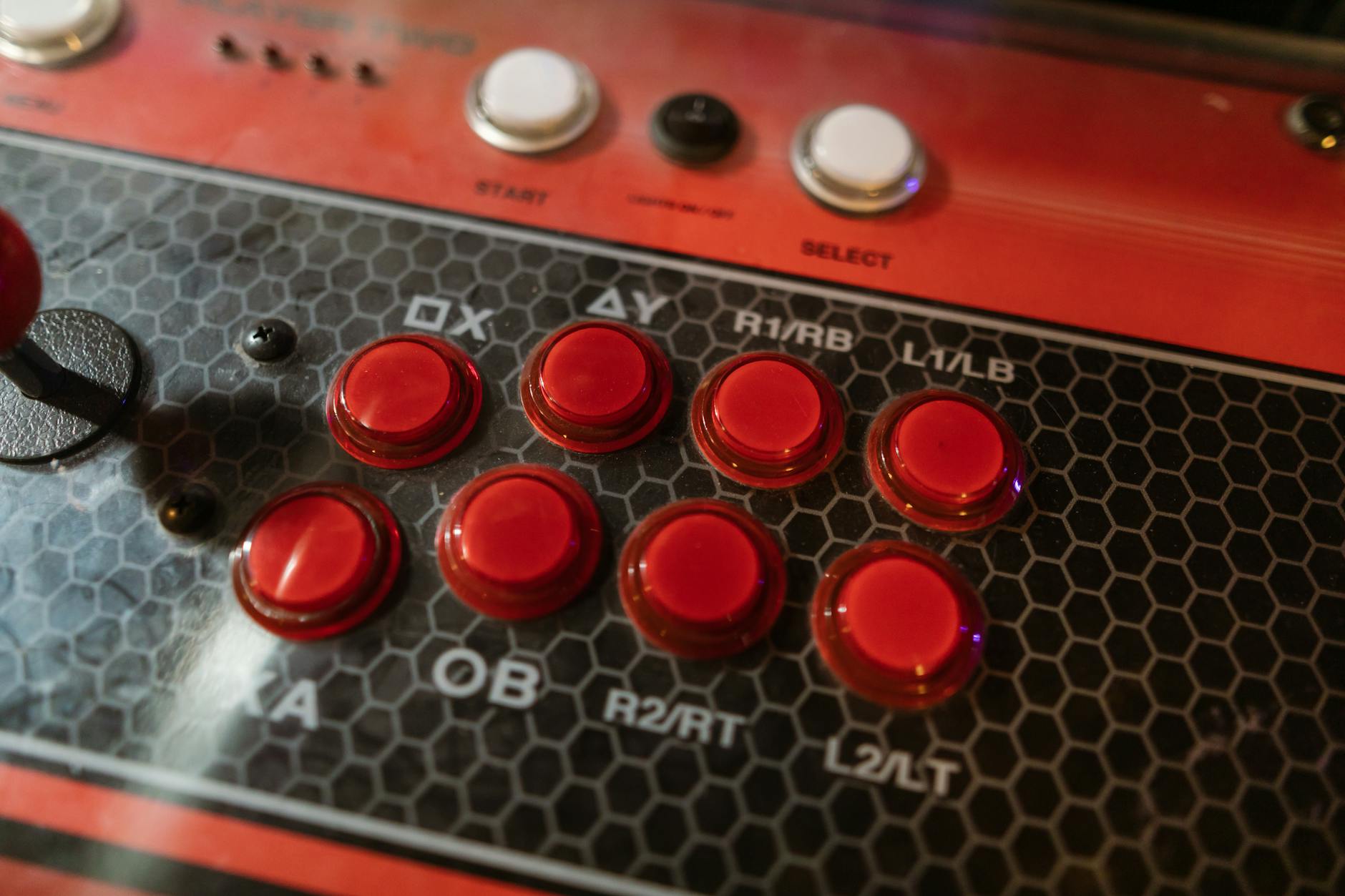
Parts costs for a mid-range custom build – Japanese lever, eight 30mm Sanwa buttons, a Brook board, and a basic wooden or acrylic enclosure – typically run between $80 and $130 depending on sourcing. A first-party PlayStation 5 DualSense retails at $74.99. A premium Xbox Elite Series 2 runs $179.99. The math is not straightforward, because arcade sticks serve a different use case, but for the fighting game community and a widening circle of retro and SHMUP players, that cost comparison is increasingly relevant.
Where the Cannibalization Is Real
The effect on mainstream controller sales is not universal – it is concentrated, and concentration is what makes it commercially meaningful. Fighting game players, shoot ’em up enthusiasts, and retro gaming communities represent niche segments, but they are also the segments with the highest hardware spend per player. These are the consumers most likely to buy a second or third controller, to replace worn hardware annually, and to purchase premium accessories. When they exit the retail controller market in favor of self-built hardware, the revenue loss to manufacturers is disproportionate to the headcount.
There is also a conversion dynamic at work. Players who build one arcade stick rarely return to standard retail controllers for the genres they play on that hardware. The tactile feedback of genuine arcade components – the audible click of a Sanwa OBSF button, the deliberate tension of a JLF lever spring – is difficult to replicate with membrane or even high-end analog controllers. Once a player has gamed on components originally designed for commercial arcade cabinets, a $70 retail pad feels like a compromise. The upgrade cycle, which controller manufacturers depend on, simply stops for those users.
Manufacturers have tried to address this before – Mad Catz and Hori both produced licensed arcade sticks at various price points, and some of those products sold well during Street Fighter IV’s peak years. But the retail fight stick market has contracted since, partly because the DIY route now offers better quality at competitive prices and partly because the community has developed enough institutional knowledge to make building accessible to non-engineers. A first-time builder with a soldering iron and a weekend can produce hardware that outperforms most retail sticks at the $150 price point.
The longer-term pressure comes from the normalization of custom input devices across gaming categories. What started as a fighting game community behavior is expanding. Retro gaming enthusiasts are building custom DB15 sticks for MiSTer FPGA setups. Indie PC players are wiring up custom leverless controllers – sometimes called “hitboxes” – for games that reward precise digital inputs. Each of those builds represents a player who is no longer buying a standard gamepad from Sony, Microsoft, or Nintendo’s accessory partners. The behavior is spreading outward from its origin point.
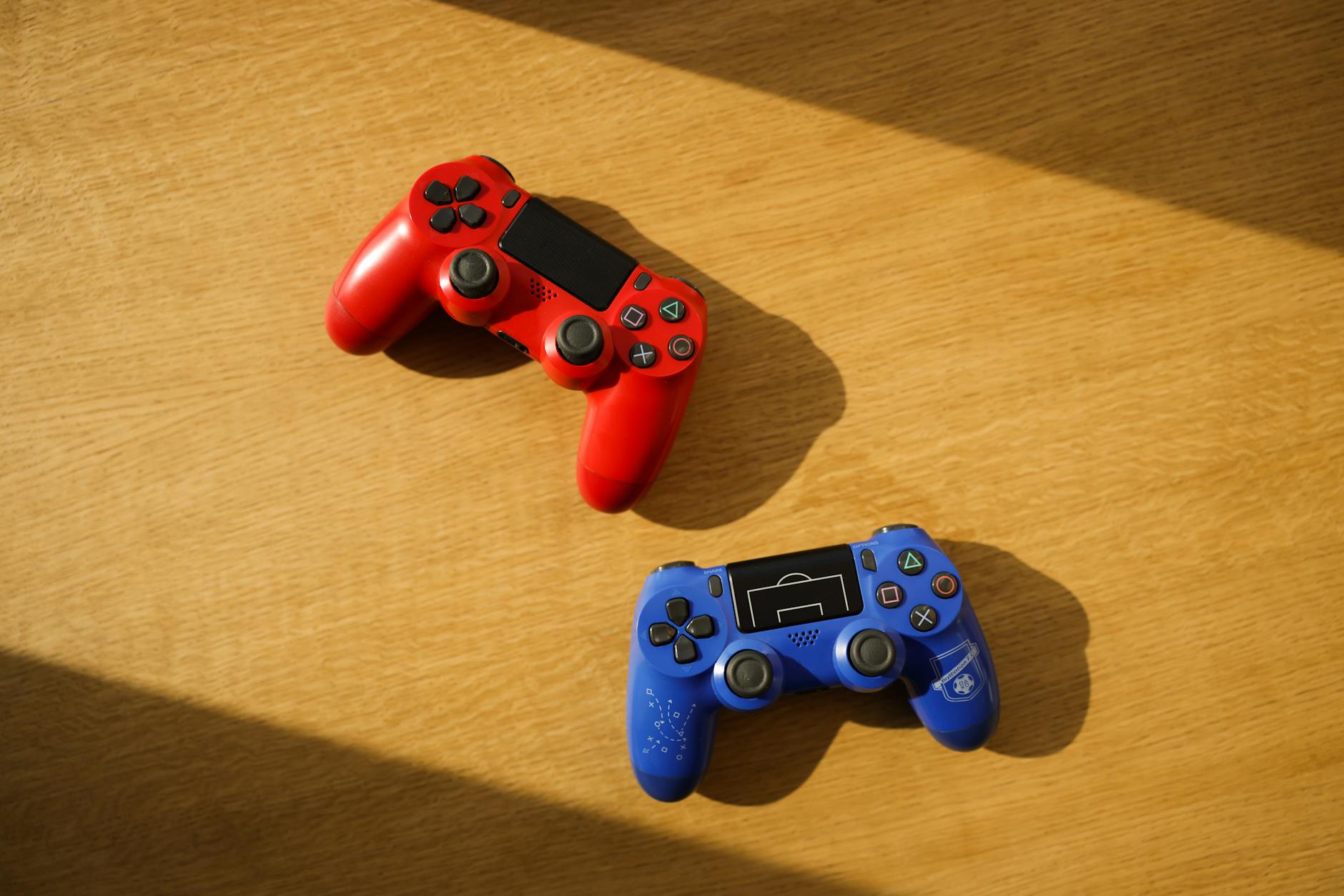
Sony and Microsoft have both invested heavily in differentiating their flagship controllers through haptic feedback, adaptive triggers, and gyroscope integration – features that arcade stick builds cannot easily replicate. That is a real defensive moat, but it protects a specific type of experience rather than the entire controller market. For genres that do not benefit from rumble or trigger resistance, those features are noise rather than value, and players in those genres are already looking elsewhere.
The arcade stick builder community is still small enough that major platform holders can reasonably deprioritize it. But the infrastructure supporting it – standardized fight boards, global parts distributors, tutorial ecosystems – is now stable enough that it will not shrink back. Every new player who builds a stick is a potential lifetime defector from the retail controller market, and the entry barriers to building have never been lower. At this point, the question for hardware manufacturers is less about whether to respond and more about whether a standardized gamepad can keep convincing players that nothing better exists.