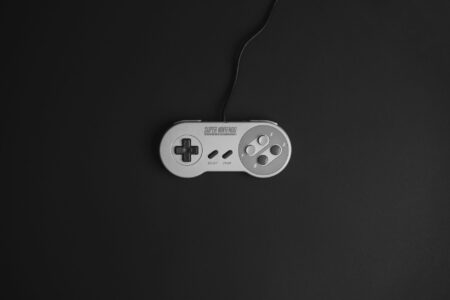





The Fighting Game Renaissance Nobody Predicted
Battle royale games dominated competitive gaming for the better part of a decade. Titles like Fortnite, Apex Legends, and PUBG pulled millions of players into a format built around large lobbies, randomized loot, and survival mechanics. For a while, it looked like the genre had permanently reshaped what competitive gaming meant – both for players and for the esports industry backing them. Then something shifted, quietly at first, and now with enough force that tournament organizers are paying attention.
Arcade fighting games are back, and they are pulling serious players with them.
The resurgence is not purely nostalgic. Street Fighter 6, Tekken 8, Mortal Kombat 1, and Guilty Gear Strive have all released to strong commercial and competitive reception within the past two years, each offering refined online infrastructure, modern control schemes, and ranked matchmaking systems that rival anything the battle royale space has built. Players who spent years grinding ranked queues in team shooters are now logging hours in training mode, learning frame data, and studying matchup charts – the kind of obsessive skill development that fighting games uniquely demand.
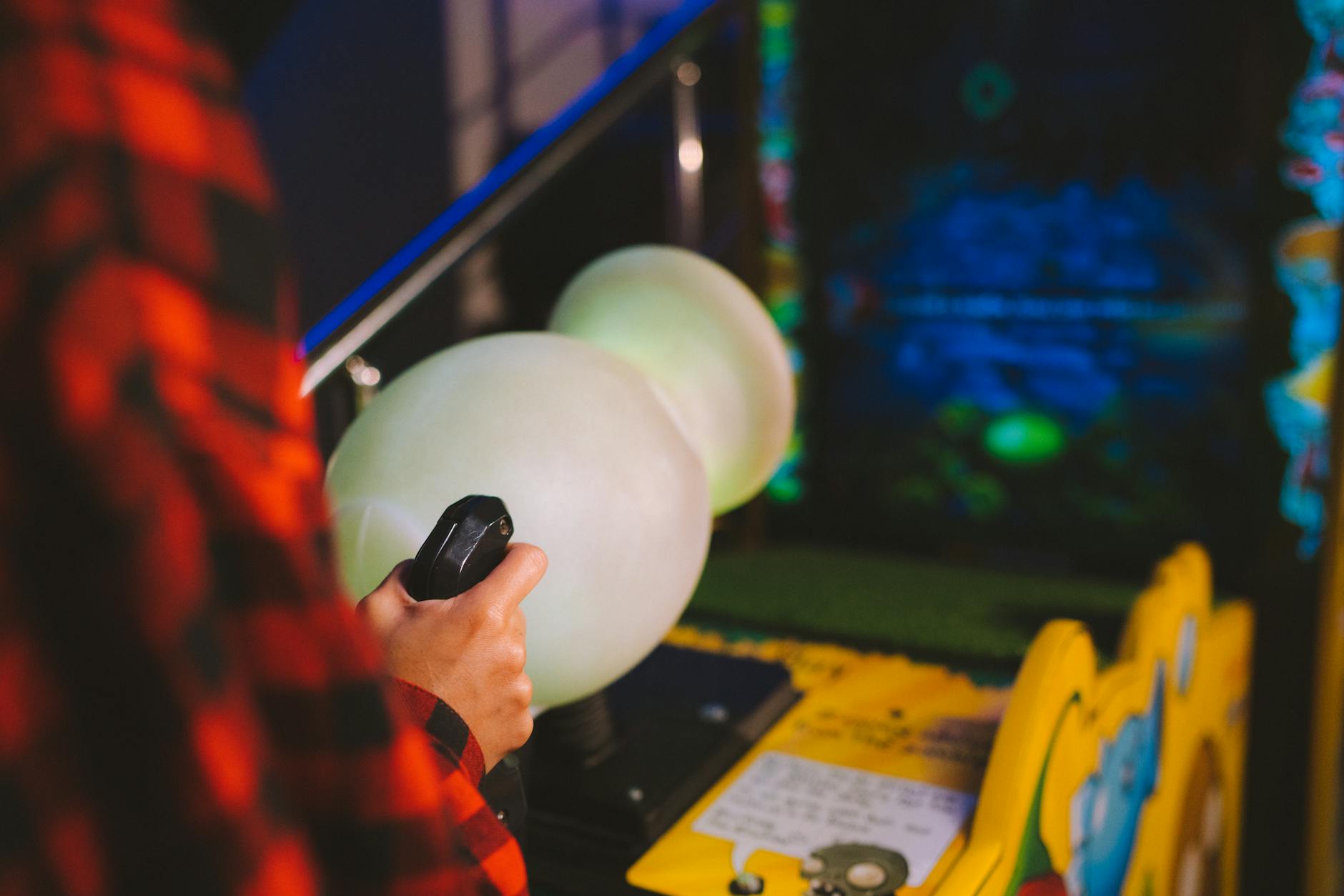
Why Battle Royales Started Losing Their Grip
The structural problem with battle royale as a competitive format is randomness. A player can make near-perfect decisions across an entire match and still lose because of a bad circle, an unlucky drop zone, or an opponent who found a better weapon in the first thirty seconds. That randomness is intentional – it keeps casual players engaged because anyone can theoretically win. But for players who want their skill to be the deciding variable, the format eventually becomes frustrating. The ceiling feels artificial.
Fighting games offer the opposite contract. Every match is one-on-one, played on the same screen, with identical starting resources. If you lose, it is because your opponent outplayed you – or because you do not yet know the matchup well enough. That directness is brutal, but it is also clarifying. There is no inventory system to blame, no server tick rate excuse, no teammate who dropped in the wrong location. The feedback loop between mistake and consequence is immediate, which makes improvement feel tangible in a way that battle royale grinding rarely does.
Burnout also plays a role. Battle royale games require long session commitments – a single match can run twenty minutes to half an hour, and dying early means sitting through a loading screen before starting again. Fighting game sessions are modular. A set of three matches takes under ten minutes, making it easy to fit practice into shorter windows without the psychological weight of a wasted forty-five-minute session.
The Infrastructure That Finally Made It Click
For years, the biggest knock against fighting games in a competitive context was their online play. Rollback netcode, which had been standard in other genres, took an embarrassingly long time to arrive in major fighting titles. Players who wanted to compete seriously had to travel to locals or rely on laggy connections that made online practice nearly useless. That excuse is now largely gone. Street Fighter 6 launched with strong netcode, crossplay, and a battle hub designed specifically around competitive interaction. Tekken 8 followed with its own online infrastructure built from the ground up for modern network conditions.
Accessibility has also improved without compromising depth. Modern control schemes introduced in recent titles give new players a way to execute special moves without strict motion inputs, lowering the barrier to entry without removing the complexity that keeps veterans engaged. A player coming from a shooter background can get into a meaningful match quickly, which reduces the historically steep drop-off that fighting games suffered when trying to bring in new audiences. The depth is still there – learning optimal combos, understanding frame advantage, and reading opponent tendencies takes hundreds of hours – but the first few hours no longer feel like hitting a wall.
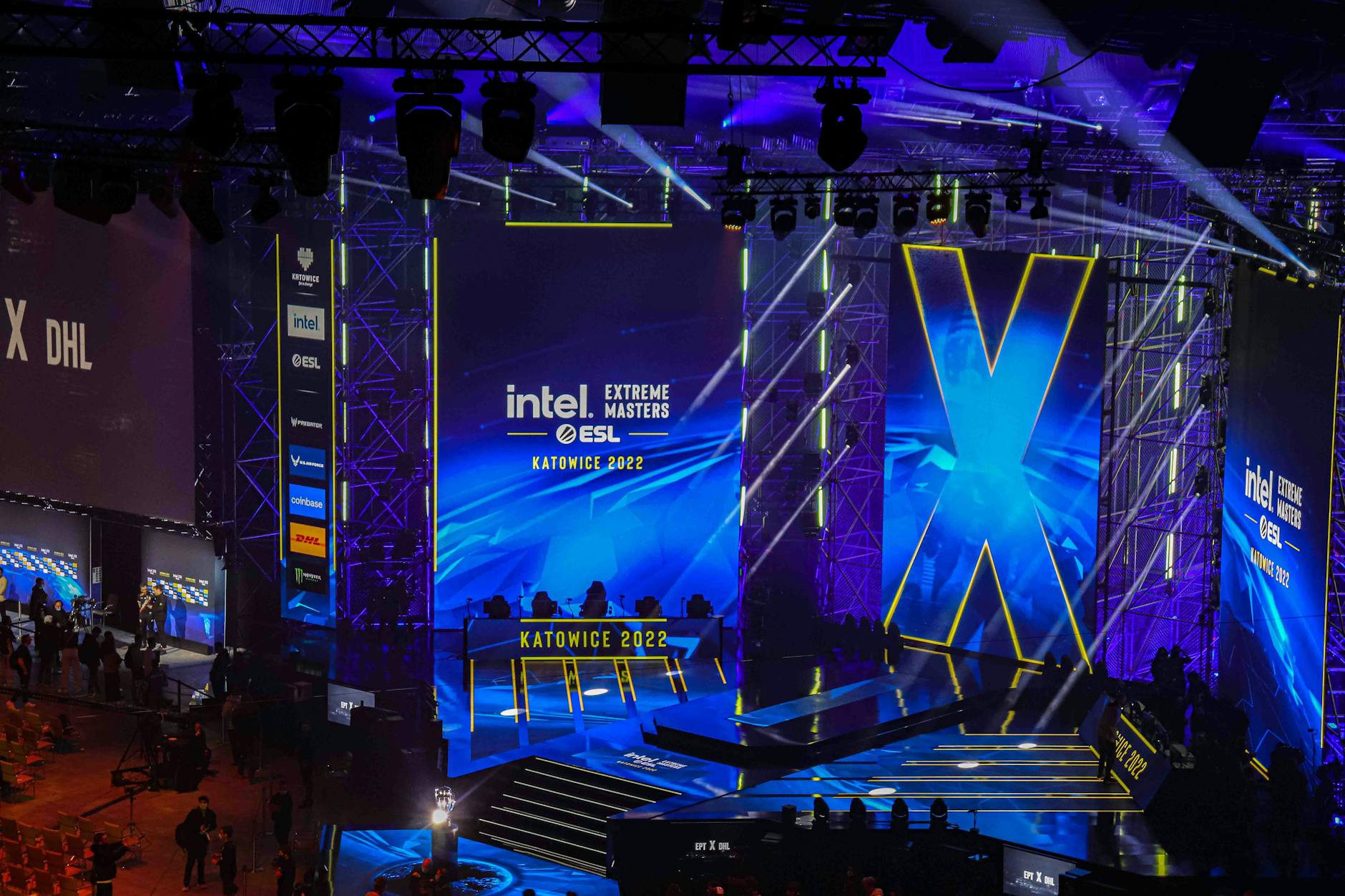
Professional esports teams are also investing more seriously in fighting games again, with some organizations building out dedicated practice facilities and custom hardware setups. The arcade stick market has seen renewed interest, and the growing complexity of hardware setups in competitive play mirrors what happened to PC peripherals during the peak of the esports boom. Players who want to go deep now have the ecosystem to support it, from custom arcade stick hardware built specifically for tournament play to coaching communities that treat the genre with the same analytical rigor as traditional esports.
Where This Goes From Here
The fighting game community has always existed at the margins of mainstream esports – respected, dedicated, but never quite occupying the center stage that shooters or MOBAs claimed. What is different now is the quality of the games arriving simultaneously, the infrastructure supporting online competition, and a generation of players who are actively choosing a harder, lonelier, more honest competitive format over the comfort of a team-based battle royale queue. The question is not whether fighting games can hold this momentum – it is whether the battle royale genre has any answer for players who have already decided that winning a 100-person lobby feels less satisfying than beating one skilled opponent three times in a row.