





The Void Activision Left Behind
Guitar Hero has been dead as a retail product since 2011, and Activision has not publicly indicated any intention to revive it. That silence – now stretching across more than a decade – has done something unexpected: it pushed a generation of rhythm game fans toward a free, community-built alternative called Clone Hero, and that community is now larger and more active than most people inside the games industry seem to realize.
How Clone Hero Filled the Gap Activision Refused to Close
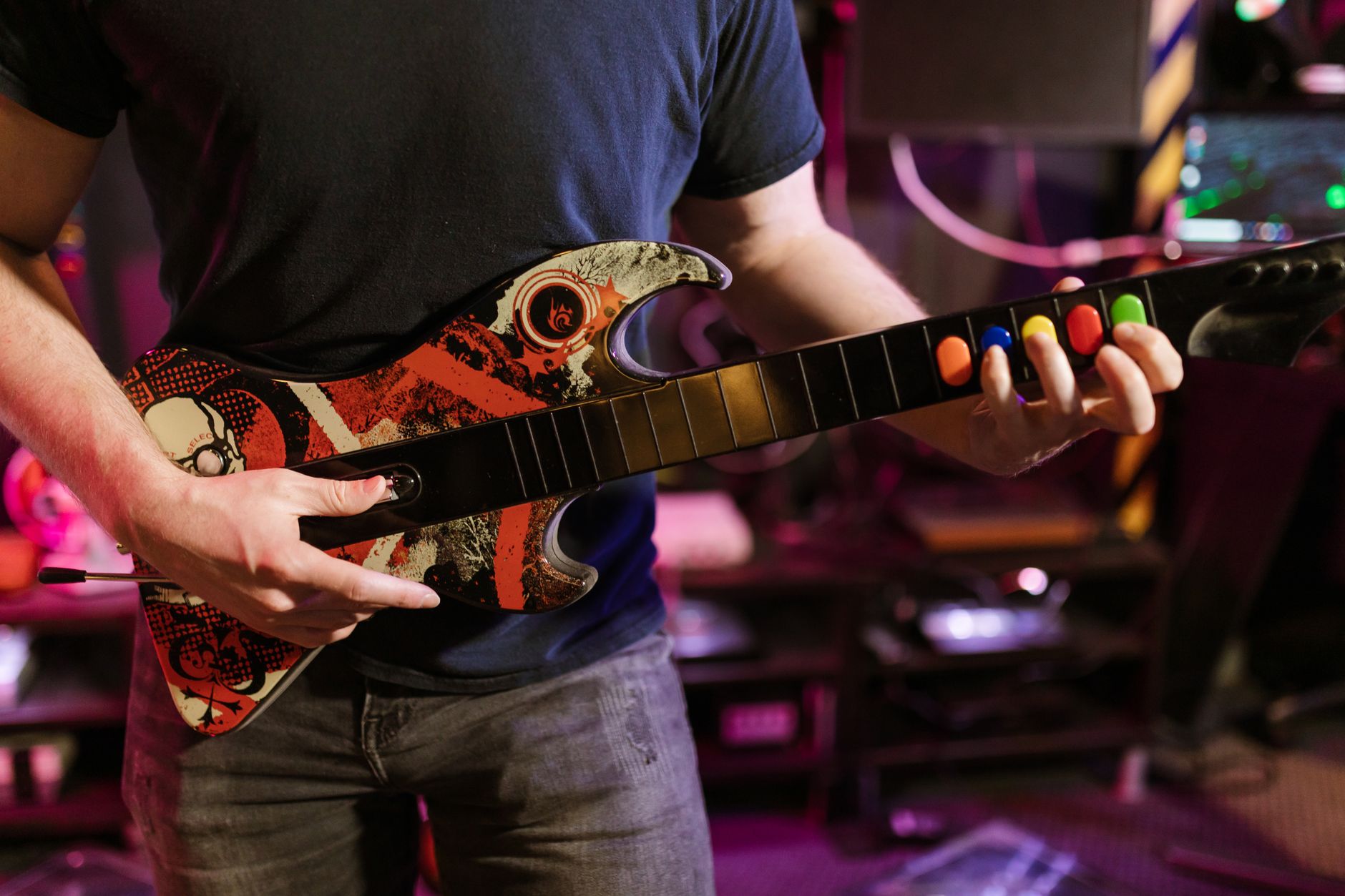
Clone Hero is a free PC game developed independently, built to replicate the Guitar Hero and Rock Band experience while extending it well beyond what either franchise ever attempted. Players use the same plastic guitar controllers from the original games, and the software supports custom charts – fan-made song files that map any track to the game’s note highway format. The result is a library of playable songs that numbers in the hundreds of thousands, covering everything from classic rock to metal, J-pop, and video game soundtracks. No licensed storefront, no DLC paywalls.
The original Guitar Hero games were shut down partly because the plastic instrument peripheral market collapsed under its own weight. Activision flooded retail shelves with bundles, the novelty wore off, and by 2011 the series was quietly shelved. But the hardware never fully disappeared – old guitars survived in closets, thrift stores, and attics. Clone Hero gave that hardware a second life, and players who were teenagers during Guitar Hero’s peak are now adults who can configure custom setups, mod controllers, and share chart packs online with genuine technical sophistication.
The Clone Hero subreddit and its associated Discord servers run active daily conversations about new chart releases, controller modifications, tournament brackets, and custom song packs themed around specific artists or genres. Weekly chart releases from community creators generate the same kind of anticipation that DLC announcements once did for the official games. Some charters – the term for people who create song files – have developed reputations and followings of their own, with their releases treated as events.
Streaming has amplified all of this. Clone Hero content performs well on Twitch and YouTube, particularly in the “impressive skill display” format where players tackle absurdly difficult expert-tier charts. Those videos function as advertisements for the game without any marketing budget behind them. A viewer who had no idea the game existed can watch a clip, download Clone Hero for free within the hour, and be playing with a USB guitar controller they ordered for under thirty dollars the same week.
Why Activision’s Silence Became a Strategic Gift to the Community
A formal Guitar Hero revival – even a well-executed one – would create immediate complications for Clone Hero. Licensing questions would surface. Activision’s legal posture toward the fan project could shift depending on commercial considerations. The community understands this dynamic, and there is a quiet undercurrent of appreciation for the fact that Activision has simply not engaged. Neglect, in this case, functions as permission.
Guitar Hero Live, the 2015 reboot from FreeStyle Games, illustrated exactly what happens when a major publisher tries to restart the format without committing to it. The game launched with a streaming service model called GHTV that required an internet connection and offered a rotating catalog rather than permanent song ownership. When Activision shut down the GHTV servers in 2018, the majority of the game’s content became permanently inaccessible. Players who bought the game lost songs they had paid for. Clone Hero, by design, cannot do that – every chart file is stored locally, and no server shutdown can erase a player’s library.
That server shutdown still comes up regularly in discussions about why the official franchise cannot be trusted to sustain itself. The argument is not ideological – it is practical. Clone Hero players have simply watched what happens when rhythm game content is tied to corporate infrastructure, and they have drawn conclusions accordingly. This pattern is not unique to Guitar Hero; the broader tension between publisher-controlled content and community-preserved alternatives is playing out across multiple franchises right now, including cases like Diablo IV’s season structure pushing players toward community-driven alternatives.
The competitive scene around Clone Hero has also matured in ways that the official games never achieved. There are organized online leagues, score-tracking leaderboards, and community tournaments with brackets and commentary. None of this required a publisher to build it. The infrastructure is maintained by volunteers using free tools, and the competitive meta is driven by players who care about the game enough to sustain it without financial incentive.
Custom hardware development has followed the same trajectory. Players have built or sourced controllers with improved fret mechanisms, reduced input latency, and better build quality than the original Activision peripherals. A cottage industry of small manufacturers sells modified or purpose-built Clone Hero controllers, some of them direct-to-consumer through small online shops. The ecosystem around a game that technically does not exist as a commercial product has developed the kind of depth that most funded indie games never reach.
What an Official Revival Would Actually Disrupt
If Activision announced a new Guitar Hero tomorrow, the immediate response from a portion of the community would be skepticism, not celebration. The concern would not be that the new game is bad – it might be excellent – but that its existence would force a legal reckoning with Clone Hero that currently does not need to happen. Activision has no clear financial motive to pursue a free fan project when that project is not competing with an active product. An official revival changes that calculus entirely.

The other disruption would be subtler: a new Guitar Hero would almost certainly launch with a curated song list, licensed content, and a DLC model. Clone Hero’s entire value proposition is the absence of those constraints. Players who have spent years building personal libraries of thousands of custom charts would be asked to pay for a fraction of that content inside a walled garden. For a player who can already access any song ever charted by the community, the math on a $70 game with forty songs and a seasonal DLC pass is not favorable – and no amount of polish or marketing changes the underlying comparison.