




The Comeback That Never Came
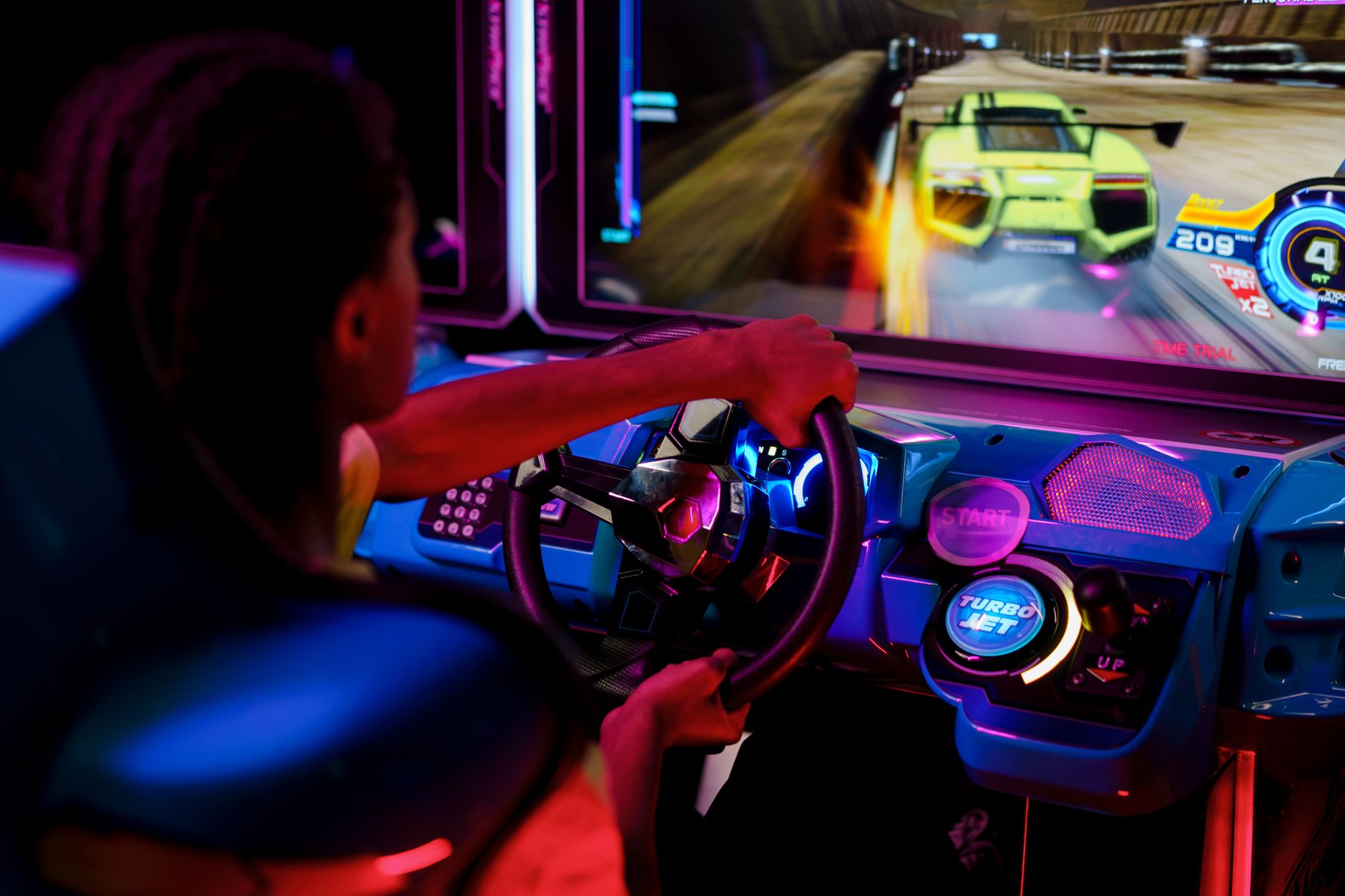
Blur was everything arcade racing fans wanted in 2010 – power-ups, real licensed cars, online chaos, and a tone that sat somewhere between Need for Speed and Mario Kart without fully committing to either. Bizarre Creations built something genuinely exciting, and then Activision watched it sell modestly, closed the studio, and buried the IP. Fifteen years later, that wound still hasn’t fully closed for a certain corner of the gaming community.
The reason Blur conversations keep resurfacing is simple: the market keeps signaling there’s appetite for grown-up arcade racers that aren’t simulation titles or karting games aimed at families. Every time that gap opens visibly, fans start refreshing social feeds hoping someone noticed.
Nintendo’s Mario Kart World has made that gap disappear – at least temporarily.
What Mario Kart World Actually Changes
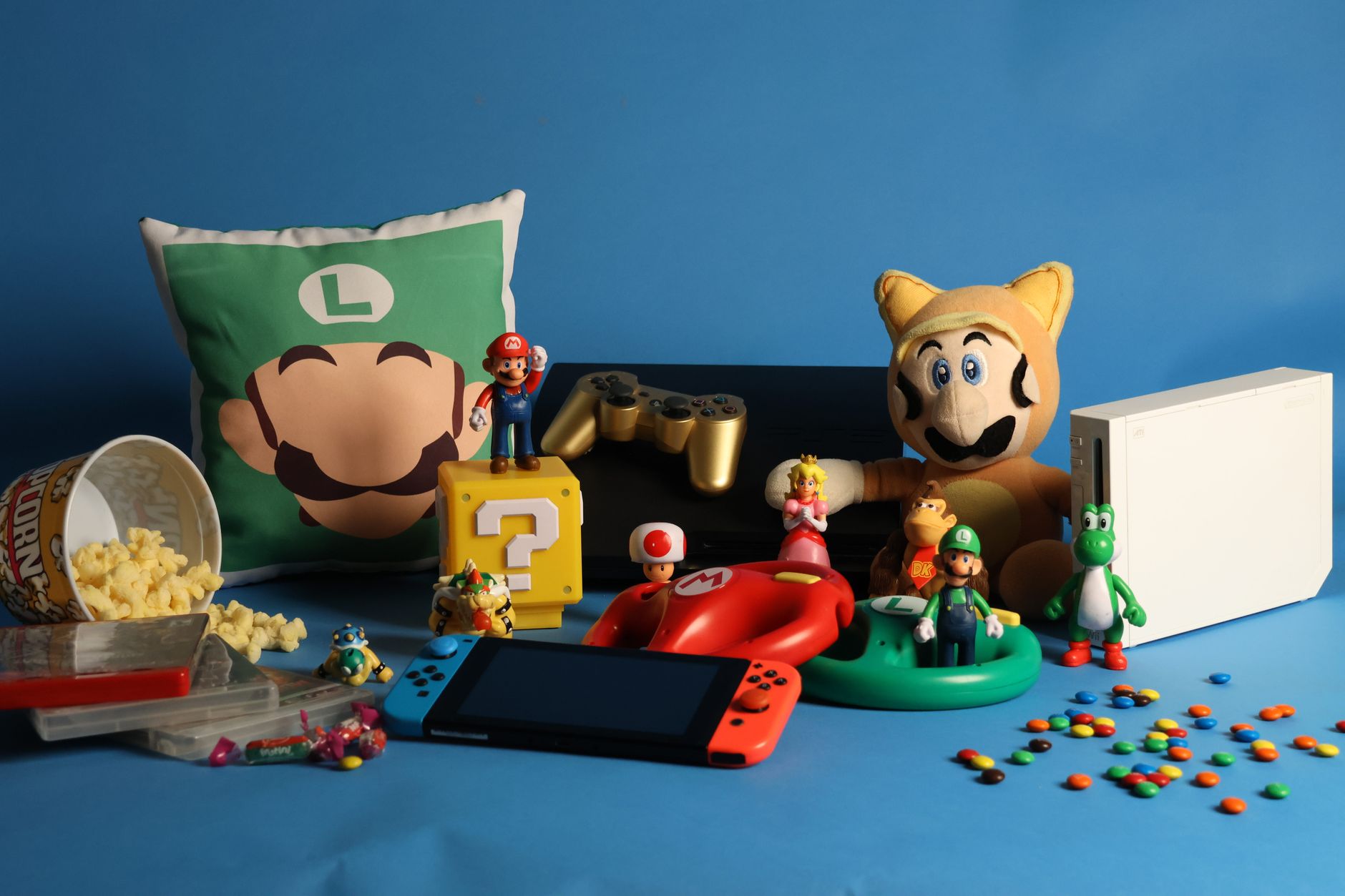
Mario Kart World is reportedly the most ambitious entry in the franchise’s history, built from the ground up for Nintendo Switch 2 with an open-world structure, a dramatically expanded roster, and online modes that go well beyond anything the series has attempted before. Early previews describe a game that doesn’t just iterate on the formula but genuinely reinvents how the series handles progression and exploration. That level of ambition is exactly what makes it so commercially dangerous for any rival in the space.
When Mario Kart releases, it doesn’t just sell copies – it defines the category. Casual players, families, competitive online racers, and nostalgia buyers all converge on a single title. Publishers looking at racing game greenlight decisions now have to weigh their project against a franchise that will almost certainly move tens of millions of units and sit in active rotation for years. The installed base of Switch 2 alone makes that math uncomfortable for any competing racer, let alone an IP revival that would need to rebuild recognition from zero.
Blur’s core audience – players who remember it fondly from the 360 era – has aged. They’re willing to spend money on nostalgia, but nostalgia alone doesn’t drive the kind of launch numbers that justify a full AAA revival. A new Blur would need to convince a younger audience that the game is worth their time while Mario Kart World is sitting right there, polished to a mirror finish and backed by one of the most recognized video game brands on earth. That pitch is genuinely difficult to make.

Why the Window Keeps Closing
The ideal moment for a Blur revival would have been the mid-cycle window of the previous console generation, when Mario Kart 8 Deluxe was aging and no serious competitor had stepped in. A few indie titles tried – Mantis Burn Racing, Touring Karts, Circuit Superstars – but none carried enough budget or brand recognition to generate the cultural conversation that would have proven the market existed. The window opened, nobody walked through it, and now Mario Kart World is about to nail it shut again for the next several years.
Whoever currently holds the rights to Blur – and the chain of ownership following Activision’s absorption into Microsoft makes that question genuinely murky – has no obvious incentive to rush. Licensing an IP costs money to maintain and develop. Without a publisher willing to absorb significant risk during a period when Mario Kart is actively dominating mindshare, the safest move is inaction. The IP sits. The fans wait. The cycle repeats.
There’s also a harder truth underneath the nostalgia: Blur’s design was ahead of its time in some ways, but it also had rough edges that modern players would notice immediately. The career structure was thin, the AI was inconsistent, and the game leaned heavily on online multiplayer at a moment when matchmaking infrastructure wasn’t reliable enough to support that bet. A revival wouldn’t just need to recreate Blur – it would need to fix it, update it, and differentiate it from Mario Kart World on a production timeline and budget that no mid-tier publisher is likely to approve right now.
What Fans Are Actually Hoping For
The Blur revival conversation was never really about getting the exact game back. It was about someone proving that the grown-up arcade racer genre – licensed cars, no cutesy mascots, serious online infrastructure, real vehicle physics mixed with power-up chaos – deserved a legitimate budget and a proper launch. Mario Kart World being this good, this ambitious, and this commercially inescapable doesn’t just crowd out that possibility for 2025. It makes publishers look at the genre and see a mountain they’d have to climb rather than a gap they could fill. The fans still running Blur lobbies through fan-hosted servers already know what that means for the next few years.