




A Sequel Announcement That Reignited Old Saves
When Sony and Sucker Punch Productions revealed Ghost of Yotei at the September 2024 PlayStation State of Play, the reaction went beyond the usual excitement surrounding a new release. Within days, Ghost of Tsushima climbed back up the PlayStation Store charts and saw a sharp spike in Steam activity – four years after its original release. The sequel’s announcement didn’t just generate hype for what’s coming; it sent a wave of players back to what already exists.
This pattern – a sequel announcement pulling players back to its predecessor – isn’t new to gaming culture, but the scale of the Tsushima revival says something specific about how that game landed in 2020 and what it left behind emotionally. Players aren’t revisiting it out of obligation. They’re going back because the announcement reminded them of something they genuinely missed.

What Yotei Is, and Why It Matters
Ghost of Yotei is set in Hokkaido circa 1603, roughly 340 years after Jin Sakai’s story on Tsushima. The protagonist is a new character – Atsu, a woman with a wolf motif on her mask – and the setting shifts from the occupied island of Tsushima to the volcanic landscapes surrounding Mount Yotei. It is not a direct continuation of Jin’s story, which makes the predecessor revival more interesting: players are returning to a game whose narrative isn’t being extended, just spiritually continued.
That distinction matters because it changes what the revisit is about. Players aren’t trying to refresh plot details before a direct sequel. They’re returning to the feel of the thing – the fox dens, the wind mechanic guiding you through tall grass, the way duels slowed everything down to a single breath. Sucker Punch built a world with a specific sensory texture, and Yotei’s trailer carried enough of that same texture to make players want to inhabit it again before the new one arrives.
The Numbers Behind the Return
Ghost of Tsushima was already a commercial success long before the sequel announcement. The Director’s Cut launched in 2021 with expanded content, and the PC port arrived in May 2024 to strong sales. But the Yotei announcement hit during a period when the game had already been available on Steam for only a few months, meaning a significant portion of that platform’s audience hadn’t yet exhausted their interest in the original. The timing created a compound effect – new PC players already in the world, returning console players jumping back in.
On Steam specifically, the game’s concurrent player counts saw a measurable uptick in the days following the State of Play showcase. This kind of revival is trackable through SteamDB, which logs historical player data publicly – and the Tsushima spike post-announcement followed a pattern consistent with other high-profile sequel reveals. The practical reason is straightforward: players who finished Tsushima years ago, or who bought it and never completed it, had a sudden deadline-shaped motivation to return.
The Legends multiplayer mode also saw renewed attention. Sucker Punch’s decision to include a standalone cooperative multiplayer component – free, online, set in a mythologized version of the same world – gave returning players somewhere to go beyond the main campaign. Players who had completed Jin’s story could drop into Legends without replaying content they already knew, which lowered the friction of coming back. A returning player didn’t have to choose between a complete replay or nothing.
Sony’s own promotional machinery accelerated the effect. PlayStation ran discounts on Ghost of Tsushima across multiple storefronts following the Yotei reveal, reducing the barrier for anyone on the fence about buying in before the sequel arrives. That combination of organic curiosity and deliberate commercial positioning made the revival feel both spontaneous and engineered – because it was both.
What Tsushima Did That Made a Return Worth It
Part of what makes Ghost of Tsushima so reliably revisitable is that Sucker Punch built the open world around discovery rather than obligation. The game has no minimap cluttered with icons demanding attention. The Guiding Wind mechanic – holding a button to summon a breeze that points you toward objectives – keeps eyes on the environment instead of a UI overlay. Returning to that after years of map-dense open world games feels like a specific kind of relief.
The kurosawa mode, which renders the entire game in high-contrast black and white with film grain and Japanese audio, also contributes to the game’s longevity as an aesthetic object. Some players are going back specifically to replay sections in that mode after spending their first run in color. The game rewards multiple approaches and visual contexts in ways that many of its contemporaries don’t, which makes a second or third visit feel genuinely different rather than redundant.
The Yotei Effect on Expectations
Going back to Tsushima right now is also, for many players, a form of calibration. They’re measuring what they love about the original against what they can see of Yotei’s identity in the trailer – asking whether the new protagonist, the new setting, and the new time period will carry the same emotional weight. Atsu’s design and the brief combat glimpses in the announcement footage suggest Sucker Punch is maintaining the samurai-adjacent aesthetic while expanding it toward something more northern and isolated.
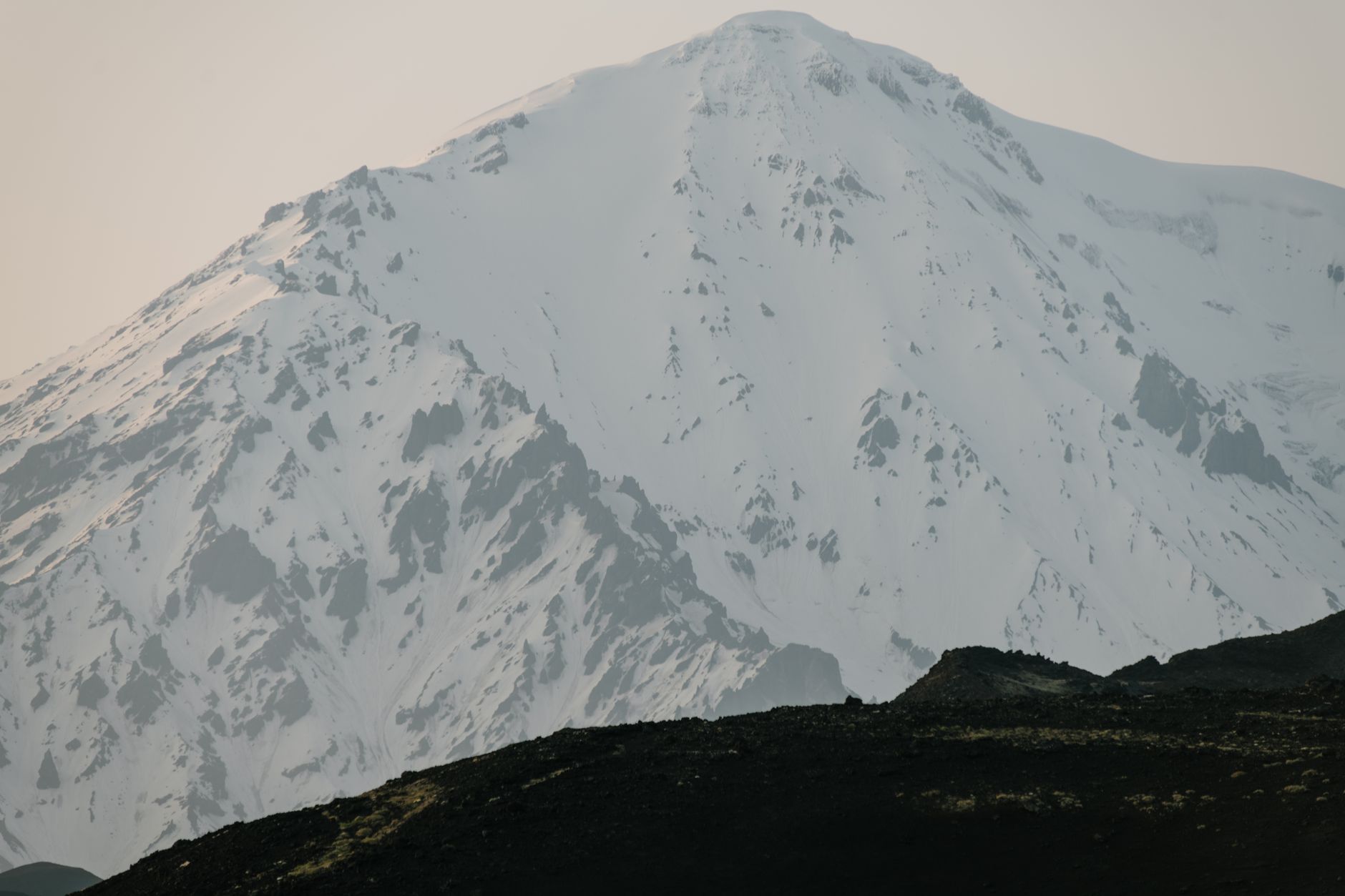
Mount Yotei itself – a real stratovolcano in Hokkaido – signals a different environmental palette than Tsushima’s dense forests and coastal cliffs. The landscape is more open, more volcanic, more austere. Players returning to Tsushima now are partly mapping that contrast in their minds before they’ve even played the new game. The original becomes a reference point, not just a nostalgic experience.
This is a dynamic that rewards Sony’s long-term investment in the IP. Ghost of Tsushima sold well but wasn’t treated at launch as a guaranteed franchise – it was a new IP from a studio previously known for the inFamous series, releasing in the final weeks of the PS4 generation. The sequel announcement confirms that the gamble paid off in a way that goes beyond sales figures. This pattern – sequel or remake success driving renewed interest in a prior entry – has become one of the more reliable phenomena in modern gaming. Yotei’s 2025 release window means Tsushima still has months of renewed attention ahead of it, with players both finishing the original for the first time and replaying it looking for details that might connect to what comes next – even knowing the stories don’t directly overlap.