




The Controller That Clips On and Takes Over
Razer’s Kishi Ultra is not just another mobile gaming accessory. It’s a clip-on controller that wraps around your phone and turns it into something that looks, feels, and responds like a dedicated gaming handheld – complete with haptic feedback, a USB-C pass-through connection, and full trigger depth that most mobile controllers have never come close to matching. The design borrows heavily from console controllers, and that’s entirely the point.
For years, mobile gaming controllers were afterthoughts – cheap plastic clamps with mushy buttons and a Bluetooth delay that made fast-reaction games nearly unplayable. The Kishi Ultra is a direct challenge to that era. And for a growing number of players, it’s also quietly making the case that a standalone Bluetooth gamepad sitting next to your phone is no longer worth the desk space.
What Makes It Different From the Last Generation
The original Kishi and its second-generation follow-up were good products, but they were compact to a fault. Trigger travel was short, the d-pad was serviceable at best, and there was no haptic motor worth talking about. The Kishi Ultra changes all three of those things. The triggers now have a depth and resistance that sit closer to an Xbox controller than to anything previously strapped to a phone. The haptic feedback uses Razer’s HyperSense technology, which reads audio cues and converts them into vibration patterns in real time – so even games that weren’t designed with controller haptics in mind produce something tactile during play.
The build quality also crossed into a different tier. The Kishi Ultra uses the same general button layout found on PlayStation and Xbox controllers, with a proper analog thumbstick feel and enough weight in the grips to register in your hands rather than feel hollow. Razer designed it to support phones up to a specific size range, including the larger flagship Android models, and the mechanical connection via USB-C means zero latency between input and on-screen response. There is no Bluetooth pairing process, no connection drops, and no battery to charge separately – the controller draws power from the phone itself.
That direct USB-C integration is the detail that separates the Kishi Ultra from a Bluetooth controller placed nearby. Wireless input, even at its best, introduces some latency. In casual games that margin doesn’t matter. In fighting games, shooters, or anything with tight timing windows, it absolutely does.
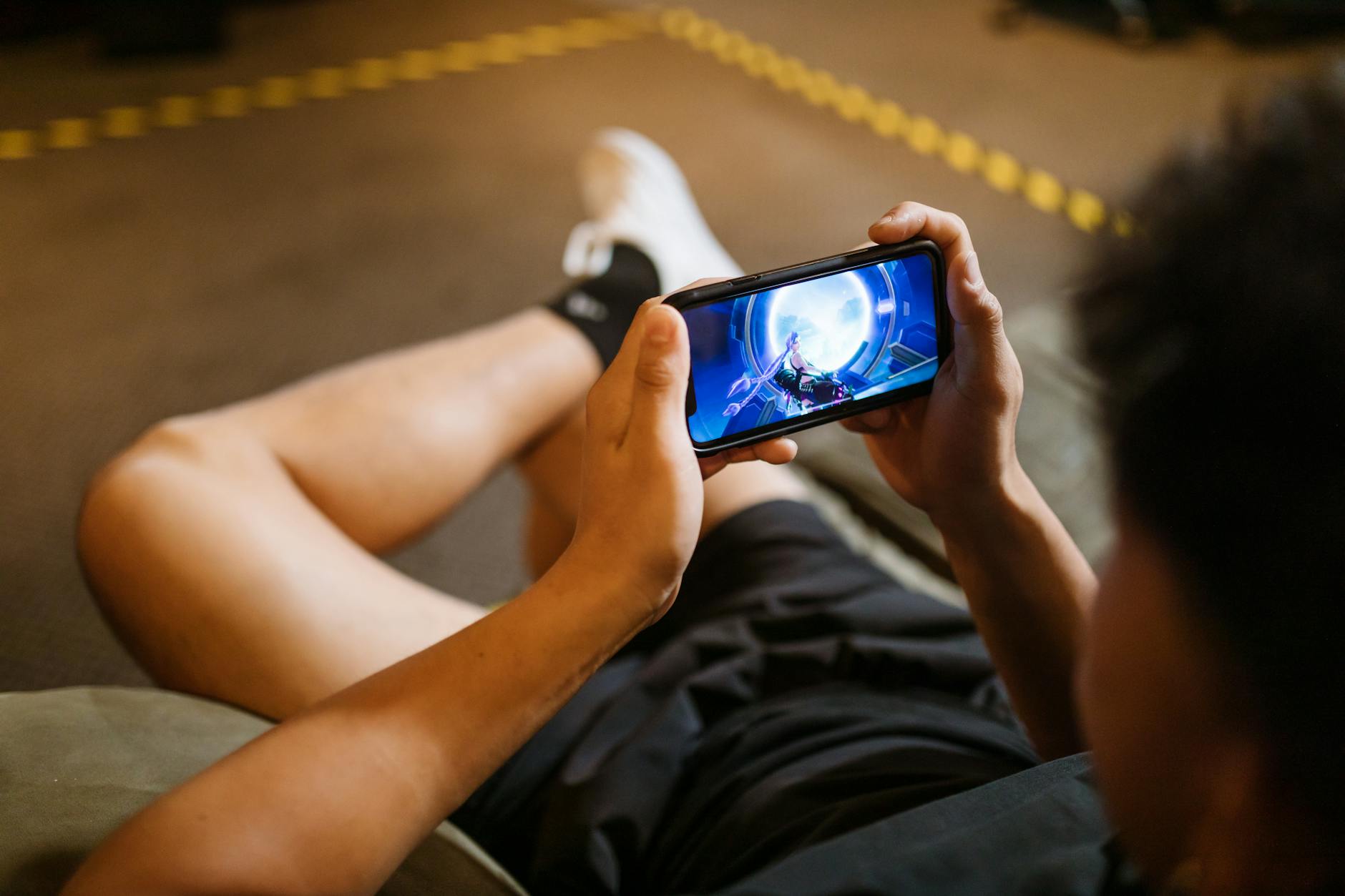
Who It’s Actually Competing With
The framing of “mobile gaming accessory” understates what the Kishi Ultra is displacing. A large portion of mobile gamers who want physical controls have historically reached for Bluetooth options – standalone gamepads that pair with a phone and sit in a holder above the controller. Products like the GameSir T4 series, the SteelSeries Nimbus, and various cheaper alternatives have built a steady market around that workflow. The Kishi Ultra makes that whole category feel cumbersome.
Beyond third-party Bluetooth controllers, there’s a broader argument forming around dedicated gaming handhelds. The Xbox mobile gaming push, cloud gaming through Game Pass, and the growing library of Xbox-optimized mobile titles have made the Kishi Ultra a legitimate companion to a service rather than just a way to play casual games more comfortably. When a player can stream a full console game through the cloud to their phone with no measurable input lag and a controller that feels nearly identical to what they’d use on a couch – the barrier between “mobile gaming” and “console gaming away from home” collapses significantly.
The Pressure It Puts on the Market
Razer is not the only company making clip-on controllers with serious ambitions. Backbone has carved out a loyal audience with its slimmer profile design and strong iOS integration. GameSir has pushed into the space with competitive pricing. But the Kishi Ultra is positioned at the premium end, and its spec sheet is hard to argue with at that price level. Razer is betting that players who care enough to spend real money on mobile input will choose depth – literal trigger depth, haptic complexity, build quality – over portability savings.
The timing also lines up with a mobile hardware cycle where phones themselves have become powerful enough to stop being the bottleneck. Modern flagship Android devices can handle demanding games without thermal throttling killing the experience. The controller was historically the weak link. Razer’s argument with the Kishi Ultra is that the weak link is now fixed, which pulls the entire mobile gaming proposition up a level.
There’s an interesting tension in where this leaves console-style gaming. Microsoft’s interest in dedicated Xbox handhelds signals that the hardware industry sees a real gap between phone-based gaming and purpose-built portables. The Kishi Ultra doesn’t fully close that gap – screen size, battery autonomy, and local processing power still separate a phone-plus-controller from a device like the Steam Deck. But it closes it enough that the question becomes less about “can my phone do this” and more about “do I need a second device at all.”
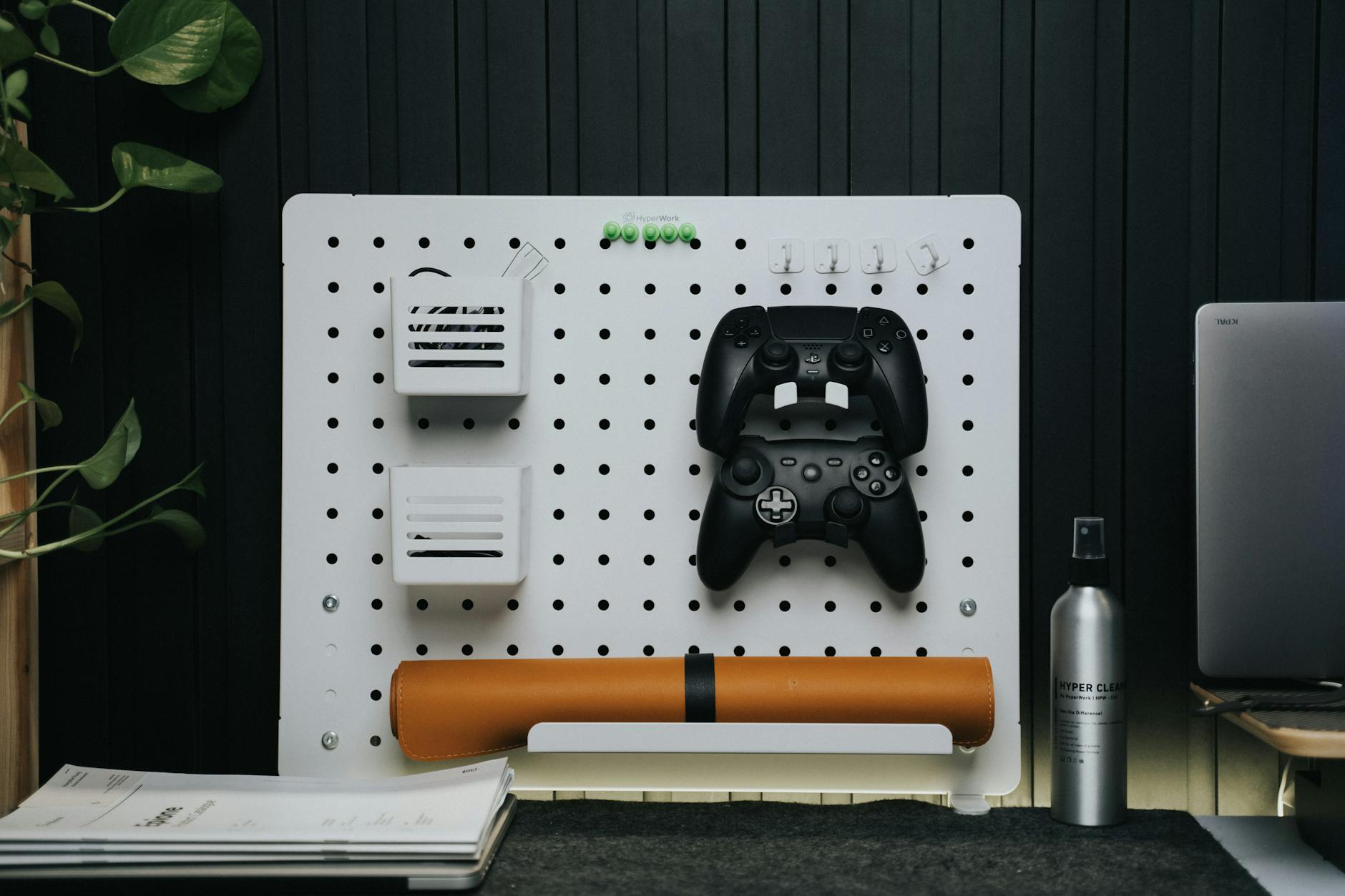
The players most likely to skip a standalone handheld purchase are casual-to-mid-core gamers who already carry a flagship phone and primarily play through cloud streaming. For that group, the Kishi Ultra offers nearly everything a dedicated device would – and no extra device to charge, carry, or update. Whether that’s enough to meaningfully dent handheld hardware sales is an open question, but it’s one the industry is clearly starting to take seriously, because the Kishi Ultra is the first clip-on controller compelling enough to actually force it.
Frequently Asked Questions
Does the Razer Kishi Ultra work with iPhones?
The Kishi Ultra connects via USB-C and is designed primarily for Android devices. A separate Lightning or USB-C version is required for iPhone compatibility depending on the model.
Is the Razer Kishi Ultra better than a Bluetooth controller for mobile gaming?
For input latency, yes – the USB-C connection eliminates wireless delay entirely, which matters most in fast-reaction games like shooters and fighting titles.