




The Kart Racing Throne Is Shifting
Mario Kart World, launching alongside the Nintendo Switch 2, is doing something that no marketing campaign could manufacture: it’s making every other kart racer feel like a placeholder. The footage, the open-world track design, the sheer scale of what Nintendo is promising – it has reset the conversation around the entire genre almost overnight. And nowhere is that reset felt more sharply than with Crash Team Racing Nitro-Fueled, the Activision remaster that spent years holding down the title of the best kart racer you could play on modern hardware.
This isn’t about Crash being bad. Nitro-Fueled was genuinely great – a loving, technically sharp rebuild of the 1999 original that won over both nostalgic PlayStation fans and newcomers. But “great by the standards of its moment” is a fragile position to hold when Nintendo decides to show what the genre can actually look like with a full hardware generation and an open budget behind it. The hype around Mario Kart World isn’t just excitement – it’s quietly repositioning CTR as yesterday’s answer to a question that now has a much bigger reply.

What Mario Kart World Is Actually Offering
The most talked-about element of Mario Kart World isn’t the roster or the items – it’s the structure. Nintendo is moving away from the traditional cup-and-circuit format and building something that functions more like an interconnected world, where tracks flow into one another and exploration is part of the experience. That’s a design philosophy that no previous kart racer has seriously attempted at this scale. Crash Team Racing, for all its polish, still operates on the classic discrete-track model that dates back to the genre’s origins.
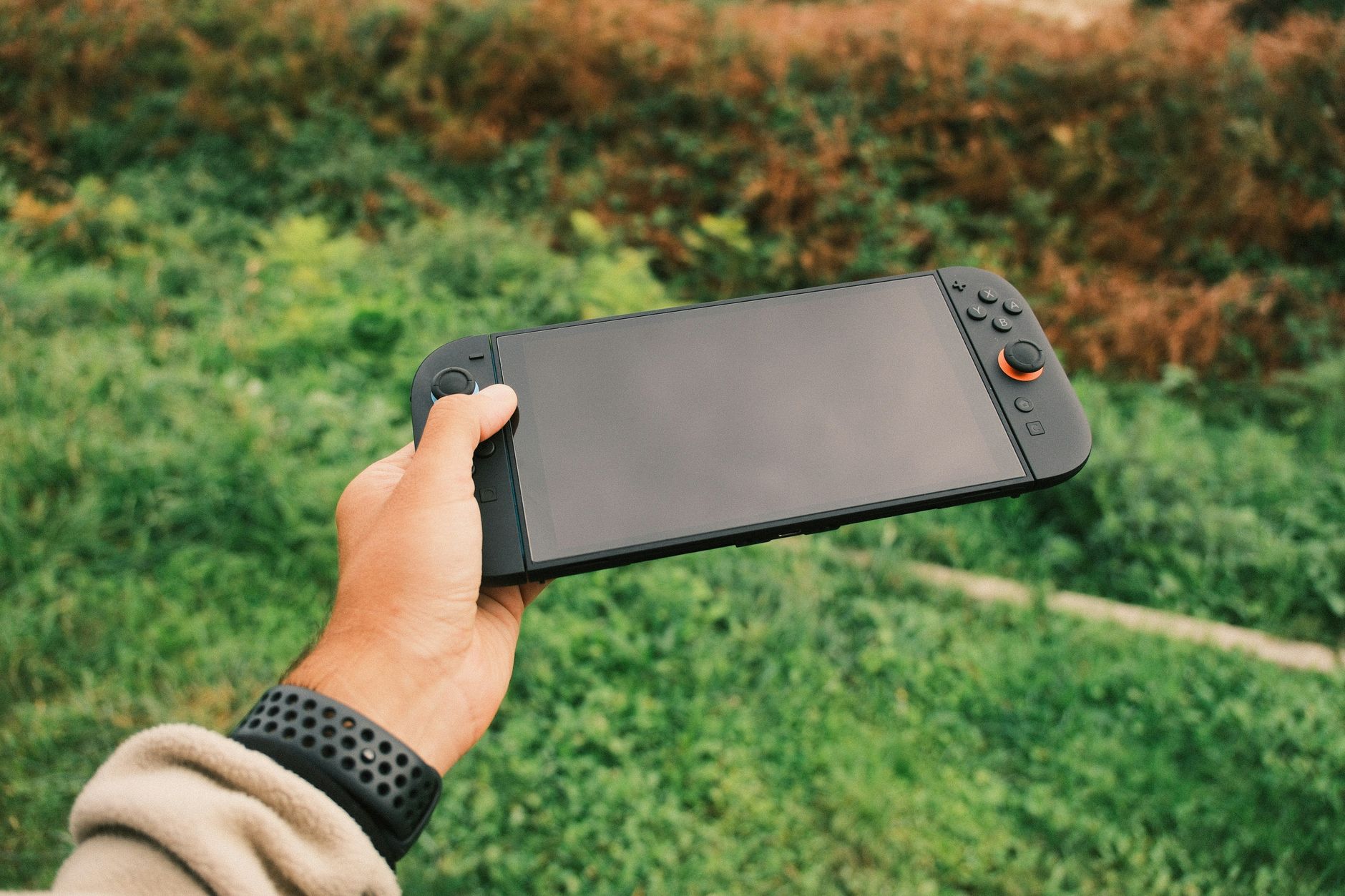
The visual leap is also hard to ignore. Switch 2 hardware gives Nintendo room to build environments with a density and detail that simply wasn’t possible on the original Switch, and the early footage shows they’re using every bit of it. CTR Nitro-Fueled was built to run well on PS4-era hardware, and it shows – it looks clean and colorful, but it doesn’t look ambitious. When both games sit in the same mental frame, the age gap becomes difficult to overlook.
Nintendo is also leaning into the social and multiplayer angle harder than ever, with large-scale race modes that reportedly support more players simultaneously than any previous entry. Crash Team Racing’s online component was functional but never quite the draw it needed to be – servers had issues post-launch, and the player base thinned faster than fans hoped. Mario Kart has always had an almost unfair structural advantage in this area, built on decades of local multiplayer culture that Crash never managed to replicate at the same level.
There’s also the matter of momentum. Mario Kart 8 Deluxe sold over 60 million copies on Switch – a number that gave Nintendo a floor of engaged fans who will naturally migrate toward whatever comes next. Crash Team Racing launched to strong reviews but always competed for space in a market where Mario Kart already owned the living room. World doesn’t need to defeat CTR directly. It just needs to exist loudly enough that players stop reaching for it.
The Activision Problem Nobody Talks About
Crash Team Racing has a structural problem that goes beyond any single competitor: Activision has shown almost no interest in growing the franchise since Nitro-Fueled shipped. The game received a run of free Grand Prix updates in 2019 and 2020 that added characters, tracks, and cosmetics, then it went quiet. No sequel has been announced. No remaster of the sequel, Crash Nitro Kart, has materialized. The IP is sitting in a holding pattern while Microsoft – which acquired Activision Blizzard in 2023 – figures out what to do with its enormous catalog of properties.
That silence makes CTR feel frozen in time. While Mario Kart World generates weekly discussion about new footage, track reveals, and design details, Crash Team Racing simply isn’t generating any noise. In an attention economy, absence is a slow form of irrelevance. Players who want a kart racer now have a very obvious next destination, and it isn’t a five-year-old remaster with no announced follow-up.
Nostalgia Only Carries So Far
A portion of CTR’s audience has always been held together by PlayStation-era nostalgia – the memory of playing the original on PS1, the identity of being a “Crash fan” as distinct from a Nintendo household. That identity still exists, but nostalgia has a shelf life, and it erodes faster when a new, shinier option is actively competing for the same slot in someone’s gaming schedule. The players who kept returning to Nitro-Fueled weren’t doing it because it was the best option available – they were doing it because it was the best available option in their corner of the genre.
Mario Kart World doesn’t need those players to consciously abandon Crash. It just needs to become the default answer when someone asks “what kart racer should I play?” And given the Switch 2’s install base trajectory, combined with Nintendo’s history of turning hardware launches into cultural events, World has a very clear path to doing exactly that. The question worth sitting with is whether Microsoft, as Activision’s new parent, sees enough value in Crash to actually respond – or whether CTR Nitro-Fueled becomes the high-water mark for a franchise that never got its proper second act.
Nintendo isn’t competing with Crash Team Racing. It stopped needing to do that a long time ago. The more uncomfortable truth for CTR fans is that Mario Kart World might not even be aware there’s a competition happening.