


The Silence Is Getting Loud
Namco has said nothing about Splatterhouse in over a decade, and that silence is doing something strange – it’s making the 2010 reboot louder than ever.
A Franchise Left in the Dark
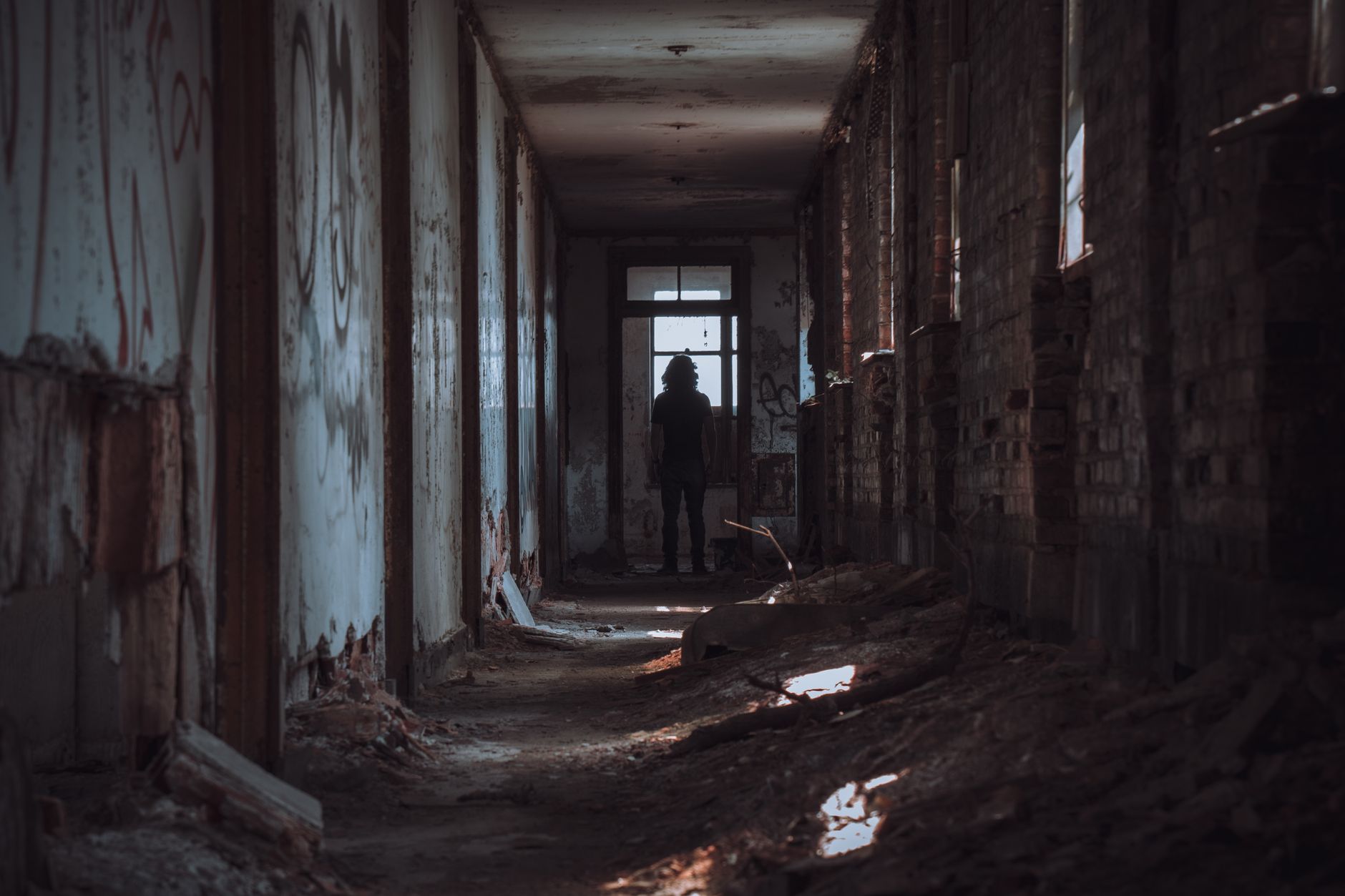
Splatterhouse has always lived on the fringe. The original arcade game from 1988 was controversial enough to get pulled from shelves in some regions, which only cemented its cult status. The 2010 reboot published by Namco Bandai was designed to bring that legacy back in a big way – a brutal, gore-soaked brawler with a hard rock soundtrack, a lovesick protagonist in a cursed mask, and more dismemberment than most publishers would sanction. It landed with mixed reviews, sold modestly, and then Namco moved on without a word.
That was fifteen years ago. Since then, there has been no sequel announcement, no remaster tease, no collection, not even a cameo appearance in a crossover title. For most properties, that kind of quiet signals a clean burial. For Splatterhouse, it’s had the opposite effect. The game’s community has grown more vocal, not less, and threads asking “where is Splatterhouse?” have become a fixture on horror gaming forums, Reddit, and social media comment sections whenever Namco Bandai shows up with something new.
The 2010 game is imperfect by most standards – its combat system had depth issues, its framerate could chug, and critics at the time felt its story never quite delivered on its premise. But it nailed an atmosphere that almost nothing else touched. Rick Taylor wearing the Terror Mask and fighting his way through a grotesque haunted mansion felt like something genuinely committed to its own excess. That commitment, however flawed the execution, is exactly what keeps people coming back to it.
There’s also the nostalgia factor working in full force here. Players who picked up Splatterhouse as teenagers in 2010 are now in their late twenties and thirties – the demographic most likely to pressure publishers into revisiting abandoned IP. This is the exact group that successfully campaigned for remasters, spiritual successors, and revivals across the horror genre, and they haven’t forgotten what Rick Taylor meant to them.
Why the 2010 Reboot Still Has Pull
The 2010 reboot included full emulations of all three original arcade and console games – Splatterhouse, Splatterhouse 2, and Splatterhouse 3 – as unlockable content. That was already a generous package, but it also means the disc functions as a small historical archive of the entire franchise in one place. Physical copies are increasingly sought after precisely because there is no digital alternative. The game was never re-released on PC, never appeared on a digital storefront, and was quietly delisted as a digital purchase years ago. If you want to play it today, you’re hunting for a disc.
That scarcity is driving real activity. Secondhand prices for the Xbox 360 and PS3 versions have been climbing steadily, with complete copies in decent condition fetching noticeably more than they did just a few years ago. Preservation communities have taken notice, and the game regularly comes up in discussions about titles at risk of being lost entirely – a concern that carries real weight given how many games from that console generation have simply vanished from legitimate access.
The horror gaming landscape has also shifted in ways that make Splatterhouse look more interesting in hindsight. The mid-2000s to early 2010s produced a wave of Western action-horror games that leaned into gore and atmosphere without apologizing for either. Most of those franchises either went dormant or softened their approach over time. Splatterhouse sits in that window looking increasingly rare – a game that was unapologetically nasty, stylized, and rooted in classic horror iconography, all at once.
Fan projects have filled part of the gap. Concept art circulates online showing what a modern Splatterhouse could look like. Modders have kept the game visible in streaming communities. A dedicated fanbase runs social accounts that consistently pull engagement whenever the broader gaming press is discussing horror revivals, remasters, or Namco’s release calendar. The community has essentially become its own PR department for a game its publisher has quietly abandoned. This pattern echoes what happened with Capcom’s Dino Crisis silence, where years of publisher inaction pushed fans to revisit every related release they could still access.
What Namco Bandai actually thinks about Splatterhouse is genuinely unclear. The company has revived dormant properties before and shown willingness to revisit older catalogue when the conditions are right. But Splatterhouse carries licensing considerations tied to its music – the reboot featured a substantial licensed heavy metal soundtrack – that could complicate any straightforward remaster. Sorting out music rights across a catalogue that size is expensive and time-consuming, and it may be a practical obstacle as much as a lack of commercial interest.
What Fans Are Actually Asking For
The ask from the community isn’t particularly complicated. Most fans would accept a remaster with the original soundtrack intact, or even a re-release with licensed tracks swapped for original compositions if rights are the sticking point – a compromise that other publishers have made to get beloved games back into players’ hands. A smaller but passionate group is pushing for a full sequel, pointing to how much the horror genre has evolved and how much more a modern Splatterhouse could do with current hardware and more refined combat design.
Whether Namco Bandai is listening is the one question nobody can answer. The franchise sits on a shelf while its community grows more organized and its physical copies grow more expensive. At some point, the demand and the silence become their own kind of story – one that Namco will eventually have to respond to, or very deliberately choose not to.