




When a Remake Sends Players Back to the Archives
Bloober Team’s remake of Silent Hill 2 dropped in October 2024 after years of skepticism, fan anxiety, and Konami’s famously fractured relationship with its own horror legacy. The result was, by most accounts, a genuine surprise – polished, atmospheric, and faithful enough to the source material that it earned serious critical respect. But something unexpected followed: instead of simply celebrating the new version, a growing slice of the fanbase started loading up Silent Hill: Homecoming, the 2008 entry that has spent most of its life as the franchise’s punching bag.
That pattern – a high-profile release sending players toward older, less celebrated entries – says something specific about how horror gaming communities process nostalgia and contrast.
Homecoming was never warmly received. Developed by Double Helix Games rather than Team Silent, it leaned hard into action combat at the cost of dread, drew unfavorable comparisons to Resident Evil, and felt like a franchise running on institutional muscle memory rather than creative instinct. And yet, in the wake of Silent Hill 2’s remake, playtime for Homecoming has climbed noticeably on PC – an oddity worth unpacking.

Why Homecoming Specifically
The logic here is not entirely irrational. When a remake succeeds in reintroducing players to a franchise’s atmosphere, tone, and lore, the natural next move for invested fans is to fill in the gaps. Silent Hill 2 (2024) functions almost as a gateway drug. Players who bounced off the original mid-2000s survival horror format – or who never played anything beyond the remake – are now hungry for more Silent Hill content and are working through whatever is available. Homecoming, despite its reputation, is on Steam, runs on modern hardware without major compatibility headaches, and costs almost nothing at regular sale prices.
There is also a contrarian impulse at work in dedicated horror communities. When a game spends years being dismissed, renewed franchise attention gives people a reason to test whether the criticism still holds up. Homecoming’s action-heavy combat, which alienated Silent Hill purists in 2008, lands differently for players who came in through the remake’s version of James Sunderland navigating Pyramid Head’s attacks. The frame of reference shifts. A game that felt like a betrayal to 2008 fans feels like a functional, if messy, horror action title to someone whose Silent Hill benchmark is Bloober Team’s work rather than Team Silent’s.
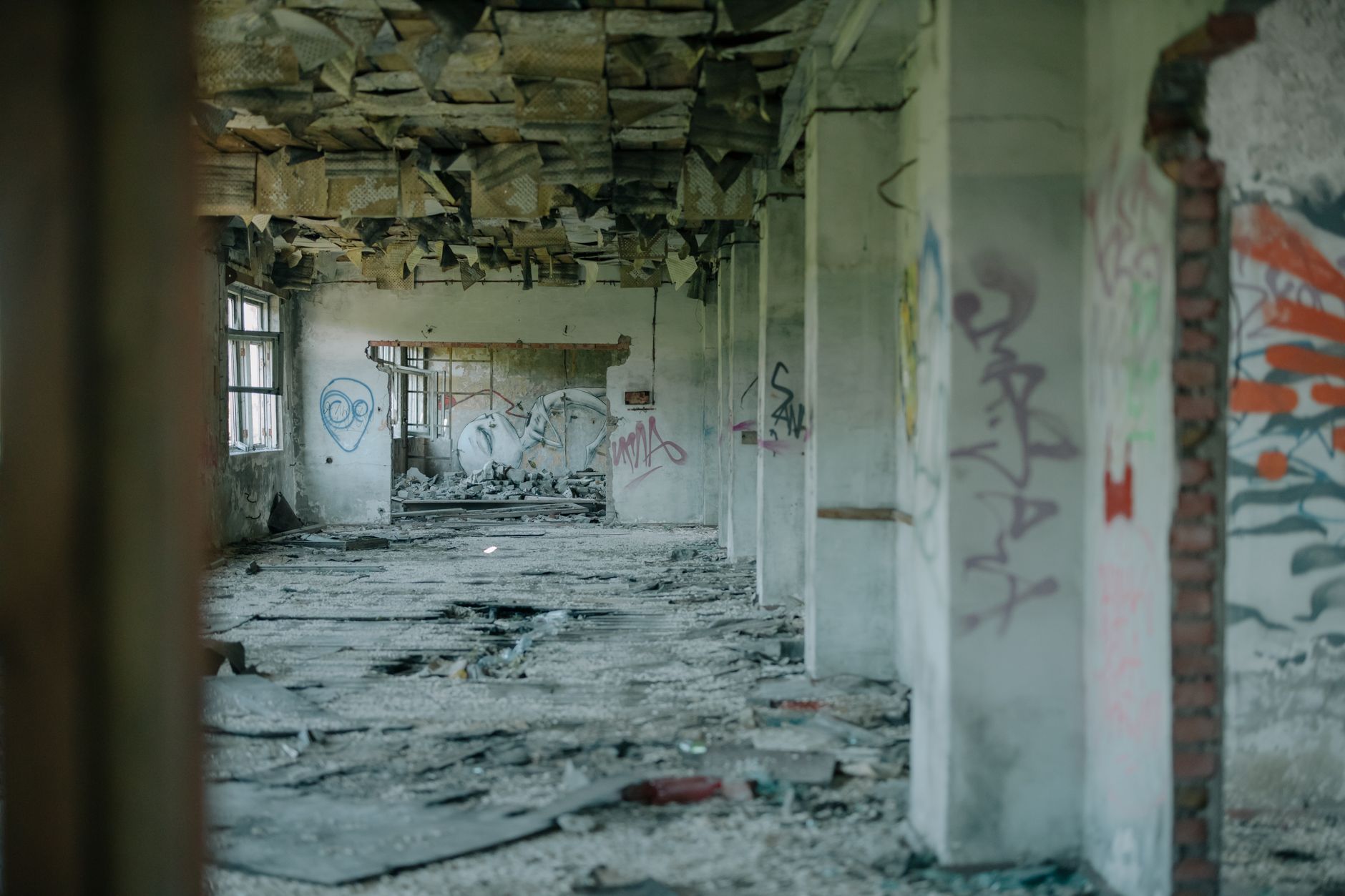
Homecoming also carries one thing that no amount of critical consensus can erase: it is set in Shepherd’s Glen and directly connects to Silent Hill’s lore in ways that feel meaningful once you care about the world. The story of Alex Shepherd returning home, dealing with family trauma, and confronting a town built on a dark covenant with the Order hits notes that feel genuinely Silent Hill-adjacent when you’re in the right headspace. It is not the best entry in the series. It might not even be a good one by strict standards. But it is unmistakably part of the same universe, and right now, that is enough.
What This Tells Us About Franchise Revivals
This phenomenon is not unique to Silent Hill. Square Enix saw a version of it with Dragon Quest III HD-2D, where renewed franchise interest pushed players back toward Dragon Quest XI rather than forward. The mechanism is the same: a quality release rebuilds franchise trust, and that trust becomes a license to explore corners of the catalog that would otherwise sit untouched. The difference with Homecoming is that the game players are returning to is genuinely divisive, which makes the trend more interesting to watch.
Konami has done almost nothing to capitalize on any of this. There is no Homecoming remaster in the pipeline, no announcement of a collection, no acknowledgment from the company that people are actively revisiting a game from their back catalog. The company’s current Silent Hill strategy appears to be: greenlight the remake, let Bloober handle the heavy lifting, and wait to see what sticks. That is a workable approach for a single release, but it leaves money and goodwill on the table when fans are clearly willing to engage with the full franchise history – even the messy parts.
The remake also created an uncomfortable implicit comparison. Bloober Team’s version of Silent Hill 2 demonstrates what the series can look like with modern production values, genuine care, and a developer willing to defend creative decisions in public. Homecoming, by contrast, was produced under conditions that prioritized market trends over franchise identity. Playing both back-to-back in 2024 makes the gap in intention obvious, which is part of what makes the renewed interest in Homecoming so strange. Players are not returning to it because it is underrated. Many are returning to it specifically to understand what went wrong – and why the series needed rescuing in the first place.
Konami now holds a franchise that is generating genuine enthusiasm for the first time in over a decade, with a player base willing to sit through Homecoming just to stay inside that world a little longer – and the company has yet to give them anywhere better to go.