




A Sequel That Won’t Show Its Face
EA announced Skate 4 – officially titled just “Skate” – back in June 2020 with a 30-second teaser that was essentially a promise and nothing more. Four years later, the game exists in a strange limbo: confirmed, occasionally discussed, sporadically shown in closed beta footage, but never dated, never fully revealed, and never close enough to feel real. For a fanbase that has been waiting since Skate 3 launched in 2010, that silence has become its own kind of message.
Full Circle, the EA studio rebuilding the franchise, has held invite-only playtests and shared behind-the-scenes development vlogs, which in theory should keep the community engaged. In practice, those updates have done the opposite – each one serves as a reminder that the game remains out of reach, feeding frustration more than excitement.
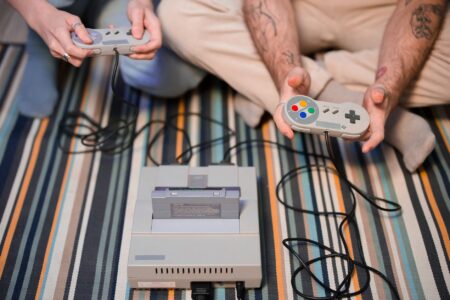
So fans went back to Skate 3.
Why Skate 3 Still Holds Up
Skate 3 was not universally praised on release. Critics gave it solid but unspectacular scores, and at the time it felt like a competent third entry rather than a defining one. What changed is context. Every year that passes without a new skateboarding game makes Skate 3’s physics engine, its open city of Port Carverton, and its career structure feel less like a last-gen relic and more like a blueprint that nobody has bothered to improve on.
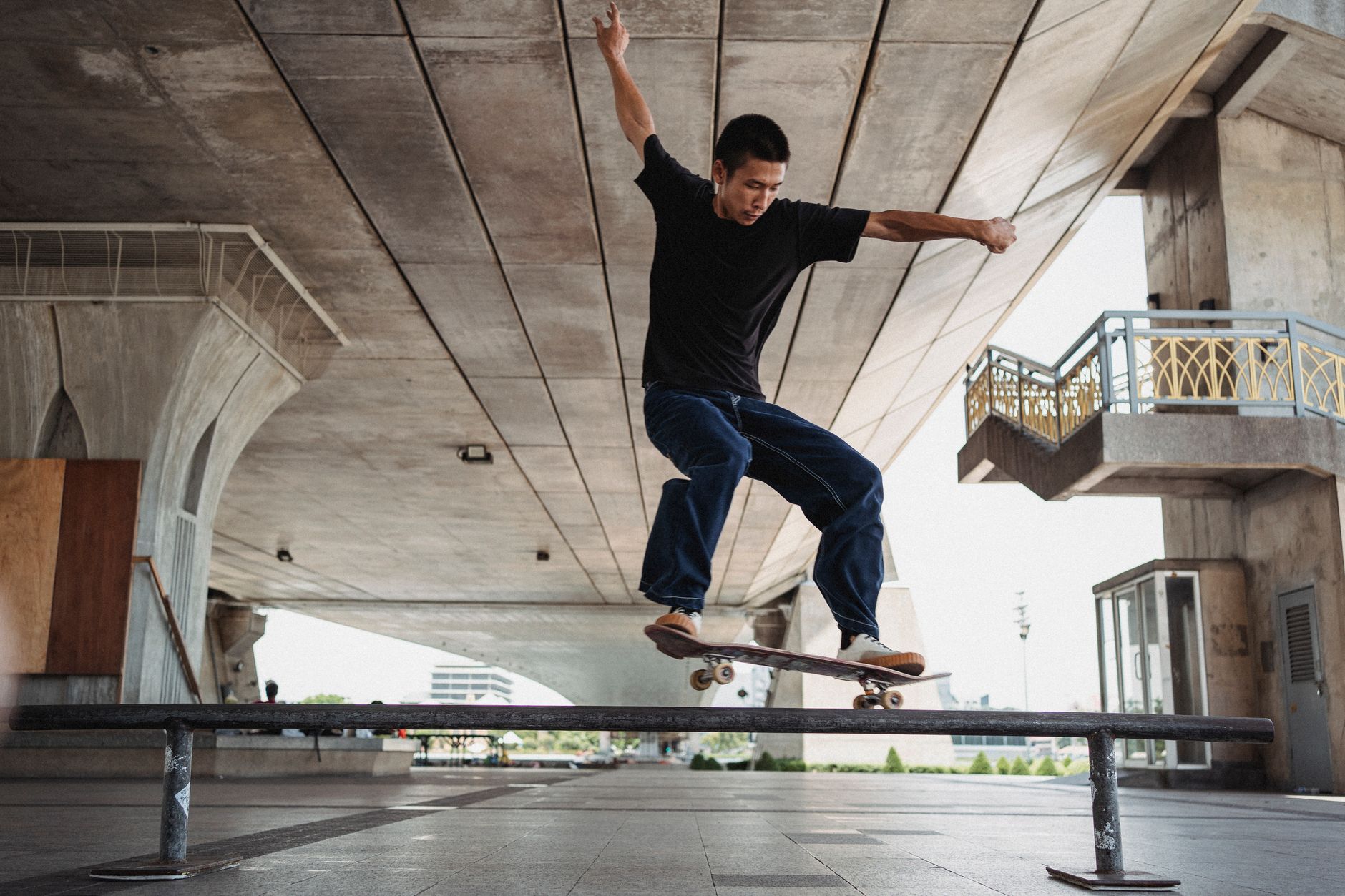
The game’s popularity on YouTube and Twitch also never really died. Content creators kept returning to it – partly for the glitch humor, partly because the trick system still rewards creativity in ways that few sports games do. When players execute a manual chain across a parking structure or find a new line through the University campus, the game responds with a satisfaction that feels earned rather than scripted. That feedback loop is genuinely rare in sports gaming, and it aged better than almost anyone predicted in 2010.
Xbox’s decision to add Skate 3 to backward compatibility, and its periodic appearances on Xbox Game Pass, introduced it to players who missed it entirely during its original run. A teenager discovering the game today through Game Pass is not playing it as a nostalgia trip – they are playing it as a current option, and finding it holds up well enough to keep them there. That sustained discoverability is a big part of why Steam and console charts still show meaningful activity around a 14-year-old title.

The Cost of a Long Wait
There is a well-established pattern here. Ubisoft’s Far Cry 7 silence pushed players back to Far Cry 5 in similar fashion – the absence of a release date turning an older entry into the default choice for fans of the series who still want to play something. The mechanism is straightforward: when a sequel becomes vaporware in practice if not in name, the previous installment fills the gap and often cements its legacy in ways it would not have otherwise.
For EA and Full Circle, the specific danger is that Skate 3’s revival is not passive. It is active, community-driven, and increasingly self-sufficient. There are subreddits with hundreds of thousands of members still posting clips, modders who have kept the PC version alive through unofficial patches, and YouTube channels dedicated entirely to the game’s trick systems and map secrets. This is not a fanbase sitting quietly in a waiting room – it is a fanbase that found something to do while the sequel takes its time, and they have gotten comfortable.
When Skate eventually releases – assuming it releases as a free-to-play title with live service elements, as EA has suggested – it will face an audience that has spent years re-learning why they loved the older game. A free-to-play model with microtransactions landing in front of players who just rediscovered a complete, fully-featured game they already own is a harder sell than EA may be accounting for. The comparison will be immediate and the tolerance for monetization friction will be low.
What EA Needs to Prove
Full Circle has shown genuine enthusiasm in its development vlogs, and the studio is clearly made up of people who care about the franchise. But care does not close the gap between what Skate 3 delivers right now and what Skate will need to deliver on day one to pull that reclaimed audience away from a game they have already re-committed to.
The physics system is the central question. Skate’s identity was always built on its dual-analog “Flickit” controls – a direct, physical feel that separated it from the Tony Hawk series and made tricks feel like something you performed rather than something you pressed a button to trigger. Full Circle has promised to keep that DNA intact, but the preview footage released so far has not been clear enough to settle the debate. Some players watching the closed beta clips argue the physics look looser than Skate 3. Others say it looks fine. Nobody outside those private tests knows for certain.
Free-to-play is also not an automatic disqualifier – the model has worked for games far more complex than a skateboarding title. But it requires a level of trust between the developer and the community, and that trust is currently running on borrowed time. Every month without a release date is another month where Skate 3 consolidates its position as the definitive skateboarding game, not by default but because players keep choosing to return to it.

EA has not announced a release window. Full Circle’s most recent public update was another behind-the-scenes video rather than a date. Skate 3, meanwhile, is sitting comfortably inside Game Pass, and its community has no particular reason to stop what they are doing and wait.
Frequently Asked Questions
Has EA given a release date for Skate 4?
No. As of 2024, EA and Full Circle have not announced an official release date for Skate, offering only closed betas and development vlogs.
Is Skate 3 still playable in 2024?
Yes. Skate 3 is available through Xbox backward compatibility and has appeared on Xbox Game Pass, keeping its player base active.