




The Quiet Before the Storm
CD Projekt Red has said almost nothing about The Witcher 4. No gameplay footage, no release window, no extended developer diary dropping on a Tuesday afternoon to feed the hype machine. What the studio has offered is a single cinematic trailer, a confirmed new protagonist in Ciri, and the kind of disciplined silence that would make most marketing teams nervous. For a franchise with this much cultural weight, the absence of noise is itself a statement.
That silence is working on players in an unexpected way.
Across Reddit threads, Steam activity charts, and YouTube playtime discussions, a pattern has been forming over the past several months: players are going back to The Witcher 3, specifically its Blood and Wine expansion. Not the base game, not Hearts of Stone – Blood and Wine, the sprawling finale set in the sun-soaked duchy of Toussaint. The expansion that many consider the true ending of Geralt’s story is getting a second look from players who want to sit with that world one more time before CD Projekt Red moves on entirely.
Why Blood and Wine, Specifically
Blood and Wine is not the most mechanically dense content The Witcher 3 offers, but it is arguably the most emotionally complete. Toussaint feels designed as a farewell – brighter, warmer, and more self-aware than the war-torn mainland. The expansion leans into fairy tale logic, gives Geralt a vineyard to retire to, and wraps the character’s arc with a kind of grace that the base game never quite achieves. Playing it now, knowing that Geralt is being handed off, hits differently than it did in 2016.
There is also the Ciri factor. With CD Projekt Red confirming that she will lead the next chapter, players are returning to Blood and Wine’s endings to revisit what those conclusions actually say about her. The expansion’s final moments depend heavily on choices made across dozens of hours of prior gameplay, and players are tracing those threads back, reconsidering whether their Ciri was set up for the kind of strength the new game seems to be building her around. It is part nostalgia tour, part lore archaeology.
The broader dynamic here is not unique to CD Projekt Red. EA’s Dragon Age: The Veilguard prompted a similar wave of series revisitation, with players returning to Origins to reconnect with what made that franchise matter before moving forward. Anticipation, it turns out, sends people backward as often as it sends them forward.

What the Return Says About Witcher 4’s Pressure
The wave of Blood and Wine replays is not just nostalgia – it is also a stress test being run in real time. Players are returning to measure the bar. Blood and Wine won a BAFTA for Best Game in 2016 and is still routinely cited as one of the best pieces of DLC ever made. Returning to it now is partly a reminder of what CD Projekt Red is capable of at their peak, and partly a way of establishing what The Witcher 4 will have to clear to be considered a genuine success rather than just a commercial one.
Ciri as protagonist is a bold structural choice. Geralt’s appeal was built over decades of Andrzej Sapkowski’s novels before a single line of game code existed. Ciri carries lore weight, but she does not carry the same lived-in familiarity that made spending 100 hours in Geralt’s head feel natural. CD Projekt Red is asking players to transfer that attachment, and players going back to Blood and Wine are, consciously or not, checking whether the foundation is solid enough to support that transfer.
The studio’s silence strategy carries real risk. The longer the gap between announcement and substantive reveal, the more weight each subsequent piece of information will carry. Players returning to Toussaint right now are building expectations from the source material itself, not from marketing. That is a high-fidelity baseline to be held against.
Toussaint as a Last Look
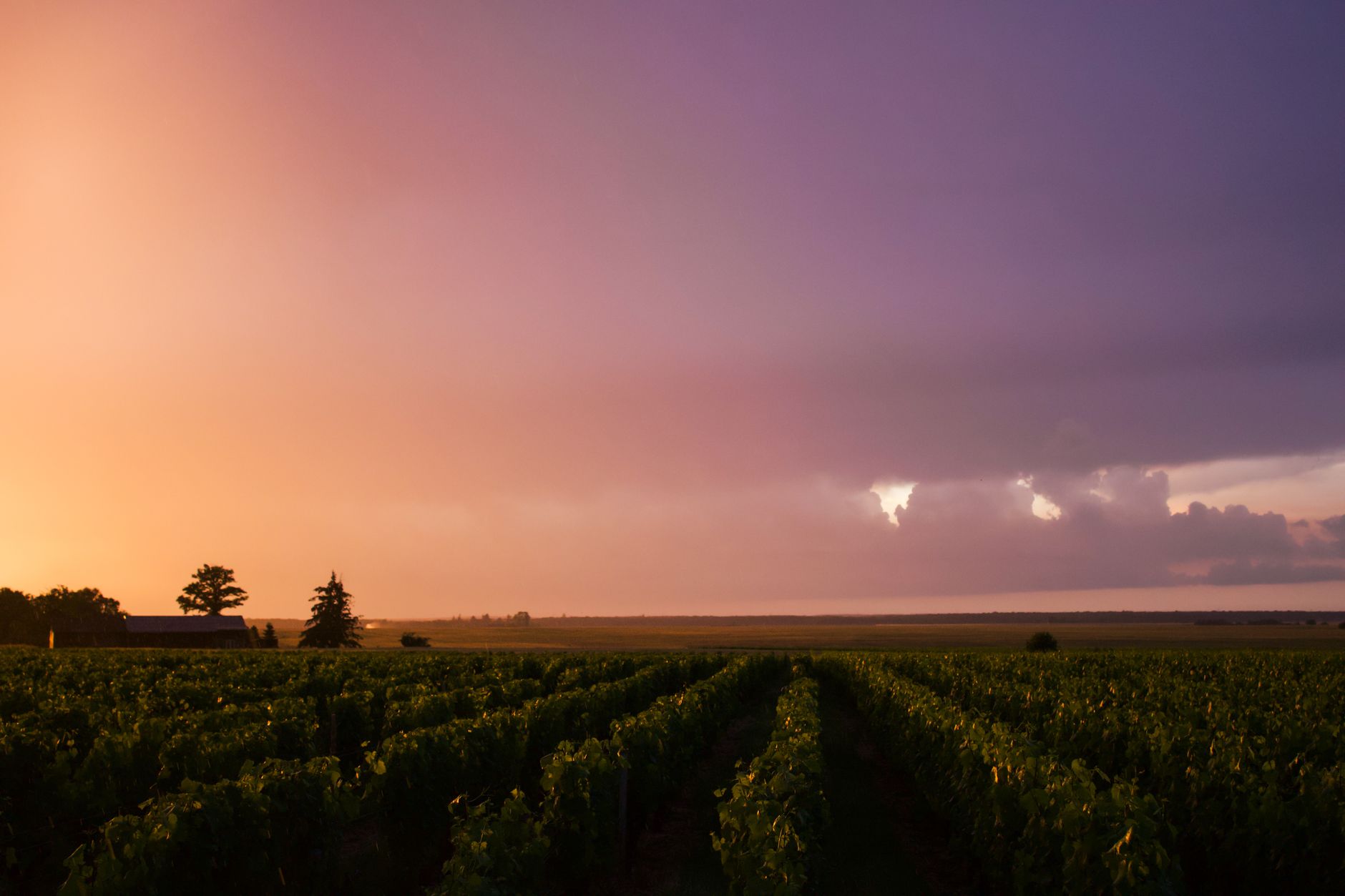
What is happening with Blood and Wine’s revival is less about a game and more about a specific kind of goodbye that players are choosing to take on their own terms, before CD Projekt Red dictates the terms for them. Geralt’s vineyard, the syrah fields at sunset, the final card that flips in the end screen – players are sitting with those images deliberately, storing them, because once The Witcher 4 arrives and becomes the new reference point for this world, that particular version of it closes for good.