




When Silence Speaks Louder Than a Sequel
Capcom has said nothing about Okami for years. No remaster, no sequel announcement, no anniversary celebration beyond the occasional social media post. That silence, rather than killing interest in the franchise, has done something stranger – it has pushed a growing number of fans toward Okamiden, the 2010 Nintendo DS spinoff that most people barely acknowledged when it launched. Online communities dedicated to the original Okami have started treating Okamiden not as a footnote but as the only new Okami content worth discussing, simply because nothing else exists.
There is a pattern here that keeps repeating across the industry. When a publisher goes quiet on a beloved franchise, fans do not move on. They dig deeper into whatever catalog exists. Okamiden was critically appreciated but commercially modest at launch, overshadowed by its own platform limitations and the long shadow cast by the PS2 original. Now, fourteen years later, it is getting a second look from players who have exhausted everything the main game has to offer and are hungry for anything carrying that distinct brushstroke aesthetic and Shinto-inspired world.

Why Okamiden Got Overlooked the First Time
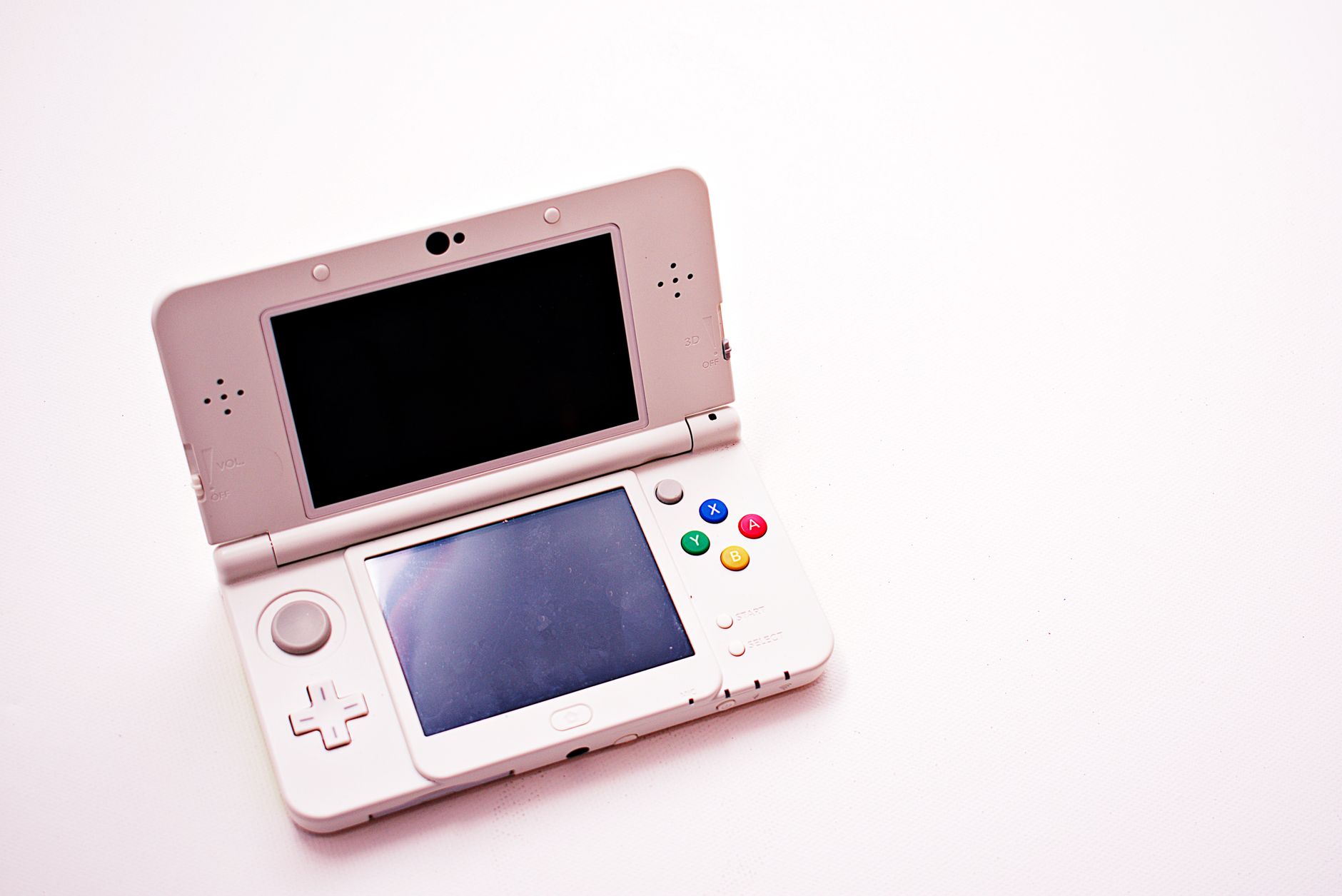
Okamiden arrived at a difficult moment. The DS was entering its twilight period, with the 3DS already on the horizon, and a handheld spinoff felt like a consolation prize to fans who had hoped for a full console sequel. The game starred Chibiterasu, Amaterasu’s son, a smaller wolf deity with a similar Celestial Brush mechanic but a tether system that added a partner character to most puzzles. The reception was warm but not enthusiastic – reviewers appreciated the ambition while noting that the DS hardware could not fully replicate the visual scale that made Okami feel mythic.
The tether mechanic, which many reviewers described as occasionally clunky in 2010, is now being reframed by players discovering it fresh. Rather than a limitation, communities are treating it as a design choice that adds emotional weight – the idea that Chibiterasu literally cannot go anywhere without pulling someone along. Whether that reading is generous or accurate depends on the player, but the point is that critical distance has given Okamiden room to breathe outside of its original context. A game that launched next to its own predecessor’s legacy is now being evaluated on its own terms.
The Franchise Vacuum Capcom Has Created
Capcom’s strategy with Okami since the 2017 HD remaster has been essentially passive. The remaster sold well enough to generate headlines about the franchise returning to health, but no follow-up was announced. Each year without news adds pressure to an already devoted fanbase, and that pressure finds an outlet somewhere. Right now, that outlet is Okamiden discourse.
Social media threads analyzing Okamiden’s story connections to the original have multiplied across Reddit, Twitter, and dedicated fan forums. Players are mapping out how Chibiterasu’s journey fits into the larger Okami mythology, writing long posts about plot threads that never got resolved, and asking whether a proper sequel would even need to acknowledge Okamiden or could simply build from it. These conversations would likely not exist at this volume if Capcom had announced anything concrete about the franchise’s direction.
This is not unique to Okami. Ubisoft’s extended silence on Far Cry 7 has pushed players back toward Blood Dragon in a similar way – older, less central entries in a franchise become cultural touchstones when the primary series stalls. The mechanism is the same: when fans cannot move forward, they move sideways through the catalog and discover things they missed.
What makes Okamiden’s revival particularly interesting is that the game is not easy to access in 2024. It never received a remaster or a Virtual Console release on modern hardware. Playing it means tracking down a physical DS cartridge or using emulation, and yet players are doing exactly that. The friction involved in obtaining the game has not reduced interest – if anything, it has added to the mythology around it. Something you have to work to find feels more worth discussing than something available on every storefront.
What Fans Actually Want From a Sequel
The renewed attention on Okamiden has sharpened the fan conversation around what a true Okami sequel would need to accomplish. The consensus forming across forums is that any follow-up cannot simply be Okami reskinned with modern graphics. The Celestial Brush mechanic would need rethinking for touchscreen or motion control inputs, the world-building would need to draw from Japanese mythology in ways the first game only gestured toward, and the tonal balance between comedy and genuine pathos would have to be maintained precisely.
Okamiden’s contribution to that conversation is being reassessed. Players who hated the partner characters in 2010 are now describing them as proof that Okami’s world supports emotional storytelling beyond what the original explored. Chibiterasu’s relationships with his partners gave the game a different register than Amaterasu’s more solitary heroics, and fans are arguing that a sequel could use that approach as a model rather than returning to a single protagonist journey.
Where Capcom Goes From Here
Capcom has demonstrated recently that it can resurrect dormant franchises with strong commercial results. The pattern across its catalog suggests that the company waits for the right internal alignment and market conditions rather than chasing nostalgia on a schedule. Okami may be in that holding pattern now, with the HD remaster serving as a test that passed well enough to keep the door open without forcing an immediate decision.
The danger in waiting too long is that fan energy is not infinite. The current Okamiden revival is keeping the community active, but it is also a symptom of frustration. Players are engaging with a DS handheld spinoff from 2010 because that is the only new territory left to explore within the franchise. That is creative engagement, but it is also a signal that the audience is running out of runway within the existing catalog.
Okamiden ends on a note that is openly structured as a bridge – Chibiterasu’s story concludes in a way that sets up a larger conflict never followed through on. Fourteen years later, that unresolved ending sits at the center of every fan theory about what comes next, and Capcom has still not touched it.