



When Publisher Silence Becomes the Loudest Signal
Bandai Namco has said nothing about Sword Art Online: Hollow Realization in a long time. No remaster announcement, no sequel tease, no legacy collection, no backward compatibility update. The game, released in 2016 for PlayStation 4 and later ported to PC, sits in a strange limbo – technically still purchasable on Steam, officially ignored by its publisher. And for a certain pocket of the gaming community, that silence has become motivation rather than discouragement.
Speedrun activity around Hollow Realization has been quietly ticking upward on platforms like Speedrun.com, with players revisiting the game’s systems, hunting optimizations, and submitting times in categories that had been dormant for years.
The pattern is consistent with what happens when a niche game stops receiving official attention: its most dedicated players effectively take ownership of the experience, and the competitive infrastructure around it starts to solidify rather than collapse.
What Hollow Realization Actually Offers Runners
Hollow Realization is not a simple game to run. Built around an expansive MMORPG-style structure within a single-player framework, it features a main story that can stretch well past 30 hours for a first playthrough. The speedrunning community has carved that down dramatically through a combination of menu manipulation, AI behavior exploitation, and deliberate skipping of side content that the game’s progression technically allows. The result is a run that rewards deep mechanical knowledge over raw reflexes – which attracts a different kind of runner than a platformer or action game would.
The game’s combat system, built around real-time party management and skill chaining, creates interesting optimization problems. Runners need to understand not just their own character’s output, but how to position and command AI companions to avoid time-wasting death sequences. Boss fights that seem chaotic on a first playthrough become predictable and exploitable once a runner understands the attack cycle triggers. That kind of knowledge takes time to develop, which means the skill ceiling for a Hollow Realization run is genuinely high.
There are also category splits that broaden the appeal. Any% runs focus on getting to credits as fast as possible with any exploit available, while more restrictive categories attract players who want to engage with the game’s systems more honestly. Both categories have seen recent activity, which suggests the community is not just a handful of hardcore optimizers but a slightly wider group of players who find different entry points into competitive play.
Why Publisher Silence Fuels This Specifically
The absence of any official roadmap for the Sword Art Online game catalog creates a specific psychological condition for fans. When Bandai Namco is actively supporting a game – releasing DLC, patching bugs, teasing updates – the community’s attention is forward-looking. They wait. When support goes quiet with no announcement of what comes next, that forward momentum has nowhere to go, so it folds back onto the existing game. Players who might have been waiting for a remaster that never materializes decide to spend that energy on the version that exists right now.
This is not unique to Hollow Realization. Namco’s silence around Splatterhouse has produced nearly identical behavior, with a fanbase returning to a game the publisher has left untouched rather than abandoning it for newer releases. The mechanism is the same: a game with genuine depth and a community with no new official content to absorb redirects its energy inward, toward mastery of what already exists.
The SAO franchise complicates this further because Bandai Namco continues to release new titles under the license. Sword Art Online: Alicization Lycoris arrived in 2020, and the franchise has not gone dark entirely. But the specific Hollow Realization entry – considered by many fans to be among the stronger entries in the game series – has received no backward glance from the publisher. That selective silence around a well-regarded title reads to the community as neglect, and neglect tends to produce loyalty rather than abandonment among the players who remain.
The Leaderboard as a Living Archive
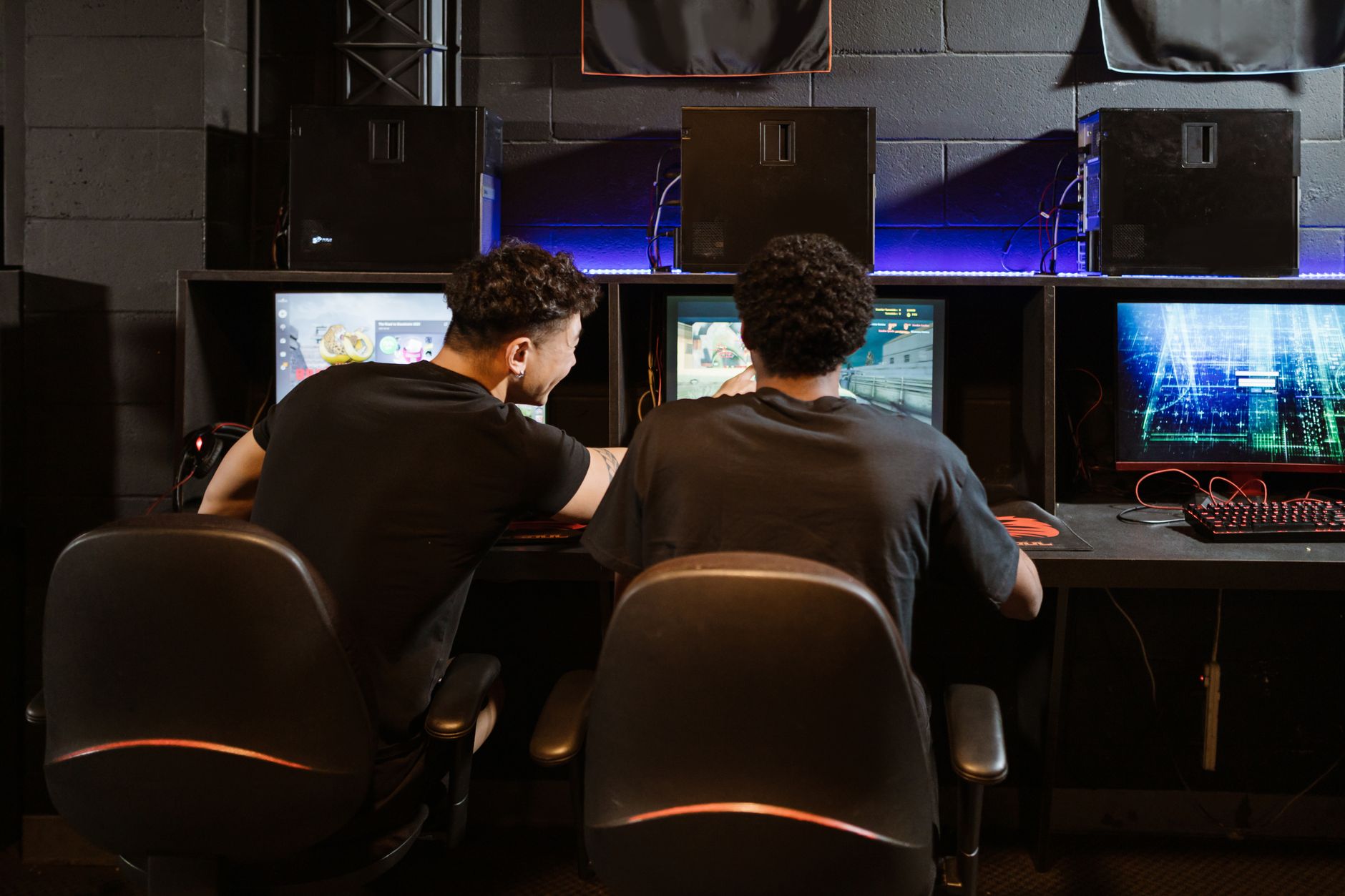
Speedrun leaderboards function as a form of institutional memory for games that publishers have moved past. Every submitted run on Speedrun.com carries a timestamp, a video link, and a documented route – collectively, these submissions create a record of how a game was understood and played at a specific moment. For Hollow Realization, that archive is growing again, which means someone, somewhere, is deciding this game is worth their time at a high level of investment right now.
The question Bandai Namco has not answered is whether any of this community activity factors into future decisions about the catalog. A remaster or re-release of Hollow Realization with modern resolution support and trophy/achievement updates would find a ready audience – the speedrunning community alone proves the appetite exists. But publishers rarely look at leaderboard activity as a commercial signal, which means the game’s most dedicated players may be doing preservation work without knowing it, holding a place in gaming memory for a title that its own publisher has quietly deprioritized.