


Smart contact lenses are quietly revolutionizing healthcare monitoring, moving far beyond the flashy augmented reality concepts that dominated early headlines. While tech giants once promised AR overlays directly onto our eyeballs, the real breakthrough is happening in medical diagnostics – turning our eyes into windows for continuous health surveillance.
The pivot from entertainment to healthcare represents a fundamental shift in how developers approach this intimate technology. Rather than cramming displays and processors into impossibly thin lenses, companies are embedding sensors that can detect biomarkers in tear fluid, monitor eye pressure for glaucoma patients, and track blood glucose levels for diabetics.
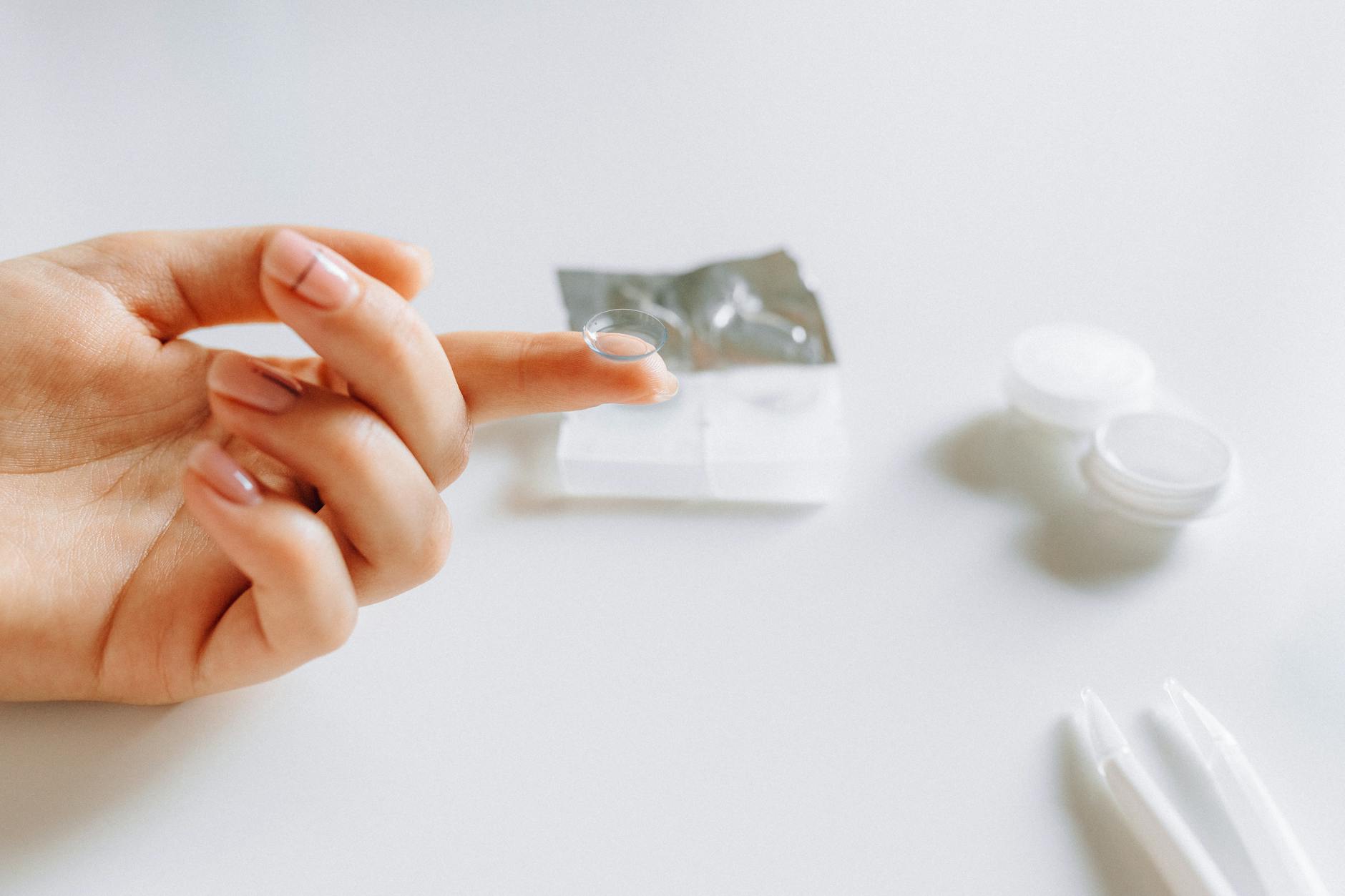
From AR Dreams to Medical Reality
Early smart contact lens prototypes focused on overlaying digital information onto our field of vision. Google’s ambitious Project Aura, launched in 2014, promised to measure glucose levels through tears but was shelved after technical hurdles proved insurmountable. Samsung filed patents for camera-equipped lenses, while startups pitched everything from zoom functionality to translation overlays.
The reality check came hard. Battery life measured in hours, not days. Heat generation risked corneal damage. The processing power needed for meaningful AR required bulky external devices, defeating the purpose of invisible computing. Most critically, regulatory approval for devices touching the eye proved far more complex than anticipated.
Today’s successful smart lenses take a different approach entirely. Rather than cramming a smartphone into a contact lens, they focus on what tear film can uniquely reveal about our health. This biological treasure trove contains proteins, enzymes, and metabolites that mirror blood chemistry – offering a non-invasive window into systemic health.
The Health Monitoring Revolution
Sensimed leads the current generation with its Triggerfish system, already approved in Europe for glaucoma monitoring. The lens contains a microscopic strain gauge that detects minute changes in eye shape throughout the day, providing 24-hour intraocular pressure data that traditional office visits miss entirely.
Novartis partnered with Google on glucose-sensing lenses, though that collaboration ended in 2018. The concept lives on through companies like InWith Corporation, which embeds sensors directly into conventional contact lenses during manufacturing. Their approach promises continuous glucose monitoring without the discomfort of skin patches or finger pricks.
Korean researchers recently demonstrated lenses that detect inflammatory markers associated with dry eye disease, while others are developing sensors for detecting early signs of diabetic retinopathy. The tear film’s composition changes with various conditions, from Alzheimer’s disease to certain cancers, opening possibilities for early detection that seemed impossible just years ago.
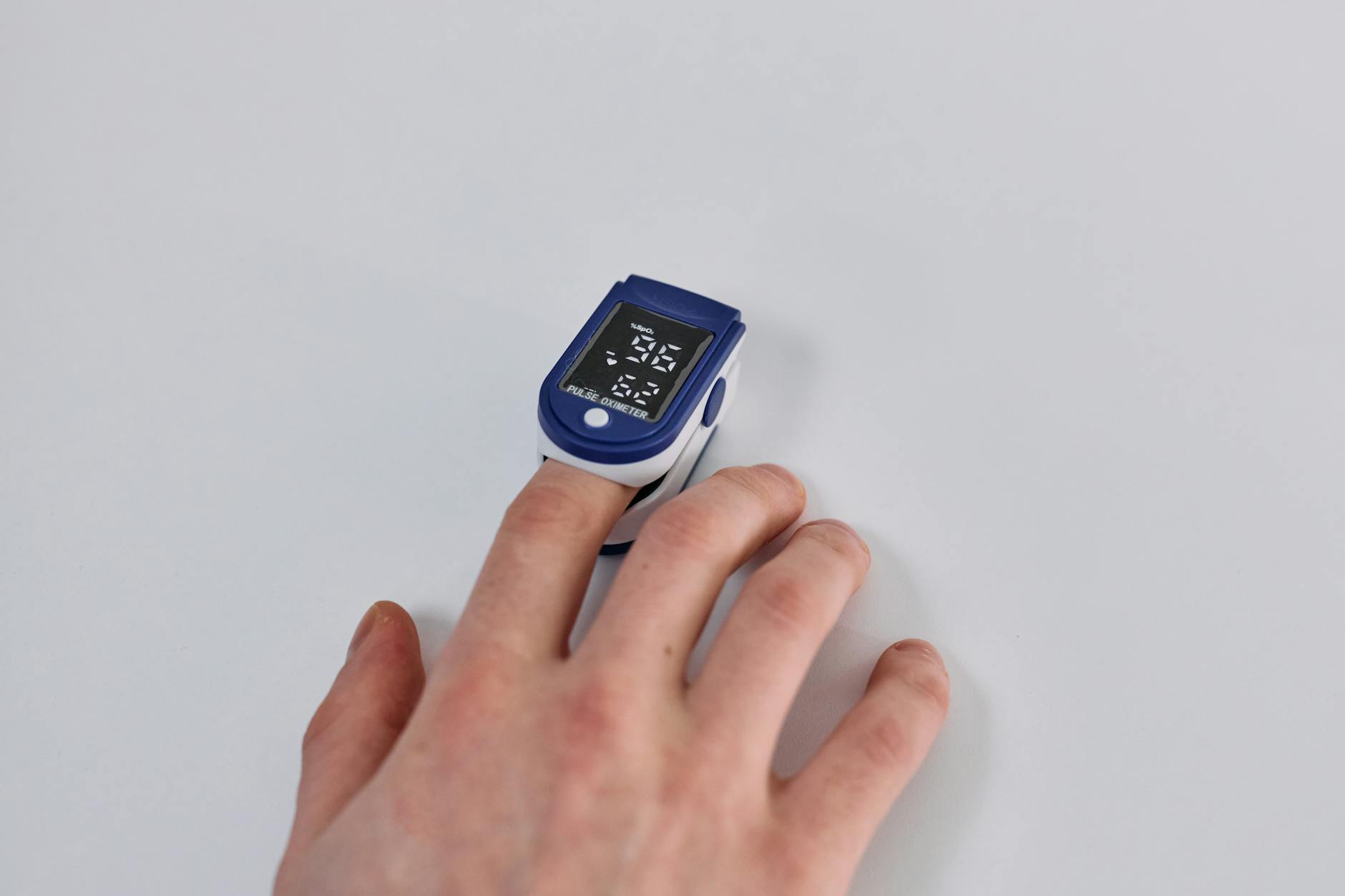
Technical Breakthroughs Enable Practical Applications
Three key innovations make today’s smart lenses feasible. Ultra-low-power sensors now operate for days on energy harvested from blinking or radio waves. Biocompatible materials prevent immune responses that plagued earlier prototypes. Most importantly, wireless data transmission eliminates the need for onboard processing or displays.
Modern lenses pair with smartphone apps that handle the computational heavy lifting. The lens simply collects and transmits raw sensor data, while algorithms on your phone interpret patterns, track trends, and alert users or healthcare providers to concerning changes.
This distributed approach sidesteps the fundamental limitations that killed AR-focused designs. No need for high-resolution displays that drain batteries in minutes. No heat-generating processors pressed against sensitive eye tissue. No complex user interfaces that require perfect lens alignment.
Similar health monitoring innovations are appearing across consumer technology, from smart mirrors that analyze skin conditions to wearables that track increasingly sophisticated biomarkers. The trend toward continuous, passive health monitoring is reshaping how we think about preventive care.
Regulatory Pathways and Market Reality
Unlike consumer electronics, smart contact lenses must navigate medical device regulations that prioritize safety over innovation speed. The FDA classifies these devices based on risk levels, with simple sensors facing less scrutiny than those claiming diagnostic capabilities.
Current successful products focus on monitoring rather than diagnosing. They track changes over time, alerting users to consult healthcare providers rather than replacing professional medical assessment. This approach streamlines regulatory approval while addressing liability concerns that have derailed other digital health ventures.
Manufacturing partnerships with established contact lens companies like Alcon and Johnson & Johnson provide distribution channels and manufacturing expertise that pure tech startups lack. These collaborations combine Silicon Valley innovation with decades of eye care experience and existing relationships with eye care professionals.

The convergence of health technology and everyday wearables suggests smart contact lenses will eventually join the broader ecosystem of connected health devices. Integration with fitness trackers, smartwatches, and home monitoring systems could provide comprehensive health portraits that no single device achieves alone.
Rather than the sci-fi future of AR contact lenses, we’re heading toward an invisible health monitoring network where our eyes become just one sensor in a larger system. The real revolution isn’t what we’ll see through these lenses – it’s what they’ll help us understand about our bodies before symptoms appear.
Frequently Asked Questions
How do smart contact lenses monitor health?
They contain sensors that analyze biomarkers in tear fluid, detecting glucose levels, eye pressure changes, and inflammatory markers.
Are smart contact lenses safe to wear?
Current FDA-approved models prioritize safety with biocompatible materials and low-power sensors, though long-term studies continue.
