




The Skate Market Has Room for Everyone – Until It Doesn’t
When Activision announced Tony Hawk’s Pro Skater 3+4, the skating game community celebrated. But for creā8 Studios’ indie gem Session: Skate Sim, that announcement landed differently – more like a shadow than a spotlight.

What Tony Hawk’s Return Actually Means for the Market
Tony Hawk’s Pro Skater 1+2 remaster, released in 2020, proved there was serious commercial appetite for skateboarding games. It sold well, renewed mainstream interest in the genre, and reminded publishers that skating titles weren’t a niche curiosity. When 3+4 was confirmed, it wasn’t just nostalgia driving the excitement – it was the recognition that Activision had found a formula that worked and was going back to it.
The problem for Session is straightforward. Tony Hawk’s Pro Skater 3+4 is arriving with a recognizable IP, a major publisher behind it, polished production values, and the kind of marketing budget that indie developers simply cannot compete with. For a casual player who enjoyed skating games as a kid and wants to jump back in, the choice between a glossy Activision release and an indie sim with a steeper learning curve is not a difficult one. Session gets passed over before the player even researches what it offers.
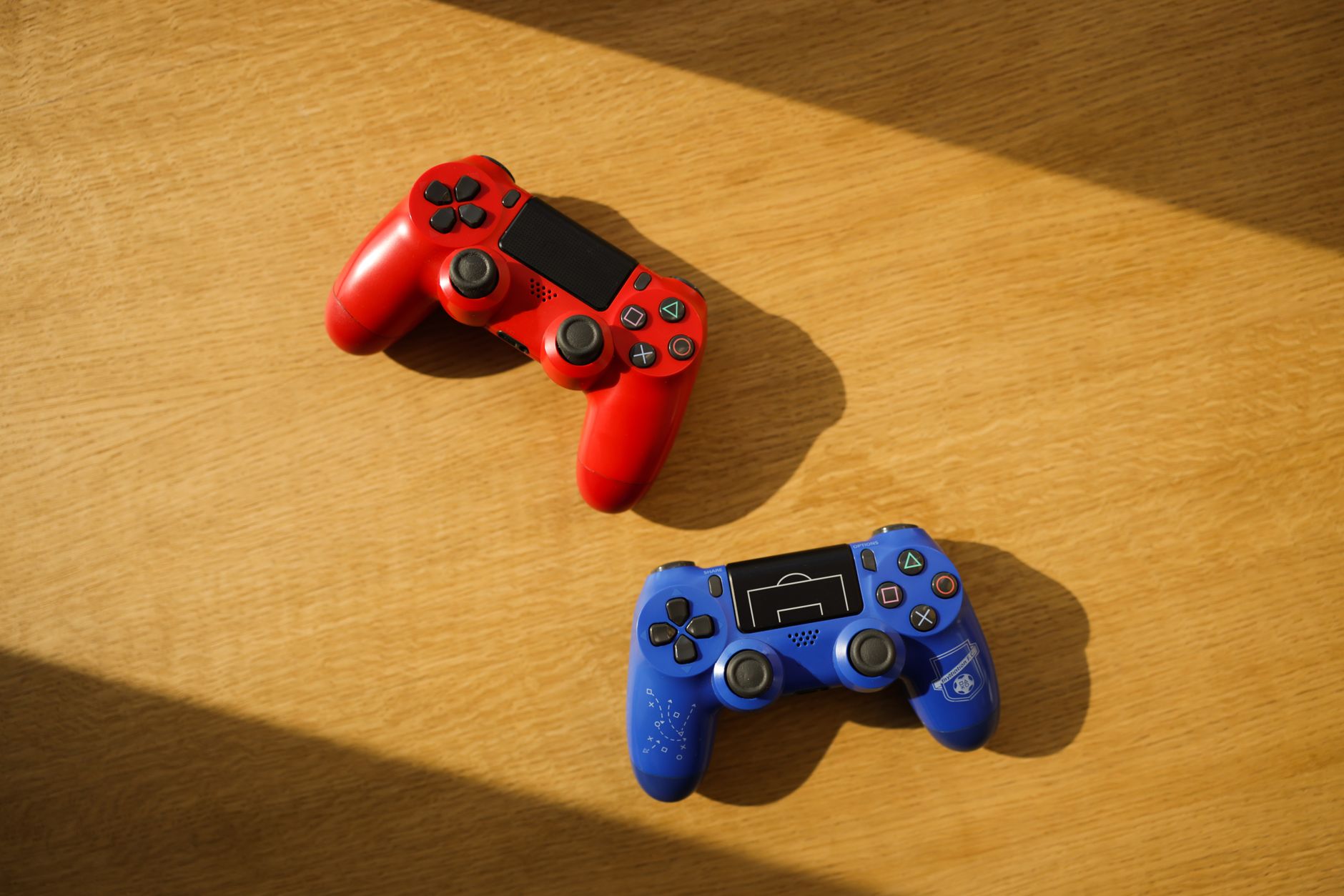
Session is not a bad game. It is, in fact, a thoughtful and ambitious one. creā8 Studios built something with genuine mechanical depth – dual-stick controls that map each foot separately, realistic physics, and a commitment to the culture of street skating that goes beyond aesthetic. The game has built a loyal community precisely because it refuses to simplify. But that loyalty, while real, operates at a scale that can’t absorb the displacement caused by a major-publisher launch in the same genre.
The timing compounds everything. Session officially left Early Access in September 2022 and has been quietly building its player base since. It had carved out a lane as the go-to game for players who wanted simulation over spectacle. Tony Hawk 3+4 doesn’t just compete for new players – it pulls potential converts away from Session before they ever give it a chance, and it pulls returning players back to the arcade style they grew up with, making the sim appeal feel even more niche by comparison.
The Attention Economy and the Indie Squeeze
Gaming attention is finite. Players have limited hours, limited budgets, and an increasingly crowded release calendar to navigate. When a high-profile title drops in a specific genre, smaller games in that same category typically see a measurable dip in new installs, community activity, and content creation. This isn’t a theory – it’s a pattern that plays out across genres every time a dominant franchise re-enters a space it once owned.
Content creation is where the squeeze becomes most visible. Session has a dedicated group of creators on YouTube and Twitch who have been producing tutorials, spot recreations, and full video parts for years. Those creators now face a choice: keep making Session content for a steady but modest audience, or pivot toward Tony Hawk 3+4 coverage where algorithmic momentum and fresh viewer interest will almost certainly deliver better numbers. Some will stay loyal. Many won’t, and the ones who shift take discoverability with them.
This dynamic is not unique to skating games. It mirrors what happened when Borderlands 4 hype began pulling players away from Tiny Tina’s Wonderlands – a spinoff with its own audience and merits, quietly losing oxygen not because of quality, but because the parent franchise reasserted gravity. Genre loyalty rarely survives a flagship release in the same space.
Session’s core community – the players who are in it for the authenticity, the slow-burn progression, and the satisfaction of landing a technical line after dozens of failed attempts – is unlikely to abandon the game entirely. The sim audience and the arcade audience are genuinely different types of players, and Tony Hawk’s design philosophy has never tried to be what Session is. But the overlap at the margins, the players who could have gone either way, is where Session loses the most ground.
There is also the issue of retail shelf space in the metaphorical sense. Gaming storefronts like Steam and console dashboards prioritize new and trending titles. A major Tony Hawk release will dominate skating-related searches, recommended lists, and curated sections for weeks. Session gets buried not because it was removed, but because something louder moved in front of it. The algorithm rewards volume, marketing spend, and review traffic – none of which favor a three-year-old indie title regardless of its quality.
A Niche That May Actually Hold
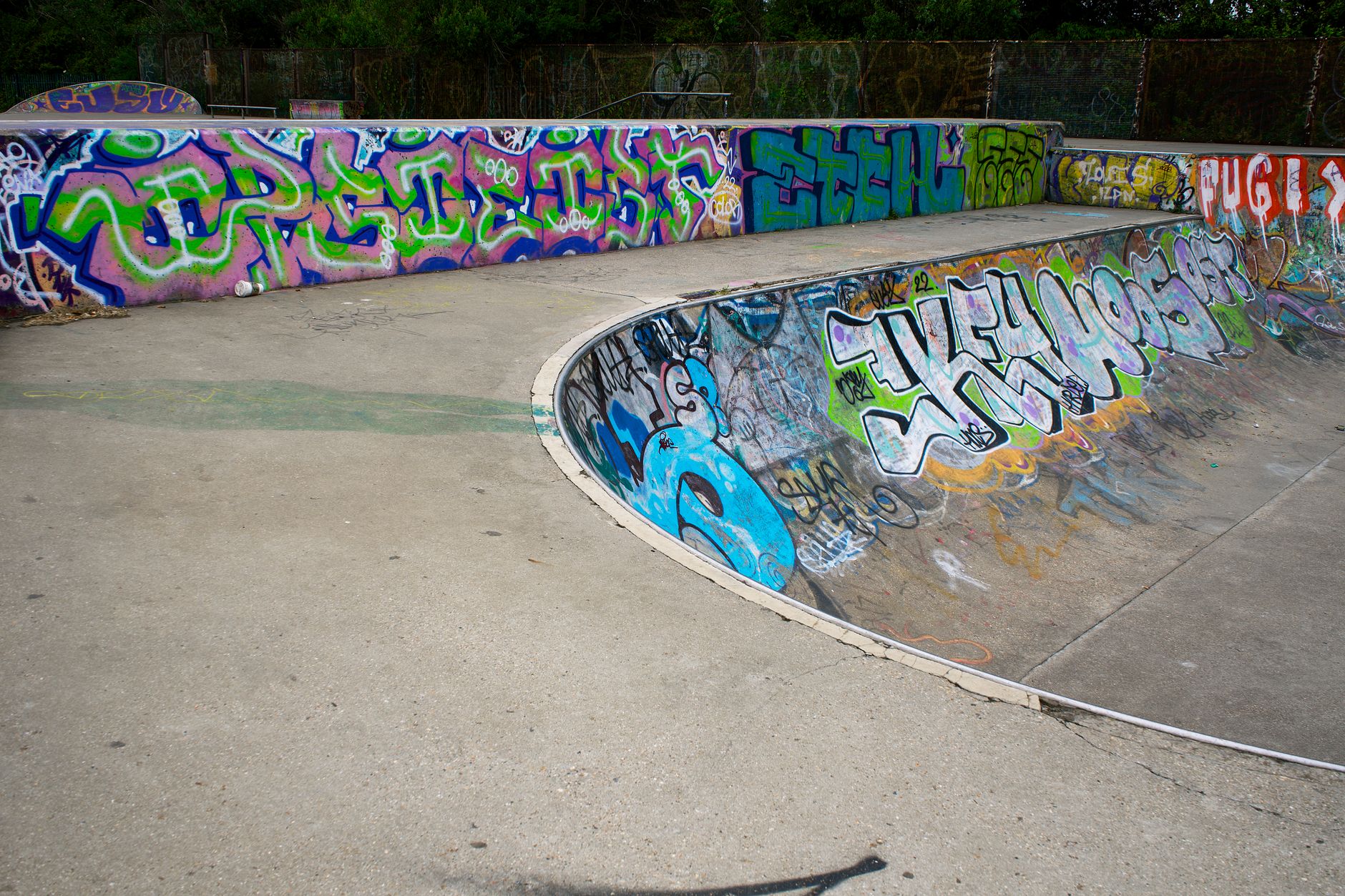
Session’s best argument for survival isn’t that it competes with Tony Hawk – it’s that it doesn’t try to. The game occupies a different end of the skating spectrum entirely, closer in spirit to skateboarding as a personal practice than to a high-score arcade fantasy. Players who come to Session looking for Tony Hawk-style bails and combo chains leave disappointed. Players who come looking for something slower and more considered tend to stay for a long time.
That distinction may be exactly what keeps Session from becoming a casualty rather than a footnote. The question creā8 Studios has to answer now is whether the size of that genuine sim audience is large enough to sustain ongoing development, or whether the momentum Session built heading into 2024 will stall out under the weight of Activision’s return. The studio’s roadmap, its DLC drops, and its ability to keep existing players engaged over the next two quarters will determine whether Session holds its ground – or quietly fades while the bigger game takes the spotlight.