




Guitar Hero has been quiet for almost a decade, and Activision shows no sign of changing that. The silence is doing something unexpected: it’s pushing a whole generation of rhythm game fans toward Clone Hero, a free, fan-made PC game that does everything Guitar Hero did – and then some.
A Franchise Frozen in Time
Guitar Hero Live launched in 2015 to a mixed reception. The six-button controller was a genuine mechanical change from the classic five-fret layout, and the GHTV streaming service gave the game a live-service backbone. Then, in 2018, Activision shut GHTV down entirely, making a significant portion of the game’s song library unplayable. That decision left fans with a disc-based product that had been hollowed out from the inside.
Before Live, Guitar Hero Warriors of Rock (2010) was the last entry in the main series. That’s fifteen years without a proper sequel. Activision still holds the Guitar Hero trademark and has renewed it periodically, which has kept fans watching for any signal of a revival. None has come. The company’s focus has been firmly locked on Call of Duty, and rhythm games don’t fit neatly into the live-service revenue model that dominates its current strategy.
The frustration is compounded by Rock Band’s own dormancy. Harmonix – the studio that originally built Guitar Hero before Activision took over the franchise – sold the Rock Band IP to Savannah-based investor group Ravenscourt in 2023. Since then, Rock Band 4 has continued to receive new downloadable songs at a slow drip, but there’s been no announcement of a Rock Band 5. Both major rhythm game franchises are effectively parked.
That vacuum is exactly what Clone Hero fills. The game has existed in various forms since around 2017, and its core appeal is simple: it plays exactly like the Guitar Hero titles fans grew up with, uses the same controllers, and costs nothing. The chart library – songs mapped by the community – now numbers in the hundreds of thousands.
Why Clone Hero Works Where Activision Hasn’t
Clone Hero runs on practically any PC that can handle a browser. Setup is straightforward: download the client, download a song pack or individual charts from community sites, plug in a Guitar Hero or Rock Band controller via USB, and play. The learning curve for getting started is low enough that tutorials on YouTube routinely pull in millions of views, and some of those videos are from players who had never touched a rhythm game before discovering Clone Hero through those same tutorials.
The chart quality varies, as you’d expect from a community-driven library. A small number of top-tier charters – the people who map songs to button patterns – have developed reputations for accuracy and difficulty calibration that rivals anything Activision produced in its commercial peak. Those community names carry weight in forums and Discord servers in a way that would look foreign to most mainstream gaming coverage, but inside the Clone Hero scene, they’re treated with the same respect as professional developers.
Difficulty scaling is another area where Clone Hero pulls ahead. The official Guitar Hero games offered five tiers, topped by Expert. Clone Hero’s community has built charts rated far beyond that ceiling, with “Expert+” tiers and custom difficulty systems that cater to players who have spent thousands of hours mastering the mechanics. For those players, the commercial games ran out of content years ago. Clone Hero hasn’t.
Song selection is where the gap becomes glaring. The official Guitar Hero library, across all titles, covers a few thousand songs. Clone Hero’s community has charted obscure metal albums, Japanese pop, video game soundtracks, and deep cuts from bands that never made a Guitar Hero setlist. Licensing would have made most of those impossible for Activision anyway. The fan-made nature of Clone Hero bypasses that entire problem, though it operates in a legal gray area that Activision has so far chosen not to challenge publicly.
This pattern – publisher silence pushing fans toward community-made alternatives – shows up across gaming. The Capcom Pragmata situation works differently in that fans are returning to a commercial product rather than a fan-made one, but the dynamic of unmet demand is the same. When a publisher doesn’t feed an audience, that audience finds its own food.
What Activision’s Silence Actually Costs
The longer Activision stays quiet, the more normalized Clone Hero becomes as the default rhythm game experience. Players who started on Clone Hero in 2019 or 2020 have now spent more time with it than they ever did with an official Guitar Hero title. For them, a potential Guitar Hero revival isn’t a nostalgia play – it’s a new franchise competing against something they already have, for free, with more content. That’s a difficult market position for any paid product to enter.
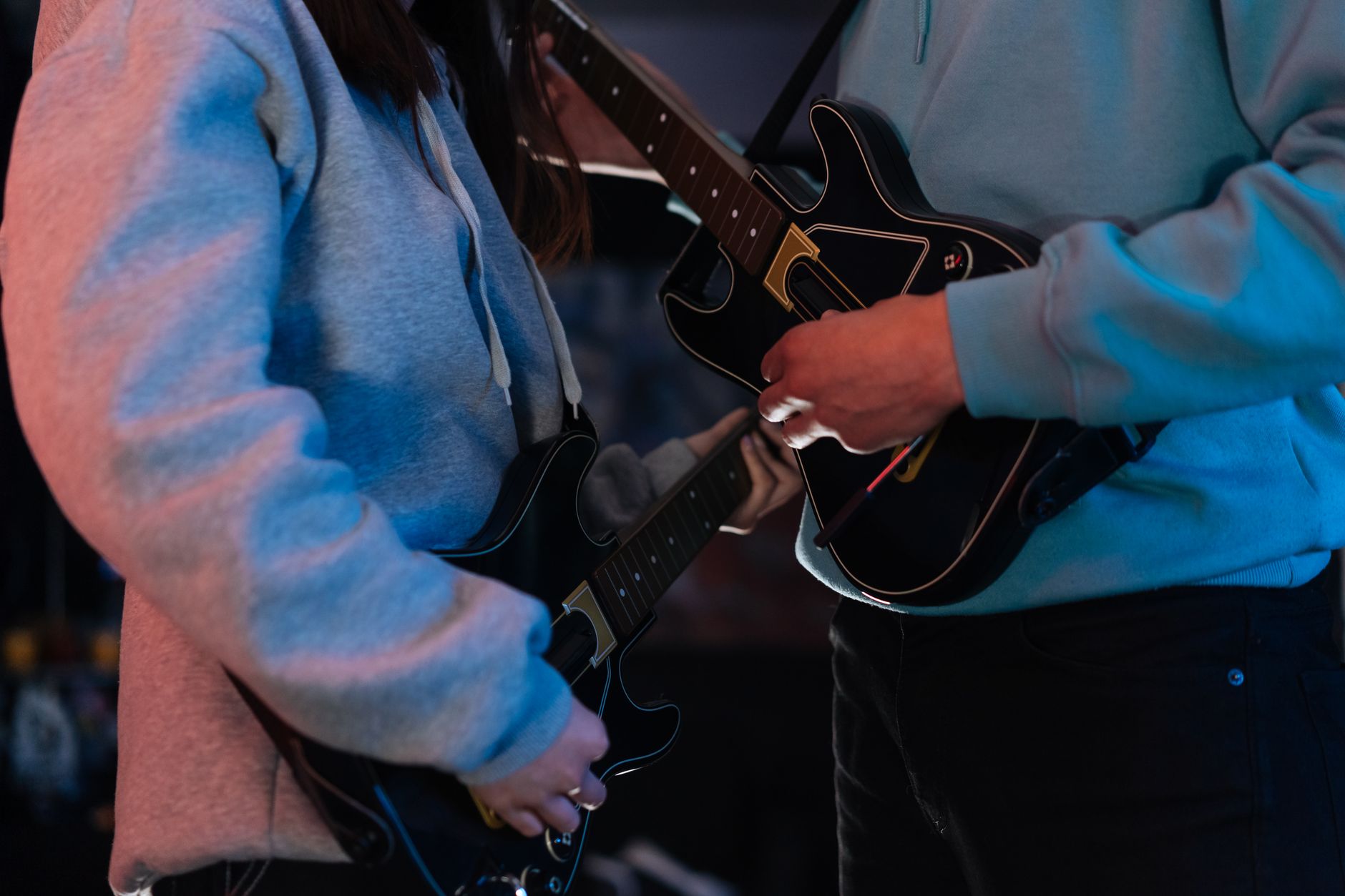
There’s also the hardware dimension. Guitar Hero’s plastic controllers are aging. Strumming mechanisms wear out, whammy bars go stiff, and tilt sensors fail. A small secondary market for refurbished and modded controllers exists, but it’s finite. If Activision ever does announce a new Guitar Hero, it will need to either revive controller manufacturing or convince the existing player base to buy new hardware. Clone Hero players, already invested in keeping their old controllers alive, may be the hardest audience in gaming to upsell.