



The handheld gaming market is experiencing its biggest shift since the Nintendo DS introduced dual screens. While Valve’s Steam Deck proved that PC gaming could work on portable devices, competitors are taking a different approach – one that transforms their handhelds into versatile gaming ecosystems through detachable controllers.
This design philosophy represents more than just copying Nintendo Switch’s success. Companies are recognizing that modern gamers want flexibility, and detachable controllers offer solutions to problems that traditional handheld designs can’t address. The result is a new generation of portable gaming devices that blur the lines between handheld consoles, gaming laptops, and desktop setups.
The Ergonomic Advantage That Steam Deck Can’t Match
Steam Deck’s biggest weakness isn’t its performance or game library – it’s the fact that you’re stuck with its button layout and grip design whether you love it or hate it. The device weighs over 600 grams and forces every user into the same hand position for hours of gameplay.
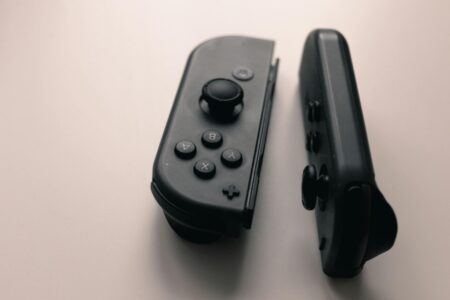
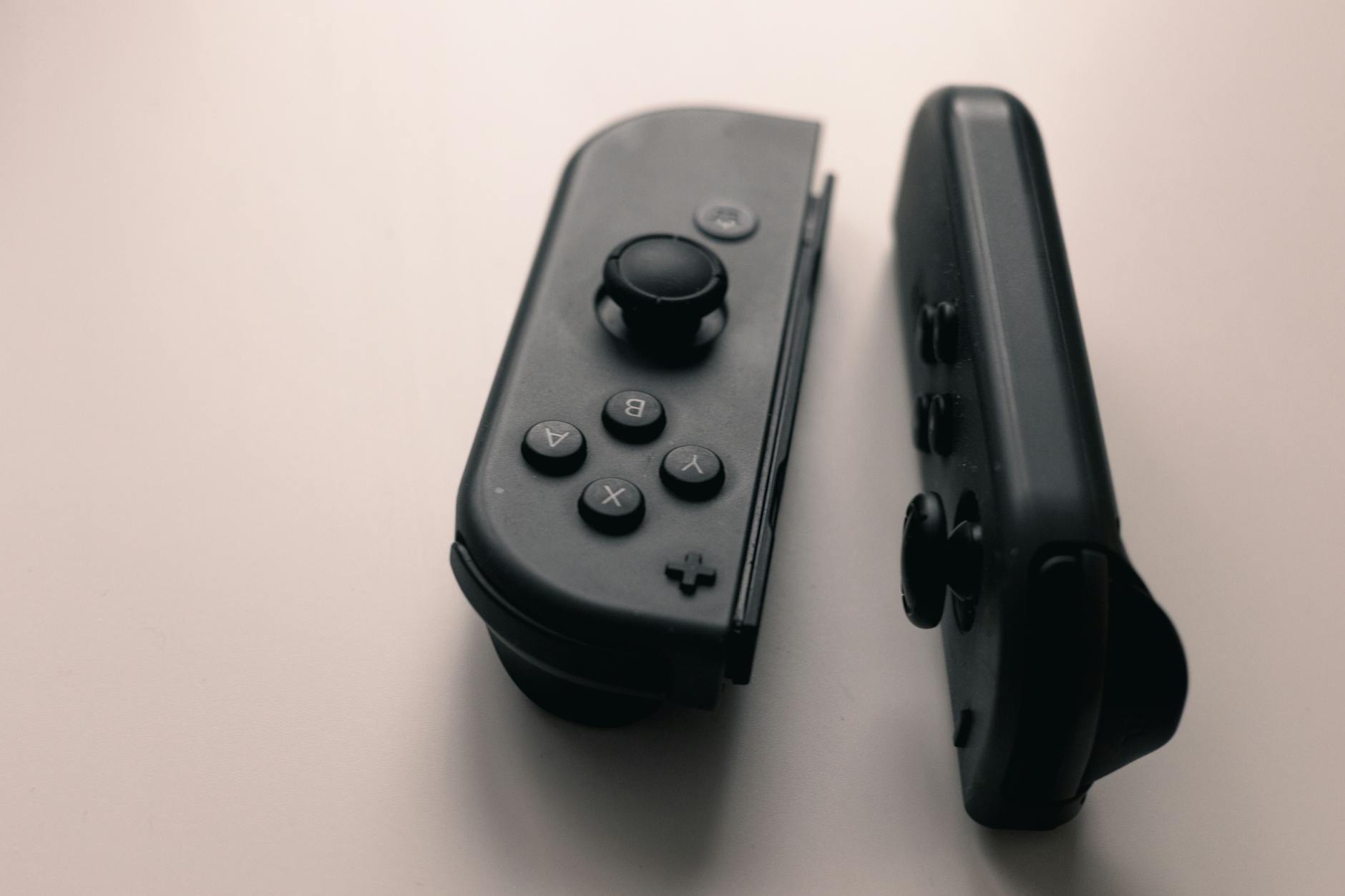
Detachable controller designs solve this fundamental problem. The Logitech G Cloud, despite running Android rather than full PC games, demonstrates how removable controls create multiple comfort zones. Users can detach the controllers for traditional gamepad grip during action games, then reattach them for portable play during commutes.
ASUS is reportedly working on a ROG Ally variant that features detachable Joy-Con style controllers, allowing the main unit to function as a compact Windows tablet when controllers are removed. This addresses complaints from users who found the original ROG Ally too bulky for extended handheld sessions.
The ergonomic benefits extend beyond comfort. Different games demand different control schemes, and detachable designs let manufacturers optimize controller layouts for specific genres. Racing games benefit from wider grips and analog trigger positioning, while puzzle games work better with compact, precise inputs.
Transforming Portables Into Desktop Gaming Stations
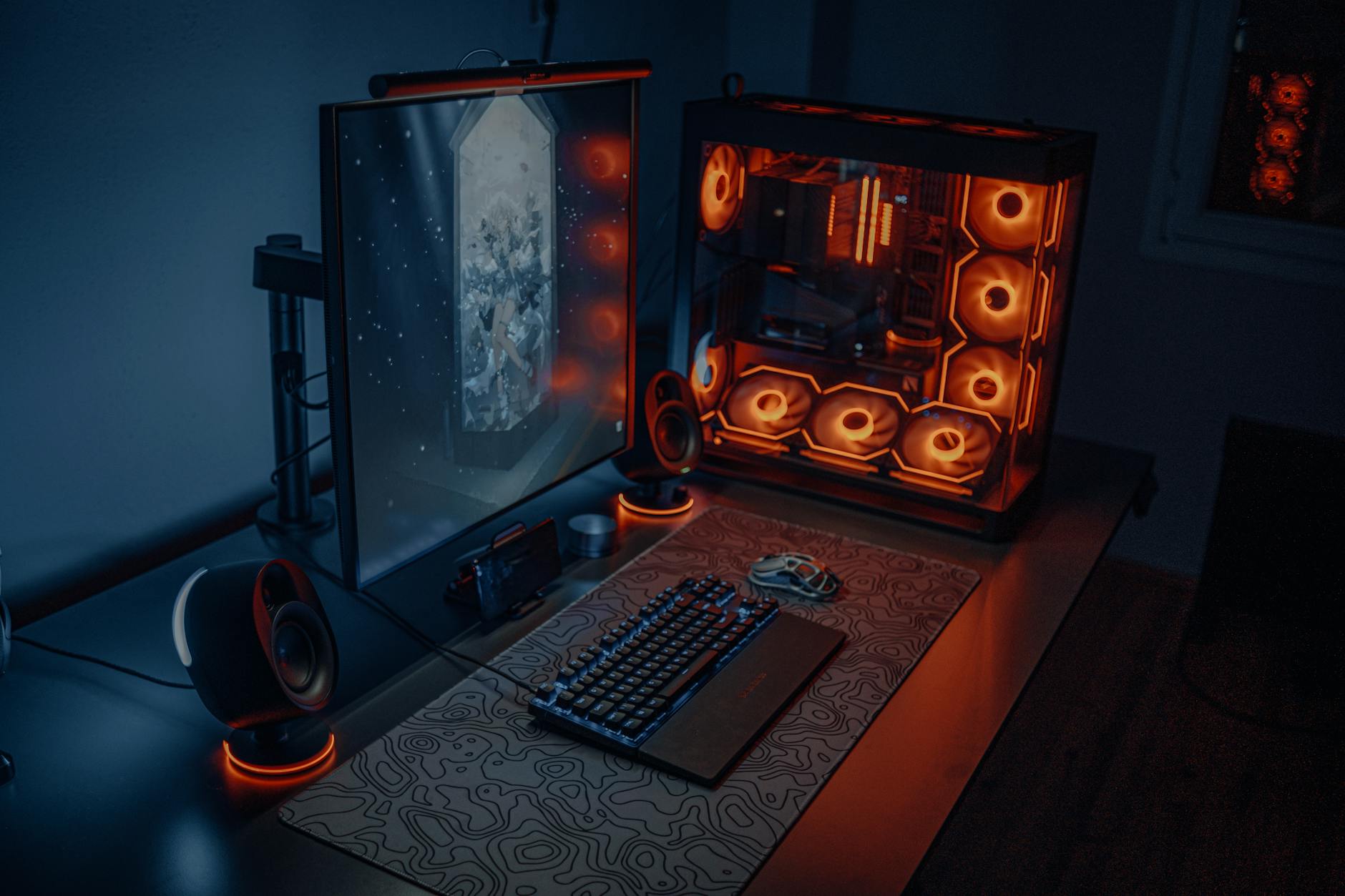
The most compelling advantage of detachable controllers is their ability to transform a handheld device into a full gaming setup. When controllers detach, the main unit becomes a compact computer that can connect to external monitors, keyboards, and other peripherals.
This transformation capability is driving adoption among manufacturers who see the writing on the wall: gamers want devices that work seamlessly across multiple environments. Ayaneo’s upcoming models feature magnetic detachment systems that let users quickly switch between handheld mode and desktop configurations.
The desktop transformation goes beyond just removing controllers. Many upcoming devices are designing detachable controllers with built-in wireless capabilities, allowing them to function as independent controllers for couch gaming. This creates a complete gaming ecosystem from a single device – something Steam Deck’s integrated design simply cannot offer.
Microsoft is reportedly exploring similar concepts for future Xbox handheld devices, particularly following PlayStation Portal’s success in the handheld gaming space. The ability to use detached controllers for Xbox Game Pass streaming while the main unit handles other tasks presents compelling value for users invested in Microsoft’s ecosystem.
Manufacturing Costs and Technical Challenges
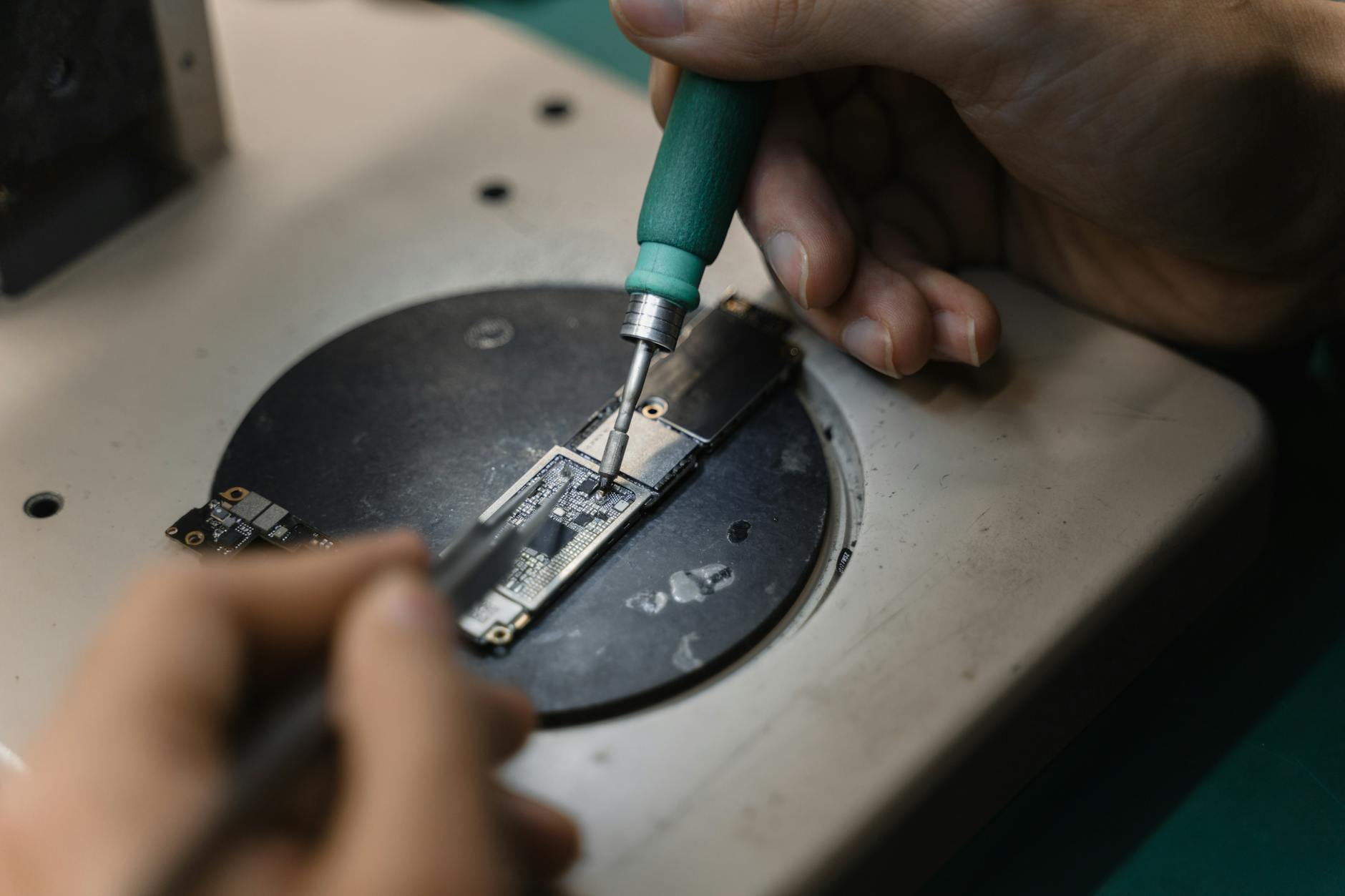
Detachable controller designs aren’t just about user experience – they make economic sense for manufacturers dealing with repair costs and component failures. When controllers are integrated like Steam Deck’s design, a single stick drift issue requires replacing or repairing the entire device.
Detachable systems isolate controller problems to replaceable components. If a user develops stick drift or button issues, they can replace individual controller modules rather than sending the entire device for service. This approach reduces warranty costs and keeps devices in users’ hands longer.
The technical implementation varies significantly between manufacturers. Some use magnetic connections for easy attachment and detachment, while others employ mechanical latches for more secure connections during intense gaming sessions. The challenge lies in maintaining reliable data connections while allowing for repeated attachment cycles.
Battery life becomes more complex with detachable designs. Controllers need their own power sources, which can drain faster than integrated designs. However, this also allows for hot-swapping controllers – users can charge one set while using another, extending overall gaming time beyond what single-unit designs offer.
GPD and other Chinese manufacturers are pioneering modular approaches where different controller types can attach to the same main unit. This modularity lets users choose between traditional gamepad layouts, mechanical keyboard setups for competitive gaming, or specialized controls for flight simulation and racing games.
Market Response and Future Development
The market’s response to detachable controller designs has been overwhelmingly positive, particularly among users who found Steam Deck’s form factor limiting. Pre-orders for devices featuring removable controllers consistently outperform traditional integrated designs, suggesting strong consumer demand for flexibility.
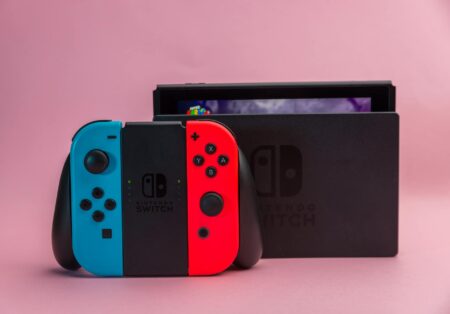
Nintendo’s continued success with the Switch model proves that detachable controllers don’t compromise gaming performance when implemented correctly. The Switch’s Joy-Con system, despite its technical limitations, created a template that PC gaming handhelds are now following with more powerful hardware and better build quality.
Competition is intensifying as more manufacturers recognize that detachable designs offer competitive advantages beyond user convenience. The ability to offer controller upgrades, replacements, and specialized variants creates ongoing revenue opportunities that integrated designs cannot match.
Looking ahead, the next generation of handheld gaming devices will likely feature even more sophisticated detachable systems. Upcoming models are expected to include advanced haptic feedback, adaptive triggers, and modular components that can transform a single device into multiple gaming experiences.
The handheld gaming landscape is evolving rapidly, and detachable controller designs represent more than just a feature – they’re becoming the standard for serious portable gaming devices. As manufacturers continue refining these systems, Steam Deck’s integrated approach may soon look as outdated as smartphones with physical keyboards.
Frequently Asked Questions
Why are detachable controllers better than integrated designs?
They offer better ergonomics, allow desktop transformation, enable easier repairs, and provide modular upgrade options that integrated designs cannot match.
Which handhelds currently feature detachable controllers?
Nintendo Switch popularized the design, while newer PC handhelds from ASUS, Ayaneo, and other manufacturers are implementing similar systems.